

Best Age to Start Voice Lessons and Build Strong Vocal Skills. Discover the ideal age to start voice lessons and build strong vocal skills. Learn tips and strategies for beginners and experienced singers alike.
This guide will help you pick the best age to start. Whether you’re new or experienced, a good teacher and clear goals will improve your skills. With practice and dedication, anyone can get better and enjoy singing.
First-time singers often wonder when to start lessons. It depends on your goals. Starting early helps kids build their voice and confidence. Starting later can use a mature voice and create more career chances. This article explains the benefits of both, tips for all singers, and clears up myths.
Key Insights for Young Voices
| Vocal Milestones | Harmonious Benefits | Top Tune Tips & Programs |
|---|---|---|
| 6–7 years: Foundational skills; focus on play & basic techniques. | Confidence Boost: Overcoming stage fright, self-expression. | Certified Instructors: Seek teachers with credentials. |
| 12–13 (Girls) / 14–15 (Boys): Post-puberty training for vocal maturity. | Coordination & Health: Enhances breath control, lung capacity, and immune function. | Supportive Studios: Prioritize programs with small classes. |
| Emotional Readiness: Patience, discipline, and enthusiasm matter most. | Social Skills: Teamwork through group performances or choirs. | Affordable Options: Explore scholarships (e.g., local arts nonprofits) or online platforms. |
Benefits of Starting Voice Lessons Early
Physical Development
Starting voice lessons early helps kids develop their voice. Early training keeps the voice healthy and prevents damage. For example, a study showed that kids who start before age 10 have fewer vocal problems. Also, early lessons improve breath control and support, which are important for singing.
Musical Foundation
Young singers can build a strong foundation by reading music, understanding rhythm, and training their ear. These skills improve singing and are important for all musicians. For example, reading music helps kids understand songs and play by ear. Also, knowing rhythm helps kids stay on beat, which is important for singing in a band or choir.
Confidence Building
Singing boosts confidence and self-esteem. Starting music early can help for life. A study showed that kids in music programs have better self-esteem and social skills. Also, singing helps kids feel proud of what they achieve.

Music Lessons in San Diego with K&M Music School
Expert Music Lessons
We offer Piano, Violin, Cello, Saxophone, Bassoon, Harp, Voice, and Toddler group lessons for students of all ages and skill levels.
Why Choose Us?
- 🎶 Boosts focus and self-discipline
- 🎵 Strengthens cognitive skills
- 🎼 Enhances cultural understanding
- 🎤 Builds confidence through recitals and performances
We Welcome Adults Too!
Book Your Free Lesson NowBenefits of Starting Voice Lessons Later
Maturity and Focus
Older beginners may progress faster because they are more focused. They understand techniques better and can apply them well. For example, adults can use their work or family experience to stay motivated.
Vocal Maturity
The voice changes a lot during puberty, which helps older singers. Starting later takes advantage of this. For example, a teenager starting lessons during a growth spurt may improve faster. Older singers also have more control over their voice. This helps their technique and reduces problems.
Career Opportunities
Older singers may have more career chances because they can start later in life. They can also combine singing with other jobs, like teaching or acting. For example, an adult starting lessons later may have more time for singing. Older singers have more life experience. This helps them handle challenges in a singing career.

Tips for Beginners Starting Voice Lessons
Find the Right Instructor
Choosing the right voice teacher is important. Look for someone experienced with a good track record. They should give you personal guidance and support. For example, a classical teacher teaches differently than a pop or jazz teacher. Also, a teacher who works with beginners can help you build a strong vocal foundation.
Set Clear Goals
Clear goals help you stay motivated and focused. Whether you want to sing professionally or just for fun, goals keep you on track. For example, if you want to sing in a choir, aim to learn a new song each week. If you want to sing professionally, set a goal to perform at a local venue each month. Also, goals help you measure progress and adjust if needed.
Practice Regularly
Consistent practice is important for improving your voice. Practice regularly, even if it’s short. This helps build muscle memory and develop your voice. For example, practice scales or arpeggios for 15 minutes a day. Also, sing along with recordings to improve your ear training.
Tips for Experienced Singers
Stay Consistent
Experienced singers should practice regularly to keep improving. This can include learning new songs and techniques. For example, a classical singer can try pop or jazz songs to expand their repertoire. Also, taking lessons can help you learn new techniques and improve your voice.
Seek Feedback
Regular feedback helps you improve and progress faster. For example, an experienced singer can ask a teacher for feedback on technique. Also, joining a singing group or choir lets you get feedback from other singers.
Explore Different Genres
Experienced singers can try different music styles to improve their skills. This can include classical, jazz, pop, or musical theater. For example, a classical singer can learn jazz to improve improvisation. Also, exploring musical theater can help with acting and singing.
Common Misconceptions About Voice Lessons
Starting Too Late
Many people think starting voice lessons late is a disadvantage. But that’s not always true. With dedication and the right approach, anyone can improve their voice at any age. For example, a study found that adults who started later made good progress. Many professional singers started later, showing it’s never too late to begin.
Natural Talent
Natural talent isn’t the only key to singing well. Hard work, dedication, and good training can help overcome limitations. Many professional singers worked hard to develop their skills. Also, many singers overcame obstacles, like injury or illness, to reach their goals.
Voice Lessons for Children
Some people think voice lessons are only for kids. But adults can also improve with the right guidance. Many adults who start lessons later make great progress. Many singers started their careers later, proving it’s never too late to begin.
Factors to Consider When Choosing the Best Age to Start Voice Lessons
Personal Goals
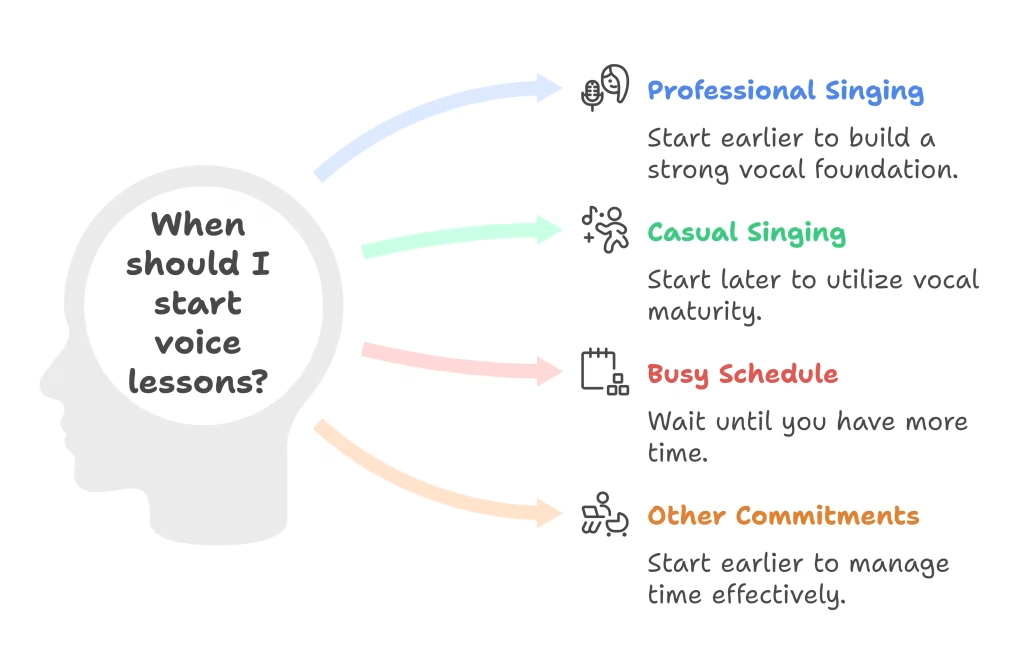
Your goals should decide when to start voice lessons. If you want to sing professionally, start earlier to build a strong foundation. If you want to sing for fun, start later to use your vocal maturity.
Available Resources
Your goals should help you decide when to start lessons. If you want to sing professionally, start earlier. If you want to sing for fun, start later to use your mature voice.
Personal Circumstances
Your schedule and commitments can affect when to start voice lessons. If you’re busy, wait until you have more time. But if you have other commitments, like work or family, start earlier to build a strong foundation.
How to Choose the Right Voice Instructor
Choosing the right voice instructor is crucial for your vocal development. Here are some tips to help you choose the right voice instructor:
Experience and Credentials
Look for an instructor with experience and qualifications. For example, a teacher with a music degree can teach good technique. Also, a teacher who works with beginners can help you build a strong foundation.
Teaching Style
Consider the instructor’s teaching style and if it matches your learning style. Some instructors are more structured, while others are more flexible. Also, some prefer hands-on teaching, while others focus on theory.
Reputation
Research the instructor’s reputation and ask for recommendations. For example, ask friends or family if they know any good teachers. Also, you can ask the instructor for references from other singers or musicians.
Availability
Consider the instructor’s availability and if it fits your schedule. If you’re busy, look for a teacher with flexible hours. If you have other commitments, choose a teacher with convenient times.
Cost
Consider the instructor’s cost and if it fits your budget. If you have a limited budget, look for affordable lessons. If you can spend more, choose a teacher with premium options, like private or group lessons.
How to Set Clear Goals for Your Voice Lessons
Setting clear goals can help you stay motivated and focused in your voice lessons. Here are some tips to help you set clear goals:
Specific
Make your goals specific and measurable. For example, instead of saying “I want to improve,” say “I’ll learn a new song every week.” Also, instead of saying “I want to sing better,” say “I’ll improve my breath control and technique.”
Music Lessons in San Diego with K&M Music School
Expert Music Lessons
We offer Piano, Violin, Cello, Saxophone, Bassoon, Harp, Voice, and Toddler group lessons for students of all ages and skill levels.
Why Choose Us?
- 🎶 Boosts focus and self-discipline
- 🎵 Strengthens cognitive skills
- 🎼 Enhances cultural understanding
- 🎤 Builds confidence through recitals and performances
We Welcome Adults Too!
Book Your Free Lesson NowCall to Action
Ready to unlock your vocal potential? Don’t wait any longer! Whether you’re a beginner or an experienced singer, taking the first step towards voice lessons can transform your singing journey. Find a qualified instructor, set clear goals, and start practicing today. Your voice deserves the best, and with dedication and the right guidance, you can achieve your singing dreams.
Conclusion
Starting voice lessons at any age can be incredibly rewarding. Whether you’re looking to build a strong foundation early on or leverage vocal maturity later in life, the benefits are numerous. With the right instructor, clear goals, and consistent practice, you can develop your vocal skills and enjoy the process. Remember, it’s never too late to start, and with dedication, anyone can improve their singing abilities. So, take the plunge and embark on your vocal journey today!
FAQ
What are the benefits of starting voice lessons early?
Starting voice lessons early helps kids build a strong voice. It also gives them a good musical foundation. also boosts confidence. Early training prevents damage to the vocal cords and keeps the voice healthy.
What are the benefits of starting voice lessons late?
Starting voice lessons later can help with vocal maturity and focus. Older singers have more control over their voice, leading to better technique. This can also lead to more career opportunities and fewer vocal problems.
How can I choose the right voice instructor?
Choosing the right voice instructor is crucial. Look for someone with experience and a proven track record. Consider their teaching style, reputation, availability, and cost. Additionally, research their credentials and ask for recommendations from other singers or musicians.
What are some tips for beginners starting voice lessons?
Beginners should find a good teacher, set clear goals, and practice often. Asking for feedback helps find areas to improve. Trying different genres also helps build more skills.
What are some tips for experienced singers?
Experienced singers should practice regularly, ask for feedback, and try different styles. Learning new songs and techniques helps improve skills. Taking voice lessons can also teach new techniques and improve your voice.
How can I practice voice lessons effectively?
Effective practice means warming up, singing with recordings, and recording yourself. Ask for feedback and practice regularly. Doing vocal exercises for breath control, range, and resonance can improve your technique.
How can I overcome common challenges in voice lessons?
Common challenges in voice lessons include vocal fatigue, injuries, technique, and range. To fix these, take breaks and warm up before singing. Ask for feedback and do vocal exercises often. Also, avoid singing when you’re tired or sick to prevent injuries.
Relevant
Make your goals personal and meaningful. For example, instead of saying “I want to sing better,” say “I want to sing better so I can perform at a local venue.” Also, instead of saying “I want to improve my singing,” say “I want to improve so I can join a singing group or choir.”
Time-bound
Set clear, time-bound goals. For example, instead of saying “I want to improve,” say “I’ll learn a new song each week for six months.” Also, instead of saying “I want to sing better,” say “I’ll improve my breath control and technique by the end of the year.”
How to Practice Voice Lessons Effectively
Effective practice is key to improving your vocal skills. Here are some tips to help you practice voice lessons effectively:
Warm-up
Always warm up before you practice to protect your vocal cords. For example, try singing scales or arpeggios to improve breath control. Also, hum or sing vowels to boost your vocal range and sound.
Sing Along
Sing along with your favorite songs to improve your ear training. For example, try classical, jazz, or pop songs to boost your technique. Also, sing musical theater songs to improve both acting and singing skills.
Record Yourself
Record yourself singing and listen to find areas to improve. For example, listen for mistakes or things to work on. Also, notice any improvements in your technique and musicality.
Seek Feedback
Ask your teacher or friends for feedback to improve. For example, experienced singers can ask their teacher for advice on technique. Also, join a singing group or choir to get feedback from other singers.
Stay Consistent
Practice regularly to build muscle memory and improve your voice. For example, sing scales or arpeggios for 15 minutes each day. Also, practice singing along with your favorite songs to improve your ear training.