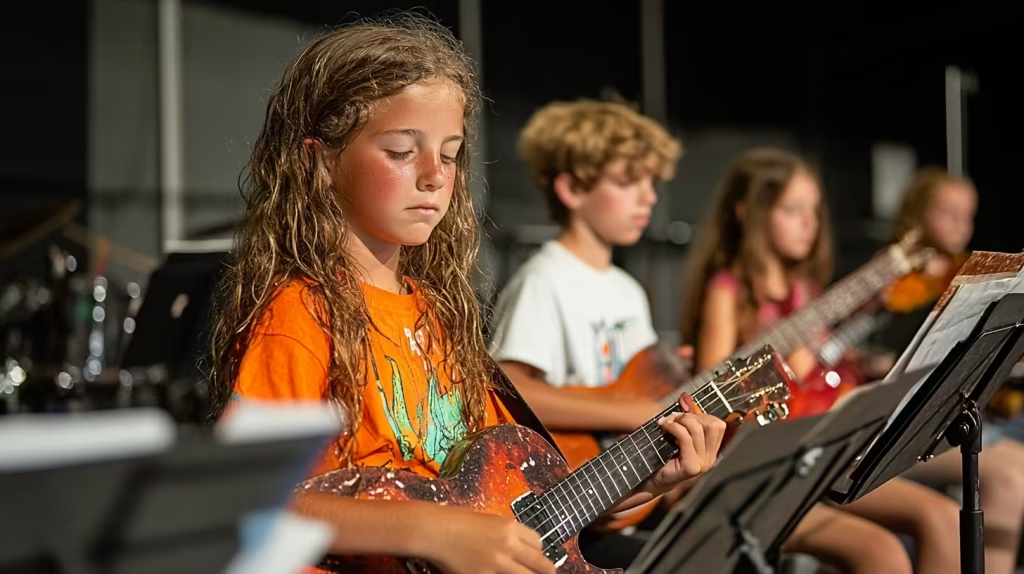
Explore and Learn New Instruments at Music Summer Camp. Discover the benefits, types of camps, and how to choose the right one for your child. Don’t miss out on this fun and engaging summer experience!
Music camps help kids learn new instruments. They are a fun way to explore music. This guide explains what to expect, the benefits, and how to choose the right camp.
| Skill Development | Personal Growth | Trusted Brands |
|---|---|---|
| Personalized lessons and effective practice techniques. | Develop unique style and build confidence through performances. | Yamaha, D’Addario |
| Master basics and refine technique. | Explore diverse musical styles and overcome challenges. | Carl Fischer, Thomastik-Infeld |
| Set goals and track progress. | Experiment with new techniques and build resilience. | Pirastro |
What is a Music Summer Camp?
Music camps help kids learn new instruments. They happen in the summer and include lessons, performances, and activities. The goal is to teach kids different instruments and improve their skills.
Types of Music Summer Camps
Music summer camps come in different formats to suit various needs and preferences. Here are some types you might encounter:
- Residential Camps: These camps provide accommodation for campers, offering a full immersion experience. They are ideal for children who want to focus solely on music.
- Day camps are great for kids who want to balance music with other activities. They offer lessons and activities during the day.
- Online camps are becoming popular with technology. They offer live lessons and activities through video calls.
- Specialty camps focus on genres or instruments, like rock, jazz, or orchestral music. They provide a more focused learning experience.

Music Lessons in San Diego with K&M Music School
Expert Music Lessons
We offer Piano, Violin, Cello, Saxophone, Bassoon, Harp, Voice, and Toddler group lessons for students of all ages and skill levels.
Why Choose Us?
- 🎶 Boosts focus and self-discipline
- 🎵 Strengthens cognitive skills
- 🎼 Enhances cultural understanding
- 🎤 Builds confidence through recitals and performances
We Welcome Adults Too!
Book Your Free Lesson NowBenefits of Learning New Instruments at Music Summer Camp
Learning new instruments at a music summer camp has numerous benefits. It helps children develop important skills such as discipline, creativity, and teamwork. Additionally, it can boost their confidence and provide a sense of accomplishment. Moreover, learning an instrument can enhance cognitive abilities and improve academic performance.
Skills Developed
- Discipline: Regular practice and structured lessons help children develop discipline.
- Creativity: Exploring different instruments fosters creativity and self-expression.
- Teamwork: Group activities and performances encourage teamwork and collaboration.
- Confidence: Achieving milestones and performing in front of others boosts confidence.
- Cognitive Abilities: Learning an instrument enhances cognitive skills like memory and focus.
- Music education can help improve grades in math and reading. It boosts skills that are useful in other subjects.
Personal Growth
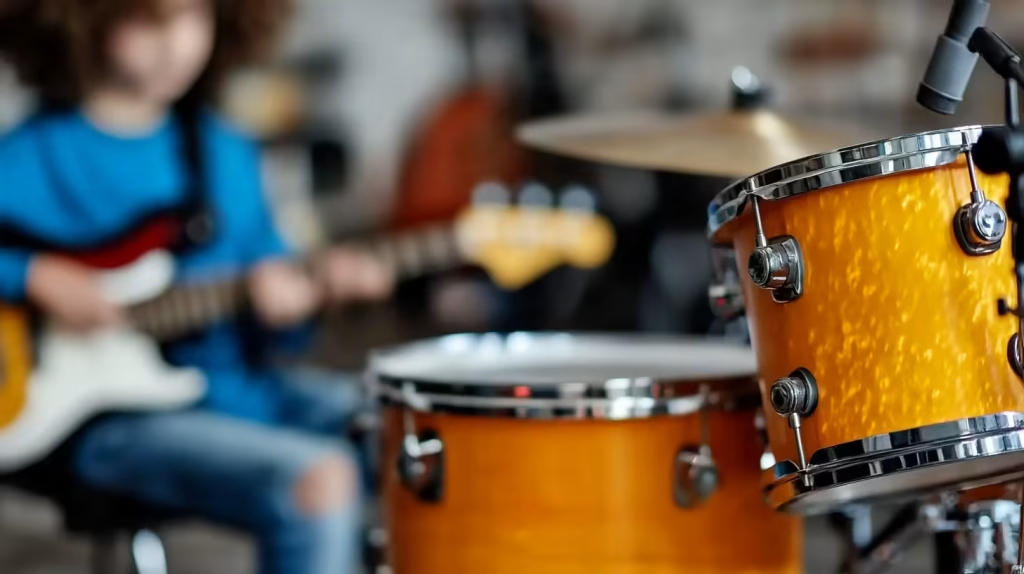
Learning an instrument at music camp helps personal growth. It teaches kids to set goals, work hard, and celebrate success. It also builds resilience and patience, as practice is needed to improve.
Social Benefits
Music camps help kids make friends and socialize. They meet others who love music too. These camps also offer a supportive community where kids can learn and grow together.
How to Choose the Right Music Summer Camp
Choosing the right music camp is important for a good experience. Look at the camp’s reputation, teacher qualifications, and the instruments they offer. Check if the camp is supportive and welcoming. Also, find camps with small classes and personal attention.
Factors to Consider
- Reputation: Research the camp’s reputation and read reviews from past participants.
- Instructor Qualifications: Ensure instructors are certified and have experience teaching children.
- Variety of Instruments: Check if the camp offers a wide range of instruments to explore.
- Environment: Look for a supportive and inclusive environment that values diversity.
- Class Size: Opt for camps with small class sizes for personalized attention.
- Location: Consider the camp’s location and proximity to your home or work.
- Cost: Compare the cost of different camps and consider your budget.
- Schedule: Ensure the camp’s schedule fits your child’s availability and needs.

Questions to Ask
When visiting a music summer camp, ask these questions to ensure it’s the right fit for your child:
- What instruments are offered, and how are they taught?
- What is the teacher-to-student ratio?
- What is the camp’s philosophy and approach to teaching music?
- What activities and performances are included in the camp?
- What is the camp’s policy on accommodations and special needs?
- How does the camp handle discipline and behavior management?
- What is the camp’s cancellation policy, and what happens if my child needs to withdraw?
Instruments to Explore at Music Summer Camp
Music camps offer many instruments. Popular ones are guitar, piano, drums, and violin. These are good for beginners and fun to learn. Some camps also have harder instruments like saxophone or trumpet for experienced players.
Popular Instruments
- Guitar: A versatile instrument that can be played acoustically or electrically.
- Piano: A classic instrument that teaches keyboard skills and music theory.
- Drums: A rhythmic instrument that develops coordination and timing.
- Violin: A string instrument that requires precision and technique.
- Saxophone: A woodwind instrument that offers a unique sound and challenges.
- Trumpet: A brass instrument that develops breath control and tone.
- Flute: A woodwind instrument that teaches breath control and fingering.
- Cello: A string instrument that requires strength and technique.
Instrument Categories
Instruments can be categorized based on their type and sound. Here’s a breakdown:
- String Instruments: Violins, cellos, and basses produce sound by vibrating strings.
- Wind Instruments: Flutes, saxophones, and clarinets produce sound by vibrating air columns.
- Brass instruments, like trumpets and trombones, make sound by buzzing your lips on the mouthpiece. This buzzing creates the sound.. This buzzing creates the sound you hear.
- Percussion instruments, like drums and cymbals, make sound by hitting, shaking, or scraping. Keyboard instruments, like pianos and synthesizers, make sound by pressing keys. These keys use hammers or electronic circuits.
Instrument Selection
Choosing the right instrument depends on your child’s interests, preferences, and goals. Here are some tips to help your child find the perfect instrument:
- Encourage your child to listen to different instruments and music styles. This helps them find what they like. If possible, let them try different instruments to see which one feels right.
- Talk to your child about their interests and goals. This helps them make a smart decision.
- Experts: Consult with music teachers or camp instructors for guidance on instrument selection.
What to Expect at a Music Summer Camp
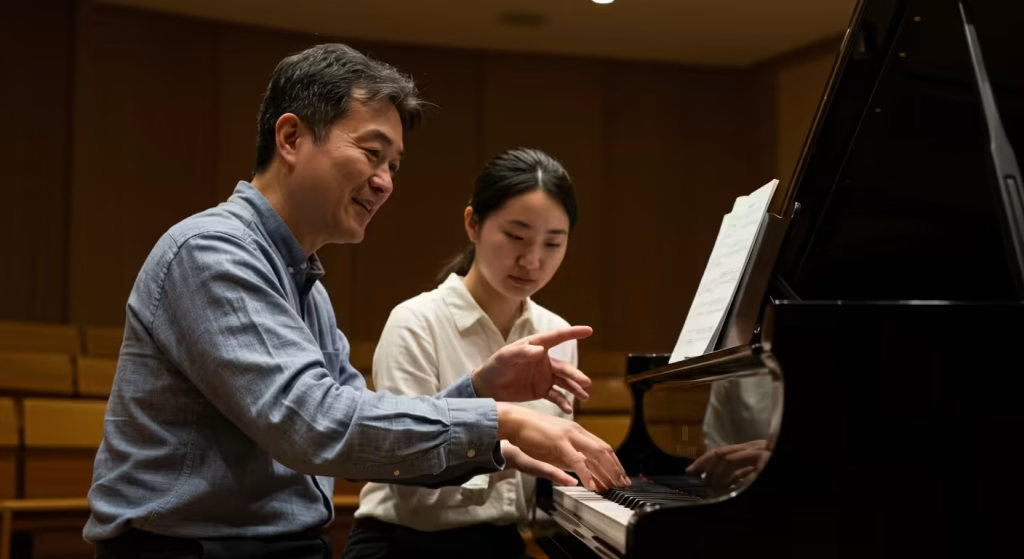
Attending music camp is exciting. Campers have daily lessons, group activities, and performances. These activities help kids improve their musical skills and build confidence. Camps also include field trips and special events to make learning even better.
Daily Activities
- Lessons: Daily lessons with certified instructors to learn and practice instruments.
- Group Activities: Collaborative activities that encourage teamwork and creativity.
- Performances: Opportunities to perform in front of others and build confidence.
- Field Trips: Excursions to musical venues, concerts, and cultural events.
- Special Events: Unique activities like instrument petting zoos, music workshops, and more.
Sample Daily Schedule
Here’s an example of what a typical day at a music summer camp might look like:
| Time | Activity |
|---|---|
| 8:00 AM | Breakfast and arrival |
| 8:30 AM | Instrument lesson |
| 9:30 AM | Group activity |
| 10:30 AM | Break |
| 11:00 AM | Instrument lesson |
| 12:00 PM | Lunch |
| 1:00 PM | Performance preparation |
| 2:00 PM | Performance |
| 3:00 PM | Free time |
| 4:00 PM | Instrument lesson |
| 5:00 PM | Dinner |
| 6:00 PM | Special event or workshop |
What to Pack
Before your child starts a music summer camp, make sure they have the right supplies. Here’s a list of essential items to pack:
- Instrument: Ensure your child’s instrument is in good working condition.
- Music Stand: A portable music stand to hold sheet music.
- Music Folder: A folder to organize sheet music and other materials.
- Pencil and Eraser: For taking notes and correcting mistakes.
- Snacks: Non-perishable snacks for breaks and lunches.
- Water Bottle: Stay hydrated throughout the day.
- Change of Clothes: In case of spills or accidents.
- Comfortable Shoes: For walking and playing instruments.
- Sun Protection: Sunscreen, hat, and sunglasses for outdoor activities.
- Entertainment includes books, games, or other activities. These keep your child busy during free time.

Tips for Parents
Parents play a big role in supporting their child’s music journey. Encourage practice and attending camp activities. Praise their efforts and give positive feedback. You could also sign them up for different camps to try new instruments and styles.
Parenting Tips
- Encourage Practice: Make sure your child practices regularly to improve their skills.
- Attend Activities: Encourage your child to attend all camp activities and performances.
- Provide Support: Offer positive reinforcement and praise their efforts and achievements.
- Consider signing up for multiple camps. This gives your child a wider musical experience.
- Talk to camp instructors if you have any concerns. Keep communication open to stay informed.
- Set a Good Example: Show enthusiasm for music and encourage your child to do the same.
Parent-Child Bonding
Spending time at music camp can bring parents and kids closer. One way to enjoy it is by attending performances. Watch your child perform and celebrate their achievements.
- Practice Together: Spend quality time practicing instruments together.
- Share Stories: Listen to your child’s experiences and share your musical memories.
- Create Memories: Participate in camp activities and create lasting memories together.
- Reflect on Progress: Discuss your child’s progress and set new goals together.
Music Lessons in San Diego with K&M Music School
Expert Music Lessons
We offer Piano, Violin, Cello, Saxophone, Bassoon, Harp, Voice, and Toddler group lessons for students of all ages and skill levels.
Why Choose Us?
- 🎶 Boosts focus and self-discipline
- 🎵 Strengthens cognitive skills
- 🎼 Enhances cultural understanding
- 🎤 Builds confidence through recitals and performances
We Welcome Adults Too!
Book Your Free Lesson NowThe Role of Instructors
Instructors are key at music camp. They teach instruments, create a positive environment, and support camper growth. Here are some qualities to look for in a good instructor:
- Certification: Ensure instructors are certified and have experience teaching children.
- Patience: Instructors should be patient and understanding, especially when teaching beginners.
- Creativity: Instructors should be creative and engaging, making learning fun and enjoyable.
- Communication: Instructors should be good communicators, able to explain concepts clearly and effectively.
- Instructors should be flexible and adapt to different learning styles. They must be able to go at each student’s pace.
- Instructors should be supportive and encouraging. They help campers overcome challenges and build confidence.
Instructor Training
Music camp instructors are trained to be qualified. They may have a degree or certification in music education. Percussion instruments, like drums and cymbals, make sound by hitting, shaking, or scraping.
- Pedagogy: Training in teaching methods and strategies.
- Instrument Specific Training: Specialized training in teaching specific instruments.
- Child Development: Understanding of child development and learning theories.
- First Aid and CPR: Training in first aid and CPR to ensure campers’ safety.
The Importance of Practice
Practice is important for learning an instrument. Regular practice helps improve skills and build muscle memory. It also helps you understand music better. Here are some tips for practicing effectively:
- Consistency: Practice regularly, even if it’s just for a few minutes each day.
- Quality: Focus on quality over quantity. Practice with intent and purpose.
- Variety: Practice different aspects of playing, such as scales, arpeggios, and etudes.
- Record: Record your practice sessions to track progress and identify areas for improvement.
- Feedback: Seek feedback from instructors and peers to refine your playing.
- Fun: Make practice fun and enjoyable to stay motivated.
Practice Routines
Creating a practice routine can help campers stay organized and focused. Here’s an example of a practice routine for a guitarist:
- Warm-up (5 minutes): Start with a few minutes of warm-up exercises to loosen up and prepare your hands.
- Scales (10 minutes): Practice scales to improve finger dexterity and build muscle memory.
- Arpeggios (10 minutes): Work on arpeggios to develop chordal playing skills.
- Etudes (15 minutes): Practice etudes to improve technique and build speed.
- Sight-read new pieces for 10 minutes to improve. Then, review old pieces for 10 minutes to boost confidence and remember.

Building Confidence
Building confidence is essential for campers to thrive in a music summer camp. Here are some tips to help campers build confidence:
- Set clear goals to work towards. Make sure they are specific, achievable, and have a deadline. This helps you stay on track.
- Celebrate Milestones: Celebrate achievements, no matter how small, to reinforce positive behavior.
- Seek Feedback: Actively seek and incorporate feedback from instructors and peers.
- Perform: Perform regularly to build stage presence and gain experience.
- Practice: Practice consistently to build skills and develop muscle memory.
- Believe: Believe in your abilities and trust in your progress.
Confidence-Building Activities
Here are some activities that can help campers build confidence:
- Improv Games: Participate in improvisation games to develop creativity and self-expression.
- Duets and Ensembles: Play duets and ensembles to develop teamwork and collaboration.
- Solo Performances: Perform solos to build stage presence and gain experience.
- Workshops: Attend workshops and masterclasses to learn from experts and expand your skills.
- Jams: Jam with peers to develop improvisation skills and have fun.
- Reflections: Reflect on your progress and set new goals to stay motivated.
The Role of Peers
Peers play a significant role in a music summer camp. They provide support, encouragement, and a sense of community. Here are some ways peers can support each other:
- Collaboration: Work together on projects and performances to develop teamwork and collaboration.
- Feedback: Provide constructive feedback to help each other improve.
- Encouragement: Encourage and support each other through challenges and setbacks.
- Socializing: Socialize and build friendships with like-minded individuals.
- Learning: Learn from each other by sharing experiences and knowledge.
- Fun: Have fun together through games, activities, and performances.
Peer Support Groups
Peer support groups can provide additional support and encouragement. Here are some ways peer support groups can help:
- Study Groups: Form study groups to practice and learn together.
- Performance Groups: Create performance groups to rehearse and perform together.
- Social Groups: Organize social events and activities to build friendships and strengthen bonds.
- Mentorship Programs: Establish mentorship programs where experienced campers mentor beginners.
- Feedback Sessions: Hold regular feedback sessions to discuss progress and provide support.
- Celebrations: Celebrate achievements and milestones together to reinforce positive behavior.
The Importance of Performance
Performance is a crucial aspect of a music summer camp. It helps campers build confidence, develop stage presence, and gain experience. Here are some benefits of performance:
- Confidence: Performing in front of others builds confidence and self-esteem.
- Stage presence helps campers feel more at ease on stage. This makes performing less stressful and more fun.
- Experience: Gaining performance experience prepares campers for future musical endeavors.
- Feedback: Receiving feedback from audiences and peers helps campers improve their playing.
- Motivation: Performing motivates campers to practice and work harder.
- Fun: Performance is fun and enjoyable, making learning music more engaging.
Performance Opportunities
Music summer camps offer various performance opportunities for campers. Here are some types of performances you might encounter:
- Concerts: Formal concerts where campers perform in front of an audience.
- Jams: Informal jam sessions where campers can improvise and have fun.
- Workshops: Workshops where campers can learn from experts and perform together.
- Recitals: Recitals where campers perform solo or in small groups.
- Auditions: Auditions for camp-wide performances or competitions.
- Open Mic Nights: Open mic nights where campers can perform for each other and the community.
Conclusion
Music summer camps offer a unique and enriching experience for children, providing them with the opportunity to explore and learn new instruments in a fun and engaging environment. These camps not only enhance musical skills but also foster personal growth, discipline, creativity, teamwork, and confidence. By choosing the right camp based on factors such as reputation, instructor qualifications, variety of instruments, and supportive environment, parents can ensure their children have a memorable and beneficial summer experience.
Music Lessons in San Diego with K&M Music School
Expert Music Lessons
We offer Piano, Violin, Cello, Saxophone, Bassoon, Harp, Voice, and Toddler group lessons for students of all ages and skill levels.
Why Choose Us?
- 🎶 Boosts focus and self-discipline
- 🎵 Strengthens cognitive skills
- 🎼 Enhances cultural understanding
- 🎤 Builds confidence through recitals and performances
We Welcome Adults Too!
Book Your Free Lesson NowCall to Action
Don’t let your child miss out on this incredible opportunity to grow and learn! Start researching music summer camps today, considering the types of camps, benefits, and popular brands mentioned in this guide. Talk to your child about their interests and goals, and together, choose the perfect camp that aligns with their aspirations. Encourage them to practice regularly, attend all activities, and embrace the social and personal benefits that come with participating in a music summer camp.
FAQs
What age group is suitable for music summer camps?
Music camps are for kids aged 5 to 17. Some camps may have different age ranges.
How long do music summer camps last?
Music summer camps usually last for a few weeks, typically 1 to 4 weeks, depending on the camp’s schedule.
Are there any prerequisites for attending a music summer camp?
Most music camps don’t require any experience. However, some might ask for basic musical knowledge.
What happens if my child doesn’t like the instrument they chose?
Music camps are fun and let kids try different instruments. If a child doesn’t like one, they can try another.
Can I enroll my child in multiple music summer camps?
Enrolling your child in more camps lets them try different instruments and styles. But, think about the time needed and make sure they can handle the extra practice and lessons.
What should I pack for my child to bring to a music summer camp?
Before camp, make sure your child has the right supplies. Pack an instrument, music stand, music folder, pencil, and eraser. Don’t forget snacks, a water bottle, and a change of clothes. Also, bring comfortable shoes, sun protection, and something for entertainment.
How can I support my child’s musical journey at a music summer camp?
Parents support their kids with music. Encourage your child to practice and join camp activities. Praise their efforts and give positive feedback. You could also sign them up for different camps to try new instruments and styles.