

Guitar Lessons for Kids: Fun games to teach rhythm and chords. Boost your child’s musical skills and enjoyment. Discover the best programs and tips for success.
Learning guitar is fun and helps kids grow. It improves motor skills, focus, and confidence. Guitar lessons are a great way to start music. In this article, we’ll talk about why lessons are helpful. We’ll also cover games to teach rhythm and chords, activities to try, and how to pick the right guitar. We’ll give tips for successful lessons, choosing the best program, and finding a good teacher. Finally, we’ll share advice on making the most of your child’s music journey.
| Key Takeaway | How To Achieve It | Why It Matters |
|---|---|---|
| Make learning guitar fun for kids | Use rhythm and chord games, musical storytelling, instrument duets, and create musical obstacle courses. | Keeps kids engaged, motivated, and helps them develop a love for music, leading to better retention and skill development. |
| Ensure a positive learning environment | Be consistent with practice, patient with progress, and offer plenty of positive reinforcement. | Builds confidence, encourages perseverance, and makes the learning process more enjoyable, fostering a lifelong passion for music. |
| Choose the right tools and support | Select the appropriate guitar size, consider acoustic vs. electric guitars, and explore local music schools or qualified instructors. | Sets kids up for success by providing comfortable and effective learning experiences, tailored to their individual needs and goals. |
Why Guitar Lessons for Kids Are Beneficial
Cognitive Development
Learning the guitar helps your brain work better. It boosts memory, focus, and problem-solving. Playing the guitar also sparks creativity. A study shows that playing an instrument improves brain skills and school performance.
Social Skills
Guitar lessons for kids help with more than just learning music. They also teach social skills. Group lessons let kids interact, work together, and practice communication. Playing with others helps kids make friends and feel part of a community. For example, my niece enjoys playing guitar with her friends in a local music club. It’s about both learning and having fun together.
Confidence Building
Learning an instrument takes time and practice. As kids see their progress, they feel better about themselves. Guitar lessons give a sense of accomplishment that helps in other areas. Also, performing in front of others can build confidence and reduce stage fright. I remember when my son performed in class. He was nervous, but the applause gave him confidence that lasted for weeks.
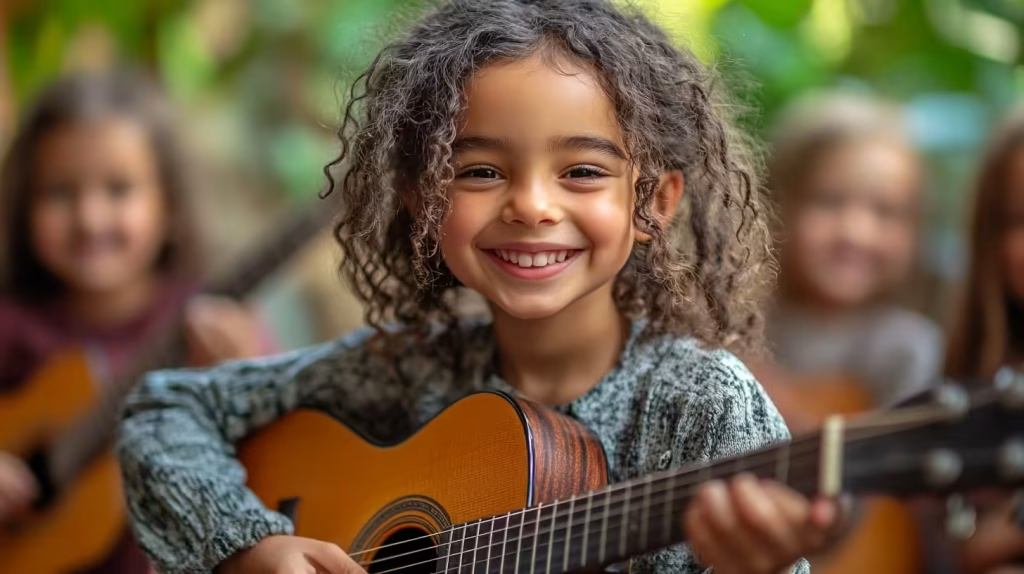
Fun Games to Teach Rhythm and Chords
Rhythm Games
Rhythm is the backbone of music. Here are some fun games to help kids learn rhythm:
- Clap and Tap: Start simple with clapping and tapping out basic beats. Gradually increase the complexity as kids get more comfortable. For example, you can start with a simple 4/4 beat and gradually move to more complex rhythms like 6/8 or 12/8.
- Drum Roll: Use a drum roll to practice beats. Kids can tap out different rhythms and try to match the drum roll. This game can be especially fun with a real drum or a drum app on a tablet.
- Song parodies are a fun way to learn rhythms. Make a simple song with a catchy beat. Kids can sing along and copy the rhythm. Create a song about animals. Each animal can represent a different rhythm. This makes learning fun and keeps kids engaged.
Chord Games
Chords are essential for playing the guitar. Here are some games to help kids learn chords:
- Chord Bingo: Create bingo cards with different chords. Call out a chord, and kids must find it on their cards. This game can be played with a group of kids, making it a social and interactive experience.
- Chord Switch: Practice quickly switching between chords. This helps kids develop finger dexterity and muscle memory. You can use a metronome to keep time and make the game more challenging.
- Create a song with a simple chord progression. Kids can sing and play the chords. For example, use colors to represent different chords. This makes learning chords fun and easy to remember.

Music Lessons in San Diego with K&M Music School
1 Expert Music Lessons
We offer Piano, Violin, Cello, Guitar, Ukulele, Saxophone, Bassoon, Harp, Voice, and Toddler group lessons for students of all ages and skill levels.
2 Why Choose Us?
- 🎶 Boosts focus and self-discipline
- 🎵 Strengthens cognitive skills
- 🎼 Enhances cultural understanding
- 🎤 Builds confidence through recitals
3 We Welcome Adults Too!
Interactive Activities for Kids
Musical Storytelling
Storytelling is a fun way to learn music. Use rhythms or instruments in the story. Kids can act it out and play the music. For example, create a story about a magical forest with characters playing instruments. This makes learning fun and sparks creativity.
Instrument Duets
Playing simple duets with other instruments can be a fun way to learn. Kids can take turns playing different parts of a song. This encourages teamwork and helps kids understand how different instruments work together. For example, you can play a simple duet with a recorder and a guitar. This makes learning instruments more enjoyable and interactive.
Musical Obstacle Course
Set up an obstacle course with music challenges. Kids must play a rhythm or a chord while completing the course. This makes learning fun. For example, create obstacles in your backyard, each with a different music task. This way, kids learn and get active at the same time.
Choosing the Right Guitar for Kids
Size Matters
Choosing the right size guitar is important for kids. A too big or small guitar can be uncomfortable and hard to play. Kids’ guitars come in different sizes, so measure your child first. Here’s a simple guide to help you pick the right size:
Recommended Guitar Sizes by Age Group
| Age Group | Guitar Size |
|---|---|
| 4–6 years | 1/4 size |
| 7–9 years | 1/2 size |
| 10–12 years | 3/4 size |
| 13+ years | Full size |
Types of Guitars
There are two main types of guitars for kids: acoustic and electric. Acoustic guitars are easier for beginners because they don’t need an amplifier. Electric guitars are more exciting but need an amplifier and can be more expensive. Here’s a comparison:
Acoustic vs. Electric Guitar Comparison
| Acoustic Guitar | Electric Guitar | |
|---|---|---|
| Ease of Use | Easier for beginners | More exciting |
| Amplifier Required | No | Yes |
| Cost | Generally less expensive | Generally more expensive |
| Sound | Natural, warm sound | Can be more varied and exciting |
Accessories
Some accessories can make guitar learning more fun. A guitar strap helps kids hold the guitar comfortably. A metronome helps them keep time. A guitar pick makes playing easier. Here’s a list of accessories for beginners:
- Guitar Strap: Helps kids hold the guitar comfortably.
- A Metronome assists kids in keeping time and developing a sense of rhythm.
- Using a Guitar Pick makes playing chords easier and more enjoyable.
- The Guitar Case protects the instrument during transport.
- With a Guitar Tuner, kids can tune their guitar quickly and easily.

Tips for Successful Guitar Lessons for Kids
Consistency
Consistency is key when it comes to guitar lessons for kids. Kids need to practice regularly to see progress. Try to set aside a specific time each day for practice. This could be during breakfast, after school, or before bed. Consistency is what helps kids see real progress in their guitar playing.
Patience
Learning an instrument takes time. Kids need to be patient and not get discouraged when they don’t see progress right away. Encourage them to keep trying and celebrate small victories along the way. Patience is crucial in the learning process. It helps kids develop perseverance and a love for learning.
Positive Reinforcement
Positive reinforcement helps motivate kids. Praise their efforts, even small ones. This makes them enjoy learning and want to keep going. You can use rewards like stickers, high-fives, or treats. Find what works for your child and use it to encourage them.
The Best Guitar Lessons for Kids
Local Music Schools
Local music schools can be a great option for kids to get guitar lessons. They offer in-person instruction and a community of like-minded musicians. Plus, they can be more affordable than online programs. However, it’s essential to choose a reputable school with qualified instructors.
- Pros: In-person instruction. Community of like-minded musicians. It can be more affordable.
- Cons: May not offer the same level of instruction as online programs.
- Website: Local Music Schools
The Importance of a Qualified Instructor
Choosing a good teacher is key to your child’s success. A qualified teacher gives personal help and makes learning fun. To find the right teacher, ask friends, family, and neighbors for recommendations. They can share useful information about the teacher’s skills.
- Check the teacher’s qualifications. They should have a music degree or certification from a good organization. This shows they are properly trained.
- Watch a lesson if you can. This will show you how the teacher works with students. It helps you understand their teaching style.
- Ask About Their Teaching Philosophy: Every instructor has a unique teaching philosophy. Make sure it aligns with your child’s learning style and goals.

Making the Most of Your Child’s Musical Journey
Once your child starts guitar lessons, make the most of their journey. Here are some tips to help:
- Set clear goals for your child. Make them specific and achievable. This helps your child stay focused. Practice regularly. Set a time each day for practice. This will keep progress steady.
- Be Patient: Learning an instrument takes time. Be patient and celebrate small victories along the way.
- Encourage Creativity: Encourage your child to express themselves creatively through music. This can help them develop a love for music and make learning more enjoyable.
- Perform: Encourage your child to perform in front of others. This can help them build confidence and develop a sense of accomplishment.
Music Lessons in San Diego with K&M Music School
1 Expert Music Lessons
We offer Piano, Violin, Cello, Guitar, Ukulele, Saxophone, Bassoon, Harp, Voice, and Toddler group lessons for students of all ages and skill levels.
2 Why Choose Us?
- 🎶 Boosts focus and self-discipline
- 🎵 Strengthens cognitive skills
- 🎼 Enhances cultural understanding
- 🎤 Builds confidence through recitals
3 We Welcome Adults Too!
Common Challenges in Guitar Lessons for Kids
Even with great lessons and a good teacher, challenges can happen. Here are some common problems and how to fix them:
- If your child loses interest, try making learning fun. Let them play their favorite songs or create their music. This can help them stay motivated.
- Frustration: Frustration is a normal part of learning. Encourage your child to keep trying and celebrate small victories along the way.
- If your child isn’t making progress, they might need more help. You can try hiring a private teacher or finding a new program. This can help them improve faster.
- Injury: Injuries can happen when learning an instrument. Make sure your child takes breaks and stretches regularly to prevent injury.
The Role of Parents in Guitar Lessons for Kids
Parents play a crucial role in guitar lessons for kids. Here are some ways you can support your child’s musical journey:
- Be Involved: Attend lessons with your child and offer support and encouragement. This can help them feel more comfortable and confident.
- Practice at Home: Encourage your child to practice at home. This can help them develop muscle memory and improve their skills.
- Give your child resources like sheet music, guitar tabs, and online tutorials. These will help them learn.
- Be Patient: Learning an instrument takes time. Be patient and celebrate small victories along the way.
- Encourage Creativity: Encourage your child to express themselves creatively through music. This can help them develop a love for music and make learning more enjoyable.
The Benefits of Group Guitar Lessons for Kids
Group guitar lessons for kids can be a great way to introduce your child to music. Here are some benefits of group lessons:
- Group lessons help kids interact with others and make new friends. This builds social skills and a sense of community.
- Shared Goals: Group lessons allow kids to work towards shared goals. This can help them stay motivated and focused.
- Variety: Group lessons offer a variety of songs and styles to choose from. This can help kids develop a love for music and make learning more enjoyable.
- Cost-Effective: Group lessons can be more cost-effective than private lessons. This can make guitar lessons for kids more accessible.
- Accountability: Group lessons provide a built-in accountability system. Kids know they have to keep up with the group, which can help them stay motivated and focused.
Conclusion
Learning to play the guitar is a fun and enriching experience for kids. It enhances their cognitive development, social skills, and confidence. By incorporating fun games and activities into their lessons, you can make the learning process more enjoyable and effective. Choosing the right guitar and program, along with consistent practice and positive reinforcement, will help your child develop a love for music and achieve their musical goals.
Call to Action
Ready to boost your child’s musical skills and enjoyment? Start by incorporating fun games and activities into their guitar lessons. Choose the right guitar and program, and encourage consistent practice and positive reinforcement. Don’t wait—begin your child’s musical journey today and watch them grow into a confident and skilled guitarist! Sign up for a free trial lesson.
Music Lessons in San Diego with K&M Music School
1 Expert Music Lessons
We offer Piano, Violin, Cello, Guitar, Ukulele, Saxophone, Bassoon, Harp, Voice, and Toddler group lessons for students of all ages and skill levels.
2 Why Choose Us?
- 🎶 Boosts focus and self-discipline
- 🎵 Strengthens cognitive skills
- 🎼 Enhances cultural understanding
- 🎤 Builds confidence through recitals
3 We Welcome Adults Too!
FAQ
At what age should kids start guitar lessons? The best age to start guitar lessons depends on your child’s interest and readiness. Some kids start as early as 5 or 6, while others may begin around 10 or 12. The key is to find the right fit for your child. If they are interested in music and eager to learn, it’s a good time to start.
How long does it take to learn the guitar? The time it takes to learn the guitar varies. Some kids may pick up the basics in a few months, while others may take a few years. Consistent practice and patience are key. Celebrate small victories along the way.
Are guitar lessons for kids effective? Yes, guitar lessons for kids are highly effective. They teach important skills like focus, self-expression, and teamwork. Learning music also builds confidence and can improve memory and school performance.
What are the benefits of group guitar lessons for kids? Group lessons help kids interact with others, make friends, and build social skills. They offer a variety of songs and styles, are cost-effective, and provide a built-in accountability system to keep kids motivated.
What are the benefits of private guitar lessons for kids? Private lessons offer personalized instruction tailored to your child’s needs, flexibility in scheduling, one-on-one attention, and can help your child make quick progress.
What are the benefits of online guitar lessons for kids? Online lessons offer convenience, a variety of songs and styles, interactive learning, cost-effectiveness, and flexibility in scheduling.
What are the benefits of in-person guitar lessons for kids? In-person lessons offer social interaction, immediate feedback, motivation, and a built-in accountability system. They can be more expensive but may help your child progress faster.
What are the benefits of hybrid guitar lessons for kids? Hybrid lessons combine the best of online and in-person lessons, offering convenience, social interaction, immediate feedback, and flexibility in scheduling.