
Discover the secret to skill mastery with Music Summer Camp. Learn benefits, key features, and tips for choosing the right camp. Transform your child’s musical journey today!
Imagine spending the summer learning an instrument you love. Music camp lets you do that and helps beginners become better musicians. This article explores the benefits, key features, and tips for choosing the right music summer camp. Whether you’re a parent or a child, music summer camp is a fun way to master new skills.
Music summer camp is a structured program designed to help individuals master musical skills. By the end, you’ll understand what to look for and how it can benefit your child’s development.
| Camp Highlights | Skill Booster Insights | Featured Platforms and Instruments |
|---|---|---|
| Musical Skill Boost | Technique, rhythm, and music theory enhancement | Piano, Guitar, Violin, Drums |
| Confidence & Growth | Performance opportunities, teamwork, self-expression | Yousician, SmartMusic, Musictheory.net (apps) |
| Social Connection | Friendships, cultural exchange, supportive environment | Classical, Jazz, Rock (genres) |
| Lifelong Advantages | Improved cognition, memory, and academic performance | VR experiences |
Benefits of Music Summer Camp
Music camps help people learn important musical abilities with experienced teachers and organized lessons. This builds confidence and improves playing for beginners. Campers also make friends and learn teamwork, gaining skills in creativity and self-expression.
Skill Development
Music camp helps students develop skills. Teachers give lessons to improve technique, rhythm, and music theory with regular practice and feedback. A beginner can become proficient in playing an instrument within weeks.
Techniques to Improve
- Rhythm Training: Crucial for keeping a steady beat. Camp activities include rhythm games and exercises.
- Finger Dexterity: Playing an instrument requires precise finger movements. Instructors teach techniques to improve this, making complex pieces easier.
- Music Theory: Helps students write music and enjoy different styles, teaching scales, chords, and key signatures.

Music Lessons in San Diego with K&M Music School
Expert Music Lessons
We offer Piano, Violin, Cello, Saxophone, Bassoon, Harp, Voice, and Toddler group lessons for students of all ages and skill levels.
Why Choose Us?
- 🎶 Boosts focus and self-discipline
- 🎵 Strengthens cognitive skills
- 🎼 Enhances cultural understanding
- 🎤 Builds confidence through recitals and performances
We Welcome Adults Too!
Book Your Free Lesson NowConfidence Building
Music camps build confidence. Performing boosts self-esteem and encourages risk-taking, beneficial in other parts of life.
Performance Opportunities
- Recitals: Camps host recitals to showcase skills, providing accomplishment and confidence.
- Group Performances: Teach teamwork, as students rely on each other, fostering belonging and pride.
Social Interaction
Music camps help kids meet new friends and build teamwork and community, making learning more fun and memorable.
Building Friendships
- Group Activities: Camps organize games and team-building exercises to help form bonds and lasting friendships.
- Cultural Exchange: Exposes children to different cultures through music styles, teaching appreciation for diversity.
Creativity and Expression
Music camps foster creativity and self-expression. Trying different styles helps students find their voice and grow their skills.
Exploring Genres
- Jazz: Workshops teach improvisation.
- Classical: Camps teach piano and violin, great for classical music lovers.
- Rock: Camps focus on guitar and drums, teaching popular rock songs.
Lifelong Skills
Learning an instrument at music camp has lifelong benefits for thinking, memory, and schoolwork, and can lead to future jobs.
Career Opportunities
- Music Education: Graduates become music teachers.
- Music Therapy: Some pursue careers helping others through music.
- Music Production: Others compose and arrange music for media.
Key Features of a Successful Music Summer Camp
Choosing the right camp involves considering key features for a well-rounded experience catering to various needs.
Age-Appropriate Programs
Good camps have programs for different ages, from basic rhythms for young kids to advanced skills for teens, ensuring everyone gets the right support.
Age Groups
- Preschool: Basic rhythms, singing, and simple instruments like drums and xylophones.
- Elementary: Learning instruments like piano, guitar, or violin.
- Middle School: Exploring advanced techniques and genres.
- High School: College preparation and advanced performance opportunities.
Instrument-Specific Camps
Some camps focus on intense training for instruments like piano, guitar, violin, or drums, helping students improve faster.

Popular Instruments
- Piano: Classical and contemporary techniques.
- Guitar: Acoustic and electric guitar, popular songs.
- Violin: Classical and contemporary techniques.
- Drums: Various styles from rock to jazz.
Location and Community
Location is crucial. A beautiful setting enhances the experience, and a supportive community encourages growth.
Camp Settings
- Urban: Vibrant atmosphere with cultural access.
- Rural: Peaceful setting with outdoor activities.
- Coastal: Unique setting with beaches and water activities.
Cost and Value
Cost is important. Choose a camp offering good value without overspending.
Cost Factors
- Tuition: Varies by reputation and instruction quality.
- Housing: On-site housing can add to the cost.
- Meals: Meal plans also impact cost.
Tips for Choosing the Right Music Summer Camp
Selecting the right camp involves research and evaluation.
Research
Look up local music camps and check online reviews from past campers and parents.
Online Resources
- Google: Search for local camps and reviews.
- Yelp: Reviews and ratings from parents and participants.
- Facebook: Connect with parents and participants in camp groups.
Reviews and Testimonials
Read reviews from past campers and parents to understand camp strengths and weaknesses.
What to Look For
- Instructor Quality: Experienced and certified instructors.
- Curriculum: Aligns with interests and goals.
- Facilities: Clean, safe, and well-maintained.
Curriculum and Instructors
Check lessons and teachers. A good program helps students learn all music aspects, and skilled teachers improve learning.
Curriculum Components
- Lessons: Daily focus on technique, theory, and performance.
- Workshops: Specialized styles and genres.
- Ensembles: Group performances for teamwork.
- Recitals: Regular performances to showcase progress.
Facilities and Resources
Check equipment and tools. Good instruments and learning materials improve lessons. Consider location, food, and recreation.
Facilities to Consider
- Instruments: Variety for participants to choose from.
- Practice Spaces: Adequate spaces for skill work.
- Dining: Clean and nutritious meals.
- Recreation: Outdoor and recreational spaces.
Success Stories and Testimonials
Hear from real participants and parents to see the camp’s effectiveness and achievements.
Real-Life Examples
- John’s Journey: Beginner piano lessons at camp led to playing songs confidently and composing music in weeks.
- Emily’s Transformation: Violin camp specializing in classical music improved her skills and confidence, leading to her winning a local competition.
Testimonials
- Sarah, Parent: “Music camp has been great… Instructors are knowledgeable and patient.”
- David, Parent: “Our son… comes back with new skills and confidence… Highly recommend.”
The Role of Technology in Music Summer Camp
Technology, including apps and VR, makes learning fun and easy, enhancing student engagement.
Interactive Apps
Many camps use apps with games, quizzes, and exercises for practice.
Popular Apps
- Yousician: Interactive lessons for guitar, piano, and ukulele.
- SmartMusic: Comprehensive platform with lessons and performance opportunities.
- Musictheory.net: Free online resource for music theory with interactive exercises.
Virtual Reality Experiences
VR enhances the experience, allowing exploration of musical environments and instruments, like a virtual piano in a concert hall.
VR Benefits
- Engagement: VR makes learning fun and memorable.
- Accessibility: Students can try instruments and environments from home.
- Safety: Provides a safe environment for practice.
Online Lessons
Online lessons enable learning from great teachers anywhere, offering flexibility and convenience for self-paced learning.
Online Lesson Benefits
- Flexibility: Self-paced learning and schedule choice.
- Convenience: Easy learning from home.
- Accessibility: Access to great teachers regardless of location.

The Importance of a Supportive Environment
A supportive environment is important for risk-taking, learning from mistakes, and musical growth.
Encouraging Risk-Taking
Supportive environments encourage trying new things, with teachers and friends fostering safety in making mistakes.
Risk-Taking Benefits
- Personal Growth: Encourages self-discovery.
- Musical Growth: Learning new skills and styles.
- Confidence Building: Comfort in different situations.
Learning from Mistakes
Supportive environments aid learning from mistakes through patient guidance from teachers and friends.
Learning from Mistakes Benefits
- Improvement: Learning from errors to avoid repetition.
- Confidence: Seeing mistakes as growth opportunities.
- Resilience: Adapting to challenges.
Peer Support
Peer support through group performances or study groups is valuable.
Peer Support Benefits
- Teamwork: Learning to collaborate and help each other.
- Motivation: Inspiration from peer success.
- Belonging: Feeling connected to others and the camp.
The Impact of Music Summer Camp on Academic Performance
Music camp improves thinking skills, memory, and academic success.
Cognitive Development
Music education enhances cognitive development, improving critical thinking, problem-solving, and analytical skills.
Cognitive Development Benefits
- Critical Thinking: Analyzing musical ideas.
- Creative Problem-Solving: Exploring musical styles.
- Analytical Skills: Understanding song structures.
Memory Improvement
Music education improves memory through multisensory engagement, aiding information retention.
Memory Improvement Benefits
- Information Retention: Better recall through senses and mental images.
- Memory Recall: Remembering complex songs and ideas.
- Focus: Improved concentration through practice.
Academic Achievement
Music education aids academic achievement by enhancing thinking and memory skills, benefiting various subjects.
Academic Achievement Benefits
- Improved Grades: Better performance across subjects.
- Enhanced Skills: Improved thinking and problem-solving leading to better test scores.
The Role of Parents in Music Summer Camp
Parental support and encouragement are crucial for camper success.
Support and Encouragement
Parents should support their kids by attending performances and providing positive feedback.
Support and Encouragement Benefits
- Motivation: Parental belief fosters confidence.
- Confidence Building: Feeling safe to take risks.
- Resilience: Adapting to challenges.
Conclusion
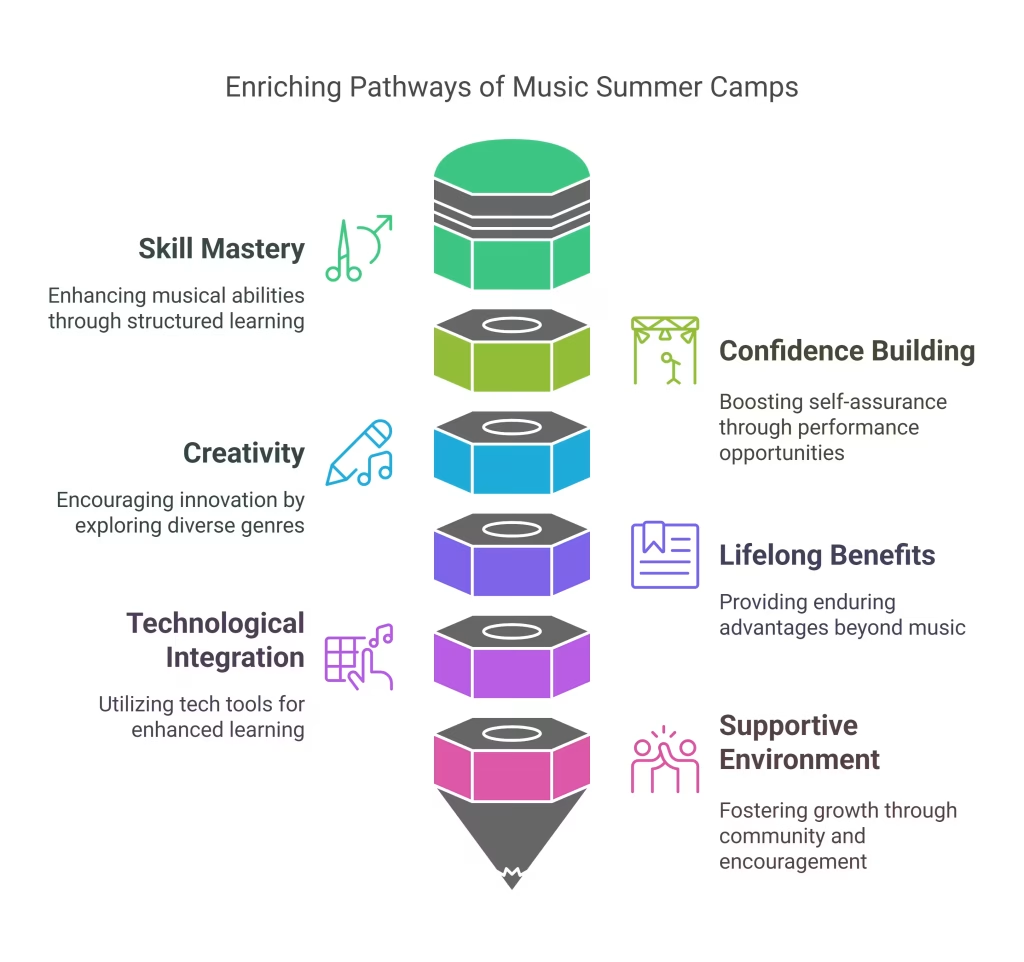
Music summer camps offer a unique path to skill mastery in a fun, supportive environment. They provide structured learning, performance opportunities, and social interaction, fostering not just musical skills but also confidence, creativity, and lifelong benefits. From rhythm training to exploring diverse genres and leveraging technology, these camps cater to various needs and interests, ensuring a well-rounded and enriching experience. The supportive community and focus on personal growth make music summer camp a powerful tool for developing well-rounded individuals ready to excel both musically and academically.
Call to Action
Ready to unlock your child’s musical potential? Explore music summer camps today! Research local options, check reviews, and find the perfect camp to foster skill mastery, confidence, and a lifelong love for music. Don’t miss out on this transformative summer experience – enroll now!
Music Lessons in San Diego with K&M Music School
Expert Music Lessons
We offer Piano, Violin, Cello, Saxophone, Bassoon, Harp, Voice, and Toddler group lessons for students of all ages and skill levels.
Why Choose Us?
- 🎶 Boosts focus and self-discipline
- 🎵 Strengthens cognitive skills
- 🎼 Enhances cultural understanding
- 🎤 Builds confidence through recitals and performances
We Welcome Adults Too!
Book Your Free Lesson NowFAQ
What Ages Are Accepted? Most music summer camps accept children aged 5 to 18. Some may have specific age groups; check the camp’s website for details.
What Instruments Are Taught? Music camps teach many instruments, including piano, guitar, violin, and drums. Some specialize, while others offer broader options. Check the curriculum for your child’s interests.
What Is the Cost? Cost varies by duration, location, and instruction quality. Factor in tuition, housing, meals, transportation, and materials when budgeting.
What Are the Camp Hours? Camp hours vary; some are daytime, while others offer evening or weekend sessions. Check the website to ensure hours fit your schedule.
What Should I Bring? Packing depends on the camp. Essentials include clothes, a water bottle, and your instrument. See the camp’s website for a full list and rules.
What If My Child Is a Beginner? Choose a camp with beginner programs that teach basic skills clearly. Some offer private or small group lessons for extra support.
What Are the Benefits of Music Summer Camp? Benefits include skill development, confidence building, friendship, creativity growth, and valuable life skills, improving both musical and personal growth.