Violin or fiddle lessons in San Diego offer different musical paths. Discover which style fits your goals, budget, and musical dreams best.
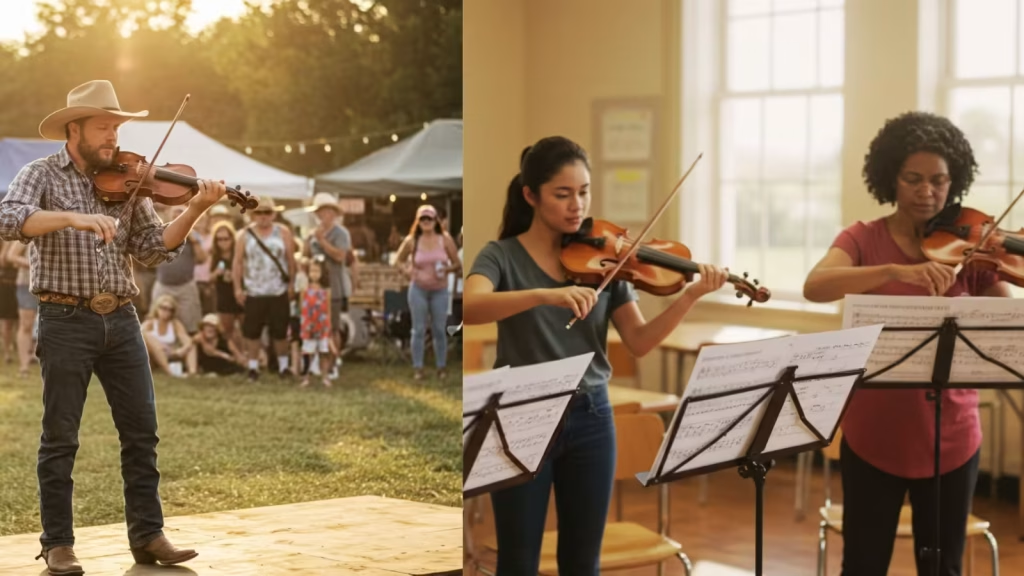
Choosing violin or fiddle lessons in San Diego can be a daunting task. Both use the same instrument but teach different styles. The violin is often classical, played in concert halls. The fiddle is a folk instrument, played at festivals.
This guide helps you pick the style that fits your goals, budget, and interests. Violin and fiddle lessons use different techniques and music. Knowing the differences will help you enjoy music more. Let’s see how these lessons connect you to San Diego’s music communities. Looking for violin lessons in San Diego specifically? See K&M Music School’s violin program → kandmmusicschool.com/lessons/violin-lessons/
| Style/Brand | Key Features & Approach | Where to Learn in San Diego |
|---|---|---|
| Classical Violin | Focuses on formal technique, music theory, and orchestral training. Emphasizes reading sheet music, disciplined practice, and participation in recitals and competitions. | San Diego Youth Symphony, UCSD, SDSU, private teachers, music conservatories |
| Fiddle (Folk/Trad) | Emphasizes folk traditions, ear training, and creative expression. Learning is flexible, often by ear, with a focus on improvisation and playing in groups at festivals and jam sessions. | San Diego Folk Heritage, bluegrass/country teachers, Celtic music groups, folk music centers |
| Both Styles | Offer private, group, and online lessons for all ages and skill levels. Community events, festivals, and local venues provide performance opportunities. | Community centers, recreation programs, music stores, cultural organizations |
Both styles offer adult and youth programs throughout San Diego County with private lessons, group classes, and online instruction available for all skill levels. Local venues, community centers, and cultural organizations support both styles.
Understanding the Difference Between Violin and Fiddle
What Makes Violin Playing Unique
Classical violin lessons teach traditional European music styles. Students learn how to hold the bow, place their fingers, and sit properly from the start. These skills help play challenging classical pieces.
Violin lessons focus on reading music and learning music theory. Students use books to practice scales and simple songs step by step. This helps them understand music well and helps with other instruments, too.
Orchestra and chamber music opportunities define much of classical violin training. Students work toward joining school orchestras, youth symphonies, and eventually professional ensembles. These group experiences teach important skills like listening, blending, and following a conductor.
Classical violin focuses on precision and skill. Students participate in competitions and recitals to show progress. This helps build discipline and dedication.
Fiddle Style Characteristics and Traditions
The fiddle is a folk instrument from many cultures. Players learn by listening and copying. They don’t rely heavily on sheet music.
Fiddle players know songs but add their style and decorations. This lets them be creative while keeping the traditional tunes alive.
Fiddle playing uses different bow techniques than classical violin. They use short, rhythmic strokes and make sounds that fit dancing and singing with groups.
Fiddle players connect to their culture and community. Many students take fiddle lessons to learn about their heritage. This helps them practice and make lifelong friends.
The Same Instrument, Different Approaches
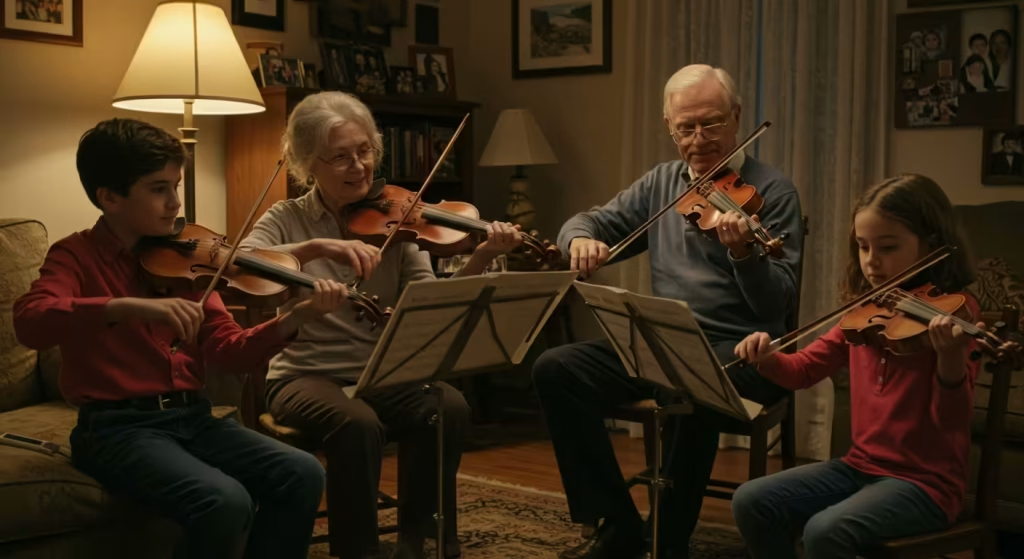
Violins and fiddles are the same instrument. Some players make small adjustments to fit their style.
Classical violinists prefer resonant sounds. They use tighter strings and a higher bridge. Fiddle players adjust their instruments for quick notes and rhythms. Fiddle players sometimes choose softer strings that work well with microphones. But many students use the same setup for both styles.
The biggest difference is how the sound is produced. Classical players focus on smooth, clear tones and control. Fiddle players use strong rhythms and quick decorations to stand out in groups.
Violin Lessons in San Diego: Classical Training Options
Benefits of Classical Violin Instruction

Music Lessons in San Diego with K&M Music School
1 Expert Music Lessons
We offer Piano, Violin, Cello, Guitar, Ukulele, Saxophone, Bassoon, Harp, Voice, and Toddler group lessons for students of all ages and skill levels.
2 Why Choose Us?
- 🎶 Boosts focus and self-discipline
- 🎵 Strengthens cognitive skills
- 🎼 Enhances cultural understanding
- 🎤 Builds confidence through recitals
3 We Welcome Adults Too!
Classical violin lessons teach more than just playing. Students learn to read music, understand theory, and think about music analytically. These skills help with any music style or instrument.
Classical training also builds strong technical skills. Students learn proper bowing, intonation, and finger control. These skills help if they try fiddle, jazz, or other music later.
School orchestras give students a chance to play in groups and make friends. Many San Diego schools have strong string programs for classical players. These groups offer concerts, friendships, and opportunities for scholarships.
Classical training prepares students for college and music careers. Auditions and competitions require these skills. Classical lessons teach discipline that helps students succeed, even if they don’t become professional musicians.
Top Violin Schools and Instructors in San Diego
San Diego Youth Symphony offers comprehensive programs for students throughout the county. Their instructors are professional musicians and trained educators. They also provide financial assistance for families who need it.
Private violin teachers in San Diego specialize in classical music. Many have advanced degrees and continue performing. They offer personalized instruction and flexible scheduling that fits busy lifestyles.
Universities like UC San Diego and San Diego State offer advanced music programs. Their faculty sometimes provide private lessons and community classes open to everyone. These help students prepare for college and music careers.
Music conservatories and specialized schools focus exclusively on classical training. These programs require significant commitment but help serious students advance rapidly. Summer camps and workshops provide additional intensive study opportunities.
Classical Training Methods
Classical violin lessons follow proven teaching methods. Students start with proper posture, bow hold, and simple bow exercises. Then they move to easy songs and technical practice. Regular practice helps build skills and retain lessons.
Repertoire progression moves systematically through method books and classical pieces of increasing difficulty. Students typically spend several months mastering basic techniques before attempting recognizable classical melodies. This foundation prevents bad habits and ensures steady progress.
Recitals give students opportunities to perform and set goals. Teachers hold regular recitals for families and friends. These events build confidence and create memorable experiences.
Equipment requirements include a properly sized instrument, bow, case, and music stand. Many teachers help families select appropriate instruments and accessories. Rental programs make quality instruments accessible while students determine long-term musical commitment.
Fiddle Lessons in San Diego: Folk and Traditional Styles
Advantages of Learning Fiddle Style
Fiddle lessons focus on creative expression. Students quickly develop their own musical voice. They learn to play with feeling, not just perfect technique. This helps students enjoy making music right away.
Fiddle music connects to many cultures. Students explore Irish, Scottish, Mexican, country, and other folk styles. These traditions reflect San Diego’s diversity and make music practice more meaningful.
Fiddle playing is about making music with others. Students learn songs to play at jam sessions and festivals. This helps them join music communities quickly.
Fiddle students learn complete songs quickly. While classical students spend months on scales and exercises, learning real tunes immediately keeps fiddle players engaged and practicing.
San Diego Fiddle Teachers and Programs
Folk music centers in San Diego offer group and private fiddle lessons. San Diego Folk Heritage hosts workshops and connects students with teachers. These programs teach music and culture together.
Bluegrass and country teachers help students learn American folk music. San Diego has many performances and jam sessions for these styles. New players of all levels are welcome.
Celtic music groups and Irish centers have strong fiddle programs. They preserve Irish and Scottish music traditions and welcome new players. Events and competitions provide additional learning and performance opportunities.
Folk music stores often recommend quality fiddle teachers. They know the local music scene and help match students with appropriate instructors.
Fiddle Learning Process
Fiddle lessons emphasize ear training. Students learn by listening, not just reading music. Teachers play tunes, students copy, and then add their style. This approach matches how folk music was traditionally passed down.
Students also learn harmony and rhythm, not just melody. They understand how to accompany and how songs fit together. This helps them join jam sessions and bands.
Fiddle programs often include group classes and ensembles. Teachers organize fiddle circles where students play together. These groups build confidence and teach collaboration, essential in folk music.
Many venues in San Diego welcome fiddle players. Students perform at open mic nights, festivals, and community events. Playing for audiences helps students practice and improve performance skills.
Choosing Between Violin or Fiddle Lessons in San Diego
Consider Your Musical Goals and Interests
Your musical preferences help determine whether violin or fiddle lessons fit better. If you enjoy classical music and formal concerts, violin lessons align best. If you prefer folk music and casual playing with friends, fiddle lessons work better.
Your musical aspirations matter too. If you want to join school orchestras or earn music scholarships, violin training helps most. If you want to play in bands or at community events, fiddle lessons serve you well.
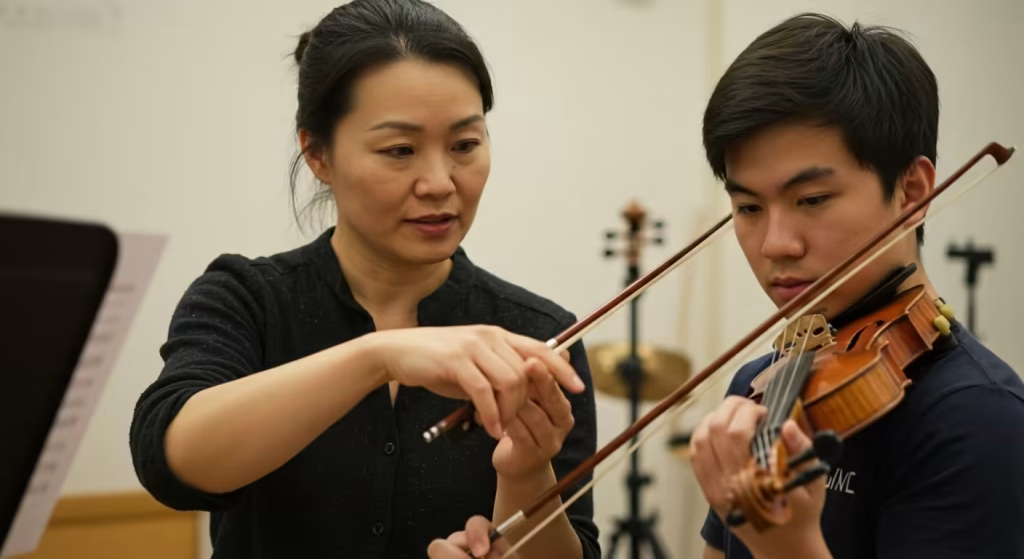
Learning style preferences vary significantly among individual students. Some learners thrive with the structured, systematic instruction that violin lessons provide. Others prefer the flexible, creative approach typical of fiddle instruction. Understanding your natural learning preferences helps predict success in either program.
Classical violin requires daily practice, regular lessons, and ensemble participation. Fiddle lessons offer more flexible practice schedules. Both can lead to excellent musical skills.
Age and Learning Considerations
Violin and fiddle lessons welcome all ages. Classical lessons often start at age 3 or 4 with appropriately sized instruments. Fiddle lessons typically start at age 6 to 8 when children better understand musical traditions.
Adults learn differently in both styles. Many adults prefer fiddle lessons because the music feels familiar and enjoyable. Some adults choose the classical violin for its systematic, methodical approach.
Family musical traditions influence many students choices between violin and fiddle lessons. Families with classical music backgrounds often choose violin instruction to continue established traditions. Those with folk music heritage frequently select fiddle lessons to maintain cultural connections.
Physical considerations matter for very young and older students. Classical violin emphasizes proper posture to prevent injury. Fiddle lessons are more flexible but still prioritize comfort and safety.
Budget and Cost Considerations
Lesson costs in San Diego vary significantly. Classical violin with expert teachers costs $60 to $120 per hour. Fiddle lessons typically cost $40 to $80 per hour. Some renowned folk musicians may charge more.
Instrument expenses remain similar for both violin and fiddle students. Quality student instruments rent for $30-50 monthly or purchase for $300-1000. Both styles benefit from regular instrument maintenance and eventual upgrades as skills develop.
Students purchase books, sheet music, and accessories. Classical violin students need more printed music and method books. Fiddle students often buy recordings, attend workshops, and participate in cultural events.
Performance-related costs can add significant expenses to both programs. Classical students may need formal recital attire, competition fees, and festival participation costs. Fiddle students might invest in amplification equipment, recording gear, or cultural organization memberships.
San Diego’s Music Education Landscape
Community Music Programs and Schools
San Diego public schools have excellent string programs from beginner to advanced levels. They welcome students with private lesson experience and homeschooled students.
Community colleges like Mesa and Grossmont offer music classes for adults and continuing students. These classes bridge private lessons and university-level study.
Recreation center music classes provide accessible instruction throughout San Diego neighborhoods. Many centers offer group violin or fiddle classes at reduced rates for residents. These programs emphasize enjoyment and community building over intensive musical development.
Music therapy programs in San Diego use the violin and the fiddle for healing purposes. These programs demonstrate music’s therapeutic potential and offer unique opportunities for students interested in helping others through music.
Performance Opportunities in San Diego
Youth orchestras in San Diego provide classical performance opportunities for students. Groups like the San Diego Youth Symphony and La Jolla Symphony help prepare students for college auditions.
Folk festivals and community events regularly feature fiddle players. Events like the Adams Avenue Street Fair showcase local talent and cultural diversity.
Open mic nights and intimate venues welcome violin and fiddle players. Coffee shops and restaurants host performances where students can practice performing skills.
Competition opportunities exist for both classical and fiddle students. Classical competitions include Music Teachers Association of California events and international competitions. Fiddle contests appear at cultural festivals and music organizations throughout the region.
San Diego’s Musical Culture and Traditions
San Diego supports diverse musical traditions. The Symphony and Opera maintain classical music excellence. Folk organizations and cultural clubs preserve traditional music heritage.
Music festivals occur year-round, celebrating Mexican, Irish, country, and bluegrass traditions. These events provide education and performance opportunities.
Professional orchestras and folk groups inspire and mentor students. Attending concerts and masterclasses exposes students to professional standards and career possibilities.
Libraries, community centers, and cultural organizations host student performances. These venues support emerging musicians and build audiences for classical and folk music.
Music Lessons in San Diego with K&M Music School
1 Expert Music Lessons
We offer Piano, Violin, Cello, Guitar, Ukulele, Saxophone, Bassoon, Harp, Voice, and Toddler group lessons for students of all ages and skill levels.
2 Why Choose Us?
- 🎶 Boosts focus and self-discipline
- 🎵 Strengthens cognitive skills
- 🎼 Enhances cultural understanding
- 🎤 Builds confidence through recitals
3 We Welcome Adults Too!
Finding the Right Instructor for Your Style
Qualities to Look for in Teachers
Classical violin instructors: Look for teachers with conservatory degrees, professional performance experience, and ongoing professional development. Membership in professional organizations like the Music Teachers Association demonstrates a commitment to excellence.
Fiddle instructors: Excellent fiddle teachers understand folk music traditions and cultural contexts. They know traditional repertoire and community connections. Teachers who perform regularly understand how music functions in real-world settings and can teach practical skills.
Ask teachers about their teaching philosophy and student success stories. Learn about their approach to technique development, repertoire selection, and progress assessment. Request references from current and former students.
Strong communication skills and a supportive personality enhance learning experiences. Schedule trial lessons to assess whether the teacher demonstrates patience and explains concepts clearly. Choose teachers who inspire enthusiasm for musical learning.
Questions to Ask Potential Teachers
Verify teacher experience in your preferred style—classical violin or folk fiddle. Ask about their students’ achievements and performance opportunities.
Ensure lesson scheduling and practice expectations fit your lifestyle. Understand lesson length, frequency, and homework requirements. Clarify policies for missed lessons and makeup opportunities.
Performance opportunities and recitals maintain student motivation. Ask whether your teacher offers recitals, competition preparation, or ensemble connections. These experiences enhance the learning process.
Trial lesson availability allows assessment of teaching compatibility before making long-term commitments. Many excellent teachers offer discounted or free introductory lessons. Use these opportunities to evaluate teaching style, studio environment, and personal rapport.
Getting Started with Violin or Fiddle Lessons
Preparing for Your First Lessons
Setting realistic expectations helps new students approach lessons with the appropriate mindset. Learning proper violin posture and bow control takes weeks. Everyone progresses at their own pace, but consistent practice accelerates improvement.
Establish a dedicated practice space at home. Ensure adequate lighting, music stand, and metronome access. Remove distractions and schedule regular practice times that work for your family.
Essential equipment includes a properly sized violin, bow, case, rosin, and music stand. Teachers can help select or rent appropriate instruments. Begin with quality student-level equipment rather than expensive professional instruments.
Establish clear expectations with your teacher. Discuss short-term and long-term goals. Celebrate small achievements while working toward larger objectives like recitals or ensemble participation.
Instrument Options for Beginners
San Diego offers rental programs with quality instruments for students exploring their commitment. Rental fees typically range from $30 to $ 50 monthly. Rentals often include maintenance, insurance, and upgrade options. Sometimes rental payments apply toward instrument purchase.
Quality student instruments cost more initially, but play well and sound good. Avoid very cheap instruments from discount stores that can be difficult to play and slow learning progress. Purchase from reputable music stores or instrument makers.
Size requirements vary by student age and physical development. Violins come in multiple sizes, from 1/16 scale for very young children to full 4/4 size for adults. Proper sizing ensures a comfortable playing position and prevents physical strain or injury.
Students typically upgrade instruments after 2-3 years when skills advance. Teachers help determine optimal timing and instrument selection.
Building Practice Habits
Daily practice develops muscle memory and technical skills. Start with short sessions and gradually increase duration as stamina improves. Practicing briefly every day works better than long, infrequent sessions.
Online resources and apps supplement traditional instruction with additional learning tools. Metronome apps, tuning programs, and instructional videos support home practice. However, these tools should complement rather than replace regular lessons with qualified teachers.
Progress recording and milestone setting maintain motivation and document achievement. Keep practice logs, record playing sessions, and celebrate accomplishments. Regular assessment with teachers helps identify areas needing attention and adjust practice strategies.
Motivation maintenance through challenging periods requires patience, support, and creative approaches. Vary practice routines, explore different musical styles, and connect with other student musicians. Remember that skill development takes time and persistence.
Advanced Training and Career Paths
Professional Opportunities
Classical violin careers: Professional orchestra positions represent premier classical violin careers. Major ensembles like the San Diego Symphony employ numerous violinists. Smaller orchestras provide additional opportunities. These positions require exceptional skill, extensive training, and successful auditions. Violinists can also teach privately and in schools with flexible schedules.
Fiddle playing careers: Fiddle players can join touring bands and recording artists in various genres. Country, Celtic, and Americana groups employ skilled fiddlers. Teaching folk music traditions provides stable income for accomplished fiddle players. Cultural organizations and schools hire instructors who understand traditional music and its history.
Solo performance and competition circuits offer paths for exceptional musicians with entrepreneurial skills. Session work and recording opportunities exist in San Diego’s growing media industry for both styles.
Continuing Education
Master classes and workshops in San Diego provide advanced instruction opportunities. Visiting artists and local professionals share advanced techniques and musical styles. Regular attendance helps accelerate student development.
Summer music camps and intensive programs offer concentrated learning opportunities during school breaks. Programs range from local day camps to prestigious national festivals.
Online lessons and communities expand learning opportunities and musical connections. Video instruction and virtual events connect musicians worldwide. These tools supplement but don’t replace regular in-person instruction.
Cross-training between classical and folk styles enriches musical understanding and expands performance opportunities. Many professional musicians combine classical technique with folk repertoire, creating unique musical voices.
San Diego Music Resources and Community
Local Music Stores and Services
San Diego features numerous violin and fiddle specialty shops. They sell instruments, accessories, and provide repair services. Stores like Bertrand’s Music and Guitar Trader offer expert advice and ongoing support.
String specialists and luthiers create custom instruments and provide professional repairs. They understand different playing styles and help optimize instrument setup. Quality luthiers maintain instruments in peak playing condition.
Music bookstores stock method books and sheet music for all skill levels and styles. Equipment rental and trial programs allow students to test instruments before purchasing.
Music Communities and Organizations
San Diego folk music organizations preserve traditional music and welcome new players. Groups like San Diego Folk Heritage host concerts, workshops, and social gatherings.
Classical music organizations support performance opportunities and music education. Organizations like the San Diego Chamber Music Society present concerts and educational programs.
Student ensembles and groups provide young musicians with regular performance opportunities. Youth orchestras, folk circles, and school ensembles welcome dedicated players. Adult learner groups connect older students facing similar challenges.
Events and Festivals Throughout the Year
San Diego hosts numerous classical concerts at major venues and intimate settings. Students can access discounted tickets to professional performances.
Folk music festivals showcase diverse cultural traditions. Events like Adams Avenue Street Fair allow folk students to perform and learn from others.
Student showcases and competitions help students practice performance skills. Workshops bring renowned artists to San Diego for additional instruction and networking opportunities.
Conclusion
Choosing violin or fiddle lessons depends on your musical preferences and goals. Violin lessons teach precise technique and music reading skills that prepare students for orchestras or professional music careers. This suits students who enjoy classical music and structured learning approaches.
Fiddle lessons emphasize cultural traditions, creative expression, and learning songs quickly. They serve students who prefer folk music, collaborative playing, and flexible instruction methods. San Diego offers numerous opportunities to explore both styles and connect with diverse musical communities.
Both violin and fiddle lessons thrive in San Diego’s supportive musical environment. The city features excellent teachers and abundant performance opportunities. Consistent daily practice accelerates progress in either style. Many students explore both approaches and discover they complement each other well.
Your choice depends on personal goals and musical preferences. Try sample lessons, attend local concerts, and talk with current students before deciding. San Diego welcomes all music learners and provides resources for both success and enjoyment.
Frequently Asked Questions
Can I switch between violin and fiddle lessons? Yes, you can switch between violin and fiddle lessons. Many students do this successfully. Classical skills help with fiddle playing, while folk music adds expressiveness to classical style. Exploring both can help you grow as a musician.
How long does it take to learn the violin or fiddle? Learning basic violin or fiddle takes about 6 to 12 months with regular practice. Intermediate skills take 2 to 4 years. Advanced skills require many years of dedicated study. Everyone learns at their own pace. Consistent practice and quality instruction help you improve faster.
Do violin and fiddle lessons cost the same? Violin and fiddle lessons cost approximately the same. Prices range from $40 to $120 per hour, depending on the teacher and location. Equipment costs are similar too. Additional expenses depend on your musical goals.
Can I use the same instrument for both styles? You can use the same instrument for violin and fiddle. Some players make minor adjustments like string type or bridge height. Most students successfully use one instrument for both styles.
Are group classes available in San Diego? Yes, San Diego offers group classes for violin and fiddle. Schools, community centers, and music stores provide them. Group classes help you learn with others and cost less per student.
At what age should children start lessons? Children can start violin lessons as early as 3 or 4 years old with specialized teaching methods. Fiddle lessons typically start at 6-8 years old. Adults can learn both styles successfully and often progress quickly due to focused attention and clear goals.
How do I find qualified instructors in San Diego? Contact local music stores, cultural organizations, and schools for teacher recommendations. Schedule trial lessons, verify credentials, and speak with current students. Professional music organizations and online directories also provide instructor listings and qualifications.