
Last Updated: June 2, 2026 | By K&M Music Company | San Diego, California
What to expect at your first music lesson: calm nerves, know the plan, and walk in prepared.

Your first music lesson should feel simple and friendly. You will meet the teacher, talk about your goals, and try a few easy basics. You may play simple notes, rhythms, or warm-ups. However, it is not a test, and you do not need experience.
Bring your instrument, a notebook, and any lesson materials. After the lesson, you will usually leave with one small practice goal and a clear next step. If you are exploring music lessons for the first time, this guide will walk you through every step so you feel prepared and calm before walking in.
What You’ll Learn in This Guide
- Why Beginners Worry
- Before You Arrive
- How to Prepare at Home
- What to Bring
- What Happens Step by Step
- What Your Teacher May Ask
- What a First Lesson Doesn’t Include
- Expectations by Instrument
- Online vs In-Person
- How to Calm Your Nerves
- Best Questions to Ask
- What to Do After the Lesson
- Signs It Went Well
- FAQ

Why Nervous Beginners Worry About a First Music Lesson
Many people feel tense before lesson one. That is normal. You are trying something new, and you do not yet know what the room, teacher, or routine will feel like.
Some beginners worry about the same things:
- “What if I know nothing?”
- “What if I mess up right away?”
- “What if I cannot read music?”
- “What if I am too old to start?”
- “What if the teacher expects too much?”
- “What if everyone else is better than me?”
A good teacher expects these fears. Many spend part of the first lesson helping students relax, talk about goals, and try easy basics instead of hard material.
What Your Teacher Actually Wants From You
Most teachers are not looking for a perfect student. They are looking for a student who is willing to try, open about goals, ready to listen, patient with mistakes, and consistent between lessons. You do not need talent on day one. You need curiosity and a little courage.
What to Expect Before You Arrive
Part of knowing what to expect at your first music lesson is understanding what happens before the lesson starts. In many cases, the teacher or studio will contact you first. They may ask about your age, instrument, experience, music taste, and schedule.
You may be asked simple questions like: Have you played before? Do you own an instrument? What music do you like? Why do you want lessons? Are you learning for fun, school, church, or a band?
These early questions help the teacher understand where to start. Asking about favorite songs or styles can make the first lesson feel more personal and useful.

How to Prepare at Home Before Lesson One
A little prep can lower stress fast. Here are a few simple things to do:
- Check the lesson time and address
- Confirm if the lesson is online or in person
- Ask if you need books, sheet music, or a notebook
- Pack your instrument if needed
- Tune the instrument if you know how
- Test your internet, mic, and camera for online lessons
- Write down any questions you want to ask
- Leave early so you are not rushed
That is enough. You do not need to “study music” before your first lesson unless your teacher gives you a small task.
What to Bring to Your First Music Lesson
The basic list is short. Bring these items if they apply to you:
| Basic Checklist | Instrument-Specific Extras |
|---|---|
| Your instrument | Guitar: picks, capo, tuner |
| A notebook or lesson journal | Violin/viola: bow, shoulder rest, rosin |
| A pencil | Clarinet/saxophone: reeds, cork grease |
| Printed music or book if teacher sent one | Drums: sticks, practice pad |
| A folder for handouts | Voice: water bottle, printed lyrics |
| Water if allowed | Piano: usually just your notebook |
| Payment or registration info | — |
Do You Need to Own an Instrument Already?
Sometimes yes. Sometimes no. Some studios have instruments in the room. Some teachers want beginners to rent before buying. Voice students usually do not need an instrument at all. If you are unsure, ask before the lesson.
What Happens in a First Music Lesson Step by Step
While every teacher has a different style, many first lessons follow a similar path. They usually begin with a welcome, move into a basic skill check, then end with one small practice goal.
A Welcome and Short Conversation
Your teacher will greet you, show you where to sit or stand, and ask a few easy questions. This part matters more than many beginners think — it sets the tone. You may talk about your goals, music taste, past experience, and any worries you have. If you are nervous, say so. Many teachers will slow the pace.
The Teacher Checks Your Starting Point
This is not a pass-or-fail test. It is just a way to see where you are. Your teacher may ask: Can you clap a steady beat? Can you match a pitch? Have you played any songs before? Even if you know almost nothing, that is useful information.
You Learn Setup and Posture
Good posture and setup help you avoid tension and build good habits early. You may learn how to sit, how to hold the instrument, where to place your hands, and how to relax your shoulders, wrists, or jaw. These basics may feel small, but they make everything else easier later.
You Try a Few Easy Skills
This is often the part beginners remember most. It is the moment where you go from “I am thinking about music lessons” to “I am actually making music.” Your teacher may guide you through a rhythm clap, a warm-up, one or two notes, a short melody, a basic chord, or a pitch matching exercise.
The Teacher Explains How Lessons Work
After the basic activity, the teacher will often explain how future lessons will run — lesson length, practice time, method books, song choices, reading music, ear training, technique work, and recitals if the studio offers them. This part turns the unknown into a plan.
You Leave With One Clear Next Step
A strong first lesson usually ends with something small and useful — practice two notes, clap one rhythm pattern, review hand position, sing one warm-up, or listen to one song. That small homework goal matters. It gives you momentum.
What a First Music Lesson Often Includes
What Your Music Teacher May Ask in the First Lesson
These questions are not there to trap you. They help the teacher teach you better.
About Your Goals
- Why do you want to learn music?
- What songs or artists do you like?
- Do you want to play for fun or for a goal?
- Do you want lessons for yourself or for a child?
About Your Experience
- Have you ever taken lessons before?
- Do you know any chords, scales, or note names?
- Can you already play or sing anything?
About Your Routine and Learning Style
- How much time can you practice?
- Do you have a quiet place to practice?
- Do you learn best by reading, hearing, or copying?
- Do you enjoy structure or a more relaxed style?
What a First Music Lesson Usually Does Not Include
A first music lesson usually does not include a harsh test, a long performance, instant sight-reading, heavy theory, perfect playing, or big pressure. Most teachers want to see your starting point, explain the basics, and help you feel safe enough to keep going.
First Music Lesson Expectations by Instrument
Different instruments start in different ways. Still, the pattern is often the same: setup, basics, first sound, then a small practice task.

For piano, you may learn key groups, finger numbers, posture, and a few notes.
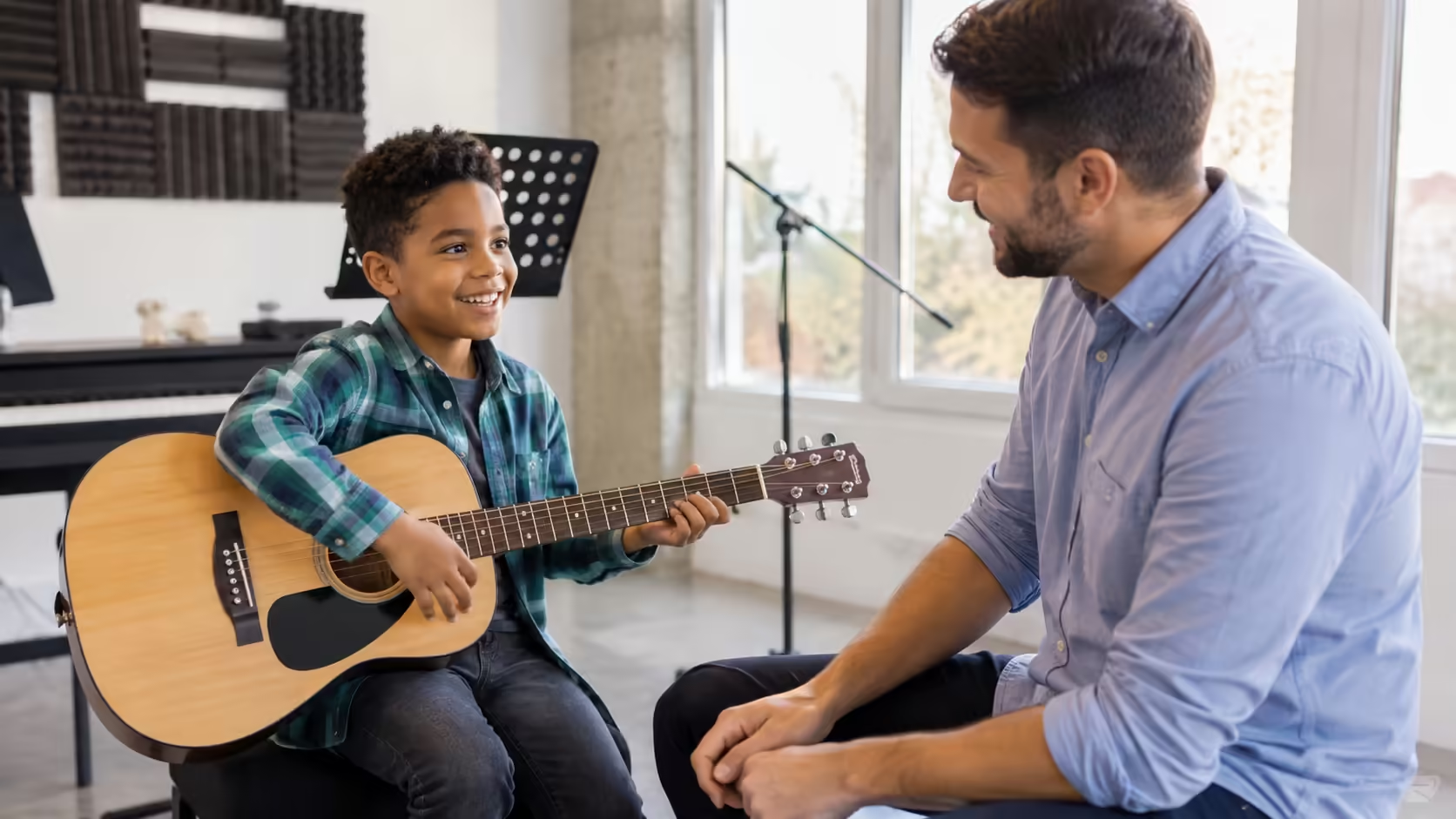
For guitar, you may learn how to hold the guitar, string names, a simple strum, or one chord.
For voice, you may work on breathing, posture, warm-ups, and matching pitch.
For violin, you may learn how to hold the violin and bow, then play open strings.
For drums, you may learn stick grip, counting, and one easy beat.
For ukulele, you may learn tuning, a basic strum, and one simple chord change.
First Guitar Lesson
A first guitar lesson often includes posture, string names, pick grip, tuning talk, and a first chord or easy one-string tune.
First Singing Lesson
A first voice lesson often includes breathing, posture, warm-ups, pitch matching, and gentle range work. You do not need a “big voice” to start.
First Violin Lesson
A first violin lesson usually focuses on setup. You may spend more time learning how to hold the violin and bow than playing notes. That is normal.
First Drum Lesson
A first drum lesson often covers stick grip, seat height, counting, and a simple groove. Timing matters more than flashy fills.
Online vs In-Person: What to Expect
A first music lesson can happen online or in person. Both formats can work well.
| Format | You May Need | Best For |
|---|---|---|
| Online | Stable internet, good camera angle, stand for phone/laptop, good lighting, quiet room | Shy beginners, busy schedules |
| In-person | Just yourself and your instrument | Hands-on correction, clear sound, easier communication |
Online lessons can feel less stressful for shy beginners because you are at home. On the other hand, sound delay can make it harder to play together in real time. Choose online if home feels safer and travel adds stress. Choose in person if you want hands-on correction and easier communication.
How to Calm Your Nerves Before Your First Music Lesson
If you feel shaky before the lesson, you are not alone. Many beginners build the lesson up in their mind. Then they walk in and realize it is much calmer than they expected.
- Arrive 10 minutes early
- Take slow breaths
- Drink water
- Remind yourself that beginners are supposed to make mistakes
- Focus on learning, not performing
- Bring a written list of questions
- Tell the teacher you feel nervous
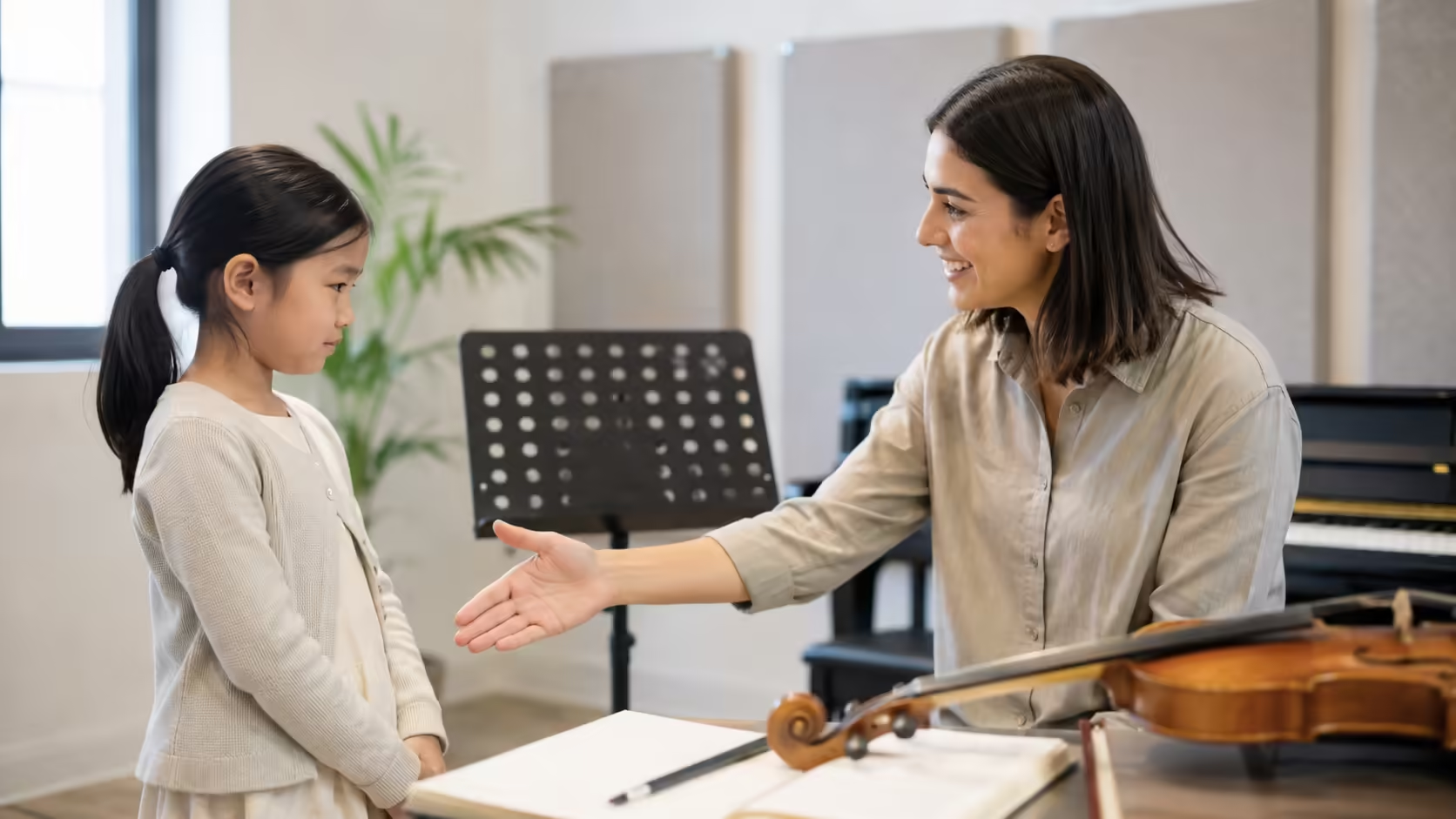
Instead of asking “What if I am bad at this?” ask “What can I learn today?” That one shift changes the whole mood.
Think of your first lesson like your first visit to a gym. No smart coach expects you to lift heavy weights on day one. They show you the room, explain the basics, and help you use good form. Music lessons work in a similar way.
Best Questions to Ask During Your First Music Lesson
Good questions can help you feel more in control.
About Progress
- What should I focus on this week?
- What can I expect in the first month?
- How will I know I am improving? (Read more on signs of progress.)
About Practice
- How many minutes should I practice each day?
- Is it better to practice every day or a few longer sessions?
- What should I do if I miss a day?
About Materials
- Do I need a method book?
- Should I use a metronome?
- Do I need a tuner?
- Should I rent or buy an instrument?
About Lessons
- Can we work on songs I enjoy?
- Will I learn to read music?
- Do you also teach ear training and technique?
What to Do After Your First Music Lesson
1. Review your notes the same day. Look back at any terms or steps your teacher gave you — finger numbers, posture notes, bow hold, breathing steps, tempo marks, chord names, warm-up patterns. Reviewing early helps your memory.
2. Start small with practice. Do not try to practice for an hour right away. Start with 10 to 15 minutes. Short practice is easier to keep, and consistency matters more than long random sessions. (See the 10-minute practice rule.)
3. Expect the first week to feel awkward. This is normal. Your hands, ears, and brain are learning new patterns. Even simple tasks can feel clumsy at first.
4. Keep the instrument easy to reach. If your instrument stays hidden in a case or closet, practice often drops. Keep it visible if you can.
Simple Practice Plan for the First Week
Practice for about 10 to 12 minutes each day. First, review your setup and one easy exercise. Then, repeat notes, rhythms, or warm-ups. Next, add one small improvement and practice slowly. By the end of the week, combine what you learned. Then, do a light review or rest while keeping the habit alive.
Signs Your First Music Lesson Went Well
After the lesson, you may still feel nervous. That is okay. You can still tell if it went well.
| Good Signs | Red Flags |
|---|---|
| You felt welcomed | Teacher rushes past basics |
| The teacher listened | Ignores your goals |
| You understood at least one thing better | Makes you feel embarrassed |
| You got one clear practice task | Gives unclear practice directions |
| You felt safe asking questions | Pushes too hard too fast |
| You left with hope | Does not answer simple questions clearly |
A good teacher does not need to be perfect. Still, you should feel respected and supported.
How Long Until Music Lessons Start Feeling Comfortable?
The honest answer: usually not in one day. The first lesson feels new and a little tense. The first month brings less confusion, a better routine, and small signs of progress. In the first three months, students get used to the teacher, the instrument, and practice — this is often when they start to feel, “I can do this.”
Final Thoughts: What to Expect at Your First Music Lesson
At your first music lesson, expect a warm welcome, a few simple questions, help with setup, one easy skill, and a small next step.
You do not need to arrive already good. You do not need to know music theory. You do not need to hide your nerves. In fact, being honest about your worries can help your teacher support you better.
A first music lesson is the start of a process. It is one small step. Yet it can open a very big door. So if you have been putting it off, this may be your sign to stop waiting and book the lesson.
Ready to take that step? Book your free trial lesson with K&M Music Company this week. We’ll guide you through everything — nerves and all.
Frequently Asked Questions
Do I need experience before my first music lesson?
No. Many students start with zero experience. A good teacher meets you where you are.
What if I cannot read music?
That is fine. Many beginners learn note reading step by step after lessons begin.
Will I play music on the first day?
Usually yes, but it will be simple. You might clap a beat, sing a note, or play a few keys or strings.
How long is a first music lesson?
Many first lessons last 30, 45, or 60 minutes.
What if I make mistakes in front of the teacher?
That is expected. Mistakes help the teacher know what to teach next.
Am I too old to start music lessons?
No. Adults start lessons all the time. Age does not stop you from learning music.
Should I practice before my first lesson?
Only if your teacher gave you something to do. Otherwise, just show up ready to learn.
Can I ask to learn songs I love?
Yes. Most good teachers want to know what music excites you.
Do I need to buy expensive gear before lesson one?
Usually no. Start simple. Ask the teacher what matters most first.