
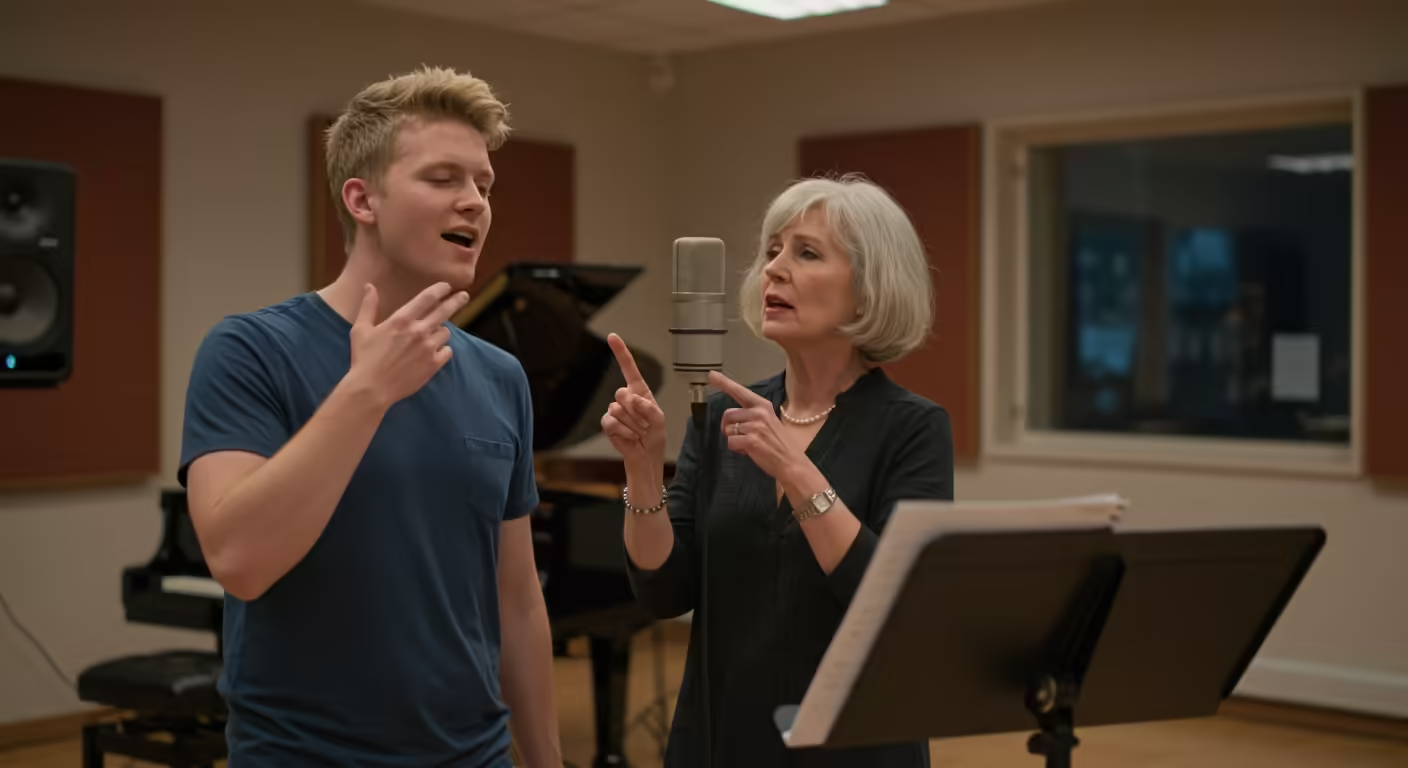
Adult music lessons help you enjoy playing or singing again. It doesn’t matter how skilled you are. This guide has tips to help you start.
As a busy adult, you might feel like there’s no time for hobbies. But you can still make time to learn an instrument or sing. It’s never too late to start, even if you’re a beginner. Adult music lessons help you build your musical skills at any level.
| Instrument | Key Benefits | Best For |
|---|---|---|
| Piano | Versatile, foundational | Music theory enthusiasts |
| Guitar | Portable, popular | Aspiring songwriters |
| Voice | Confidence-building, expressive | Performers, karaoke lovers |
| Violin | Elegant, challenging | Classical music aficionados |
| Drums | Stress-relieving, rhythmic | High-energy individuals |
| Ukulele | Easy to learn, compact | Casual players, travelers |
Music Lessons Designed Specifically for Adult Learners
Learning music can be harder for adults. Kids learn faster because their brains are still growing. Adults have more responsibilities and less free time. You might also feel shy about making mistakes. But with the right teaching, adults can still succeed.
Adult music lessons are made to help with these challenges. Teachers go at a pace that works for you. You can learn new skills without feeling stressed. Lessons focus on the music you love, like popular songs or classical pieces. With the right help, you can reach your music goals.
Tailored Teaching Methods
Qualified adult music teachers have training in adult learning theory. They understand how adults absorb information differently than children.
Lessons focus on the music you like, not kid-friendly songs. You learn faster when you enjoy what you’re playing. This makes practice more fun and interesting.
The pace is adapted specifically for adults. If you need more practice, you aren’t rushed from one concept to the next.
Milestones are celebrated to keep you motivated as you experience successes.
Practice goals are achievable, working with your schedule rather than unrealistic expectations.
With these tailored approaches, learning music as an adult is enjoyable and fulfilling.
The Benefits of Music Lessons for Adult Students
Learning music as an adult is fun and exciting. It also has many other benefits. It can help you in different ways as you learn and grow.
Cognitive Benefits
Research shows that music helps your brain in many ways. It improves memory, reasoning, and language skills. Students who study music do better on brain tests than those who don’t.
Enhanced memory – Memorizing songs and musical concepts engages your memory centers.
Reading music and playing songs helps you think more critically. It strengthens your problem-solving skills. This makes you a better thinker overall.
Increased IQ – Musical training has been linked to higher intelligence scores.
Stress Relief
Playing music helps your body relax. It lowers stress and boosts endorphins, which make you feel happy. Music lessons can help calm anxiety and reduce depression.
Sense of Accomplishment
Learning a new skill as an adult feels great. With the right training and effort, adults can learn what takes kids years to master. Each goal you reach builds your confidence and helps you keep improving.
Social Interaction
Music lessons get adults out of isolation. Group classes allow you to meet like-minded individuals learning the same instrument. Private lessons mean weekly interactions with your teacher. Performing also introduces you to new social circles.
Types of Music Lessons for Adults
Adults have unique needs and challenges compared to child music students. Specialized adult music programs help tailor lessons to your interests and lifestyle.
Private Lessons
One-on-one lessons with a teacher help you learn at your speed. Teachers create lessons based on the music you like. You can meet with them once a week or every two weeks. Lessons can be at their studio or online.
Group Classes
Group music classes cost less than private lessons. You also meet and learn with other adults at the same skill level. The lessons focus on music that adults enjoy and can handle.
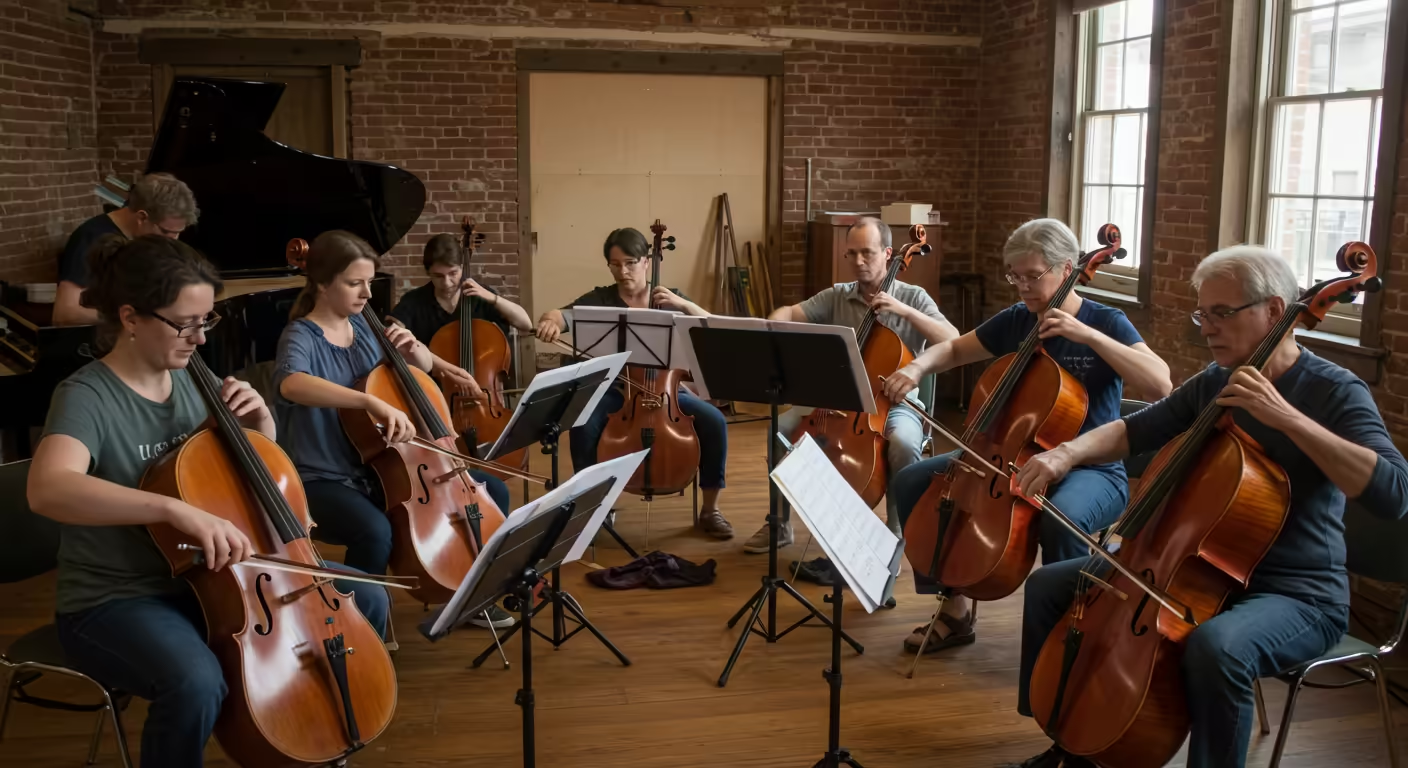
Online Lessons and Courses
Online programs provide flexibility for busy adults. Interactive video chat platforms enable you to take live online private lessons. On-demand online music courses let you learn through prerecorded video lessons. Apps gamify the learning process with interactive tutorials.
Types of Instruments for Adult Music Students
Adults can pick from many instruments that fit their interests and lifestyle. There are lots of options to choose from.
Piano
The piano is a popular instrument for adults. Even without experience, you can learn scales, and chords, and read music quickly. It’s easy to start with the basics.
Beginner courses for adults teach popular songs and basic music theory. Intermediate players learn more songs and new skills. Advanced students work on classical music or jazz improvisation.
Piano is a good choice for adults because many have a keyboard at home. Lessons are also easy to fit into your schedule. Plus, piano skills can help you learn other instruments too.
Guitar
Guitar is great for adults who want a portable instrument. Beginners start with simple chords and strumming to play popular songs. Intermediate players learn more chords and styles, like fingerpicking and rock solos.
Adults like that guitar skills can be used for other instruments like bass and ukulele. Guitar also works well with singing lessons. This makes it a great instrument to learn.
Singing
Some adults feel it’s too late to become good singers. But the voice can improve with training. Even if you’ve never sung before, lessons can make your voice stronger. You can learn to hit notes you didn’t think you could.
Voice lessons teach you how to control your breathing and sing higher or lower notes. They also help you improve your tone. You can learn performance skills too. Some adults take lessons to feel confident singing in karaoke or groups. Others want to sing in a band or record songs.
Additional Instruments
Beyond piano, guitar, and voice, adults can explore lessons for instruments like:
- Violin – Mastering a beautiful stringed instrument promotes concentration, posture, and coordination. Teachers simplify complex techniques like shifting positions and vibrato for adult beginners.
- Drums – Develop rhythm and timing with a high-energy outlet for stress relief. Electric kits are quiet options for apartment dwellers.
- Saxophone, Flute & Wind Instruments – Expand lung capacity and breath control. Melodic instruments offer versatility from jazz bands to orchestras.
- Ukulele – A fun, portable stringed instrument that’s easier on the fingers than a guitar. Basic chords and strumming patterns translate from the guitar.
There are many instruments to choose from. Adults can find one that matches their interests and lifestyle. This makes learning more fun and easier to fit into their lives.

Choosing the Right Music Instructor for Adults
Not all music teachers have suitable experience for adult students. Seek out instructors with specific adult-focused training. The best adult music teachers:
- Focus on Adult Learners: Use methods tailored for adult learning, making it easier to understand and improve.
- Customize Lesson Plans: Base lessons on the music you love, helping you reach your goals and stay excited.
- Adapt Teaching Methods: Change their approach if something isn’t working, ensuring you learn effectively.
- Show Patience: Remain patient if you learn slowly, encouraging you to keep going and stay motivated.
- Offer Flexible Options: Provide both in-person and online lessons, allowing you to choose what fits your schedule best.
By finding an instructor with these qualities, you’ll have a more enjoyable and productive learning experience.
Have performance experience – Real-world experience to equip you with practical music skills.
Teachers give you different practice tools. They use books, apps, and online resources. This makes practice more fun and helpful.
With the right teacher, adults can do well in music lessons. It doesn’t matter how much experience they have. The right support helps you grow and improve.
Questions to Ask Prospective Teachers
Thoroughly vet potential music teachers before committing to lessons. Important questions to ask include:
- How many years have you taught music lessons?
- What is your experience specifically with adult students?
- What is your teaching style?
- How do you structure lessons and curriculums?
- How do you motivate adult students?
- What music styles and genres do you teach?
- Do you teach music theory and how to read music?
- What should I expect to achieve after 3 months, 6 months, and 1 year?
- What practice resources do you provide between lessons?
- Do you offer online lessons or just in-person?
- What are your availability and rates?
See how well teachers understand your needs and goals. Try a lesson to see their teaching style. This helps you decide before signing up.
Overcoming Challenges for Adult Music Students
Adults face challenges when starting music lessons, like feeling frustrated or unsure. But with a positive attitude, good practice habits, and support, you can overcome them. Keep going, and you will improve.
Managing Expectations
Adults may want to improve quickly and feel discouraged when progress is slow. Remember, your teacher sets a pace that works for you. Trust the process and don’t compare yourself to kids. Celebrate small wins along the way.
Staying Motivated
Practicing every day helps you get better, but it can be hard with a busy schedule. Set reminders to practice, even for a few minutes. Record yourself often to hear your progress.
Making Practice Productive
Practice a little every day instead of doing long sessions. This helps you learn more. Follow your teacher’s advice on what to practice. Apps like Music Trainer make learning fun by turning it into a game.
Overcoming Embarrassment
Adults often feel self-conscious about making mistakes. However imperfect practice is part of the learning process. Lessons provide a judgment-free space to work through stumbling blocks. Remember teachers have seen it all before.
With the right lessons, teacher, and attitude, adults can reach their music goals. Don’t let your age stop you! You can still follow your musical dreams.

Music Lessons in San Diego with K&M Music School
Expert Music Lessons
We offer Piano, Violin, Cello, Saxophone, Bassoon, Harp, Voice, and Toddler group lessons for students of all ages and skill levels.
Why Choose Us?
- 🎶 Boosts focus and self-discipline
- 🎵 Strengthens cognitive skills
- 🎼 Enhances cultural understanding
- 🎤 Builds confidence through recitals and performances
We Welcome Adults Too!
Book Your Free Lesson NowSetting Goals as an Adult Music Student
To stay motivated and advance your abilities, clearly define your music goals. Outline specific, measurable milestones to work towards.
Short-Term Goals
Aim to accomplish these goals in your first 3-6 months:
- Memorize finger/fret positions
- Master basic chords/notes
- Develop proper technique
- Learn to read music
- Play 3-5 simple songs
Check-in with your teacher regularly to update your progress.
Long-Term Goals
After a year or more of lessons, target these advanced milestones:
- Perform advanced songs/pieces
- Expand repertoire across genres/styles
- Improvise melodies; compose music
- Develop advanced techniques like vibrato
- Join a band or orchestra
- Record your playing
- Perform solos or concerts
Review long-term plans with your instructor to outline measurable steps for getting there. Update goals periodically as abilities improve. Use recordings and concerts to benchmark improvement.
At-Home Practice Tips for Adult Learners
Regular at-home practice is essential for honing skills between lessons. But with busy adult schedules, what’s the best way to make practice productive?
Start small – Even 15 minutes daily is better than a 2-hour marathon weekly. Brief, frequent sessions instill habits.
Set reminders – Phone alerts prevent forgotten practices. Associate practice with existing routines like morning coffee or commute prep.
Switch up your practice to keep it fun. Try new chord progressions, scales, songs, and drills. This helps you stay interested and avoid boredom.
Record yourself often to hear progress over time. Apps make recording easy.
Get helpful practice tools like books, videos, and chord charts. A metronome can help you keep the beat. These resources make practicing at home easier.
Make it fun – Learn songs you enjoy listening to and be playful with the instrument. Apps like Yousician gamify the experience.
Join a group – Playing alongside others keeps you accountable. Local bands, choirs and meetup groups provide opportunities once you have basic skills.
Track goals – Use a practice journal or app to log sessions, techniques worked on, and goals reached. Review before upcoming lessons.
Upgrade equipment over time like acoustic-electric guitars, weighted keyboards or recording mics. As skills improve, instruments should follow.
How to Choose the Right Instrument for Adult Music Lessons
Choosing the right instrument is crucial for enjoying and sticking with your music lessons. Consider the following factors to make an informed decision:
- Interest and Excitement:
- Select an instrument that excites you and makes you eager to play every day. Whether it’s a rock guitar or a concert harp, pick something you love.
- Physical Considerations:
- Consider any physical issues such as back pain, arthritis, or finger size, as these can affect your playing. Teachers can often adjust techniques to accommodate these challenges.
- Living Situation:
- If you live in an apartment, opt for quieter instruments or use electric kits and mutes to minimize noise and avoid disturbing neighbors.
- Lesson Format:
- Decide whether you prefer online or in-person lessons, and look for teachers who offer your preferred format.
- Budget:
- Consider the affordability of the instrument and lessons. Piano and guitar are generally more budget-friendly, but also factor in travel costs and instrument expenses.
- Practice Time:
- Be realistic about how much time you can dedicate to practice each day. Some instruments require more practice than others.
- Future Goals:
- Think about your long-term goals. Will you play for personal enjoyment or aim to join a band? Different instruments may be better suited to different goals.
- Expert Advice:
- Ask teachers for help in choosing an instrument. They can suggest options that fit your lifestyle and musical aspirations, making it easier to get started.
By considering these factors, you can choose an instrument that aligns with your interests, lifestyle, and goals, ensuring a rewarding musical journey.

Most Popular Instruments for Adult Learners
The instruments below consistently rank as top choices for adults across musical backgrounds:
Piano – Accessible for beginners and transfers well to other instruments
Guitar – Portable and versatile across many genres
Voice – Expressive outlet to build confidence
Violin – Melodic string instrument with prestige
Drums – Fun stress relief and integral for bands
Ukulele – Easy string instrument to take anywhere
Instruments like saxophone, trumpet, and cello are popular with adults too. Many choose to try something new and challenging.
How Often Should Adults Take Music Lessons?
Consistent lessons combined with regular practice are key to progressing quickly. Here’s a guide to optimal lesson frequency for busy adult learners:
Weekly Lessons
- Duration: Start with 30-60 minute lessons each week.
- Benefits:
- Build good habits from the beginning.
- Prevent mistakes that are hard to fix later.
- Weekly check-ins help stay on track with practice.
Intensive Training For those looking to accelerate their learning, consider periodic intensive lessons:
- Multi-hour Packages:
- Block out multiple back-to-back lesson hours monthly or quarterly.
- Ideal for endurance training without distractions.
- Music Bootcamps:
- Lasting a weekend or a whole week.
- Focused sessions for quick improvement.
- Masterclasses:
- Workshops with experienced musicians.
- Learn specific skills like songwriting, improvising, or recording.
Balancing Intensive Training
- While intense training can be effective, it’s important to balance it with daily responsibilities to ensure long-term commitment.
By following this guide, you can find the right balance of lesson frequency and intensity to suit your schedule and goals.
Overcoming Practice Plateaus as an Adult Learner
After the initial excitement, adult students may lose motivation and feel stuck. Here are common reasons and strategies to regain momentum:
Common Reasons for Plateaus:
- Boredom: Practicing the same techniques becomes monotonous.
- Lack of Variety: Focusing only on scales and drills neglects the joy of playing songs.
- Feeling Overwhelmed: Tackling overly challenging songs too early leads to discouragement.
- Life Demands: Work, family obligations, and travel disrupt consistent practice.
- Physical Fatigue: Insufficient rest, injury, or poor ergonomics hamper progress.
- Forgetting Fundamentals: Even experienced players need to revisit basic techniques periodically.
Strategies to Regain Momentum:
- Revive Excitement: Reconnect with your passion for learning music. Watch old concert footage of your favorite artists for inspiration.
- Review Basics: Go over early techniques to strengthen your foundational skills and avoid future problems.
- Set Small Goals: Focus on achievable steps during each practice session to maintain progress.
- Learn Favorite Songs: Choose 3-5 songs you love and focus on small parts each week to keep practice enjoyable.
- Take Breaks: Avoid burnout by allowing your brain and body to rest. Resume lessons refreshed, but maintain long-term momentum.
- Jam with Others: Play with fellow musicians to reinvigorate your passion and have fun.
- Explore New Genres: Try styles like blues or jazz to challenge yourself creatively.
- Upgrade Gear: Invest in better instruments or equipment to improve your sound and reignite your excitement.
Upgrade your gear to improve your sound. Get a better instrument, new guitar pedals, or a better mic for singing. New equipment can make you feel excited to play again.
How Music Theory Boosts Adult Learning
Some adult students feel intimidated by music theory concepts like reading sheet music. But understanding the rules that underpin melodies allows faster advancement:
Reading Music Notation
Learning to read music helps you play harder songs. First, you learn simple things like note names, rhythms, and time signatures. Later, you learn key signatures, chord symbols, and how to play notes with the right style.
Music Intervals
Intervals show the distance between notes. They help create melodies and harmonies. Learning to recognize intervals by ear helps you predict the next note. Practicing intervals also improves your sense of pitch.
Chord Construction
Chords are groups of notes played together. Learning how major, minor, and seventh chords are built helps you play them easily. Changing the order of notes and adding extra notes gives you more ways to play chords.
Scale Patterns
Scales are the building blocks of melodies in all types of music. Learning scales like major, minor, and blues help you build muscle memory. Knowing scales also helps you get better at improvising.
Music Lessons in San Diego with K&M Music School
Expert Music Lessons
We offer Piano, Violin, Cello, Saxophone, Bassoon, Harp, Voice, and Toddler group lessons for students of all ages and skill levels.
Why Choose Us?
- 🎶 Boosts focus and self-discipline
- 🎵 Strengthens cognitive skills
- 🎼 Enhances cultural understanding
- 🎤 Builds confidence through recitals and performances
We Welcome Adults Too!
Book Your Free Lesson NowCall to Action
Don’t let age or busy schedules hold you back from pursuing your musical dreams. Adult music lessons are designed to fit your lifestyle and help you achieve your goals. Whether you’re a beginner or looking to improve your skills, now is the perfect time to start.
Contact us today to schedule your first lesson and begin your musical adventure!
Conclusion
Adult music lessons offer a rewarding and enriching experience, regardless of your skill level. With tailored teaching methods, a focus on your favorite music, and a supportive learning environment, you can overcome challenges and achieve your musical goals. Embrace the journey, stay motivated, and enjoy the many benefits that music brings to your life.
Frequently Asked Questions
What are the cognitive benefits of music lessons?
Music stimulates brain areas involved in memory, reasoning, and language. Musical training links to higher IQ and test performance.
How do music lessons relieve stress?
Playing music releases endorphins and lowers the stress hormone cortisol. Studies confirm lessons reduce anxiety/depression.
What music styles do most adult lessons teach?
Teachers create lessons based on the music adults love. You can learn anything from classical songs to popular hits. This makes learning more exciting.
How frequently should an adult take lessons?
Ideally, begin with weekly 30-60 minute lessons. Once fundamentals are cemented, bi-weekly/monthly lessons work too.
What if I don’t read music – will that hold me back?
While reading notation allows playing more complex songs, beginners focus first on technique. Music theory can come later.
How much should I expect to practice between lessons?
Aim for at least 15-30 mins daily, even if just doing scales/chords. Short frequent sessions instill habits.
What happens if I miss a lesson as an adult learner?
Teachers may allow makeup lessons or send supplemental materials to cover. Consistency is still key to progress.