

Whether you’re a beginner or an advanced player, this guide offers tips for finding affordable local group classes or private instructors.
Why Choose the Ukulele?
The ukulele is easy to learn, fun to play, and perfect for various musical styles. Its small size and affordability make it a popular choice for both beginners and experienced musicians.
Starting Your Ukulele Journey
The first step in learning the ukulele is finding the right teacher. A good teacher will help you with technique, and music theory, and make learning enjoyable by providing structure and fun.
| Learning Stage | Key Skills | Recommended Lesson Type |
|---|---|---|
| Beginner | Basic chords, strumming, instrument handling | Group or Private Lessons |
| Intermediate | Complex chord progressions, fingerpicking, music reading | Private Lessons Preferred |
| Advanced | Music theory, genre exploration, composition | Specialized Private Instruction |
What This Guide Covers
- Skill Levels: What you can learn at each stage, from beginner to advanced.
- Finding Teachers: Where to locate instructors, including music schools, private teachers, universities, and community centers.
- Lesson Costs: Typical prices for private lessons, group classes, and university programs.
- Qualities of a Great Experience: What makes ukulele lessons enjoyable and effective?
Types of Lessons
- Private Lessons: Offer personalized attention and faster progress.
- Cost: $25-$50 per hour.
- Group Classes: More affordable and provide a social environment.
- Cost: $15-$35 per hour.
- University Programs: Often taught by music students, these are budget-friendly.
- Cost: $10-$25 per hour.
Where to Find Teachers
- Local Music Schools and Community Centers: Offer group classes that are cost-effective but may have larger class sizes.
- Private Instructors: Provide one-on-one attention, ideal for beginners needing focused instruction.
- University Music Programs: Affordable lessons often taught by knowledgeable music students.
What Makes a Great Ukulele Experience?
- Personalized Attention: Tailored lessons that match your learning style and pace.
- Structured Curriculum: A progressive learning plan that builds on previous skills.
- Engaging Teacher: A teacher who makes lessons fun and motivating.
- Practical Feedback: Constructive advice to improve your technique and understanding

Music Lessons in San Diego with K&M Music School
Expert Music Lessons
We offer Piano, Violin, Cello, Saxophone, Bassoon, Harp, Voice, and Toddler group lessons for students of all ages and skill levels.
Why Choose Us?
- 🎶 Boosts focus and self-discipline
- 🎵 Strengthens cognitive skills
- 🎼 Enhances cultural understanding
- 🎤 Builds confidence through recitals and performances
We Welcome Adults Too!
Book Your Free Lesson NowWhat Are the Benefits of Taking Ukulele Lessons?
Private or group ukulele lessons are better than teaching yourself. They offer many benefits for both kids and adults.
- You learn good technique and posture from the beginning. This helps avoid bad habits that are hard to fix later. A teacher can guide your hand positions, strumming, and fretting with your left hand. This makes learning easier.
- You will learn faster with feedback and expert guidance. A teacher can spot areas for improvement. Self-learners often get stuck and progress slower.
- Ukulele programs are designed for every level, from beginners to advanced players. Let’s look at the skills you’ll learn at each stage.
- You get exposure to many genres popular for the uke – pop, rock, jazz, blues, folk, and Hawaiian. Even classical!
Ukulele lessons help both kids and adults learn faster. They make the learning experience more rewarding.
More Specific Benefits for Adult Learners
Adults starting ukulele lessons stand to gain a few additional perks:
- Achieve progress faster than learning solo. Self-teaching often leads to frustration at slower advancement.
- An instructor addresses areas needing improvement you likely overlook on your own.
- Lessons provide accountability and structure you might lack practicing independently at home.
- Learn proper technique before bad habits form that are hard to correct later.
- Tap into an instructor’s deep knowledge of ukulele music theory.
- Playing uke together with other adults can form lasting social bonds and friendships.
For busy adults, weekly lessons help you find time to practice. An expert can spot areas for improvement and speed up your progress. Group lessons also let you meet other ukulele players.
What Ukulele Skills Can You Expect at Each Level?
Ukulele programs are designed for every level, from beginners to advanced players. Let’s look at the skills you’ll learn at each stage.
Beginner Ukulele Lessons
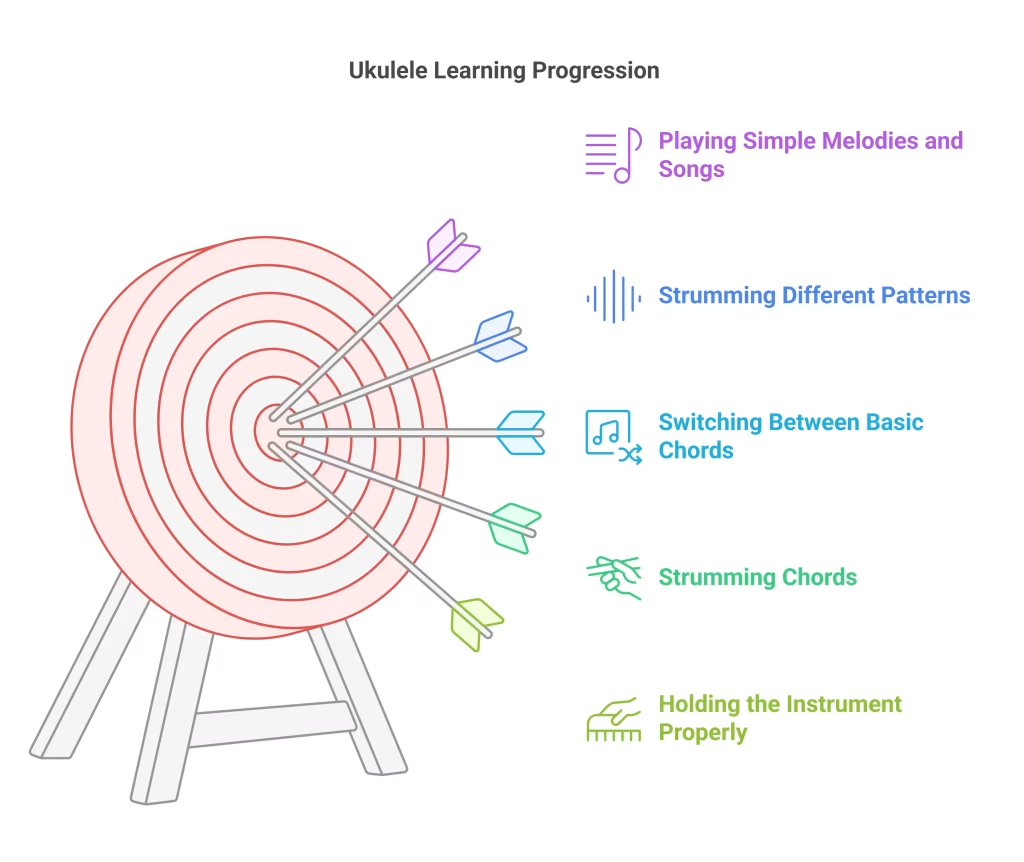
Holding the instrument properly
Strumming chords
Switching between basic chords smoothly (C, F, G7)
Strumming different patterns
Playing simple melodies and songs
Beginner lessons focus on holding the ukulele, learning basic chords, and strumming. Students start with simple songs, like children’s tunes. Then, they move on to popular ukulele songs.
A quality beginner program covers fundamentals like:
- The parts of a ukulele – body, neck, headstock, tuning pegs, frets, strings
- How to tune it properly
- Correct hand positioning and posture
- Basic chord shapes (C, F, G7, Am, Dm)
- Strumming patterns – downstrokes, upstrokes
- Plucking individual strings
- Reading chord charts
- Playing easy one to two-chord songs
- Music theory basics – note values, time signature, tempo
You’ll be surprised at how much you can learn as a beginner with weekly lessons. Starting with the basics helps you avoid bad habits before moving on.
Intermediate Ukulele Lessons
More complex strumming and picking patterns
New chords and chord progression
Music reading skills
Understanding song structure and composition
Fingerpicking techniques
Teachers show more complex and muted strumming patterns at the intermediate level. You’ll learn new chords and progressions used in many styles. Students also start reading sheet music, tabs, and understanding song structure. Many begin learning fingerstyle techniques, like plucking patterns.
Specifically in the intermediate phase, you expand skills like:
- Full barre chords all across the neck
- 12-bar blues and 50s rock chord progressions
- Diatonic chords
- Hybrid picking mixes fingerstyle and strumming
- Reading ukulele tablature
- I-IV-V chord patterns
- Movable chord shapes
- Seventh chords, extended chords
- Accenting beats when strumming
- Reggae and island strumming rhythms
- Music vocabulary for dynamics and expression
You will also start playing harder songs with faster chord changes. You can break down the chord patterns and learn them on the uke by studying hit songs.
Advanced Ukulele Lessons
Advanced music theory
Different plucking techniques
Exploring various genres/styles
Writing original compositions
Arranging harmonies
Performing solos/improvisation
In advanced lessons, students learn more about music theory, like scales and rhythms. They also practice techniques like tremolo, vibrato, harmonics, and tapping. Lessons are customized to fit your interests. You can write your music, study jazz, or learn styles like Spanish, Hawaiian, or classical.
Specifically advanced players expand into:
- Playing across multiple octaves
- Using the entire fretboard during solos
- Sight reading sheet music quickly
- Playing fast arpeggios and chord tones
- Advanced strumming techniques – chucking, muting
- Fingerstyle arrangements of complex songs
- Playing by ear and transcribing songs
- Composing original songs
- Improvising solos during songs
- Using effects pedals with ukulele
- Performing advanced classical repertoire
Advanced students with good music skills can focus on their interests. These might include making their uke albums, performing live, or teaching others.
Where Can You Find Ukulele Teachers?
You can find private and group ukulele classes for all skill levels in your community. Here are the most common options:
Local Music Schools and Community Centers
Check if your local community center offers group ukulele classes. Music schools for kids often teach ukulele along with other instruments.
Group classes are cheap but may not offer personal attention. The class size can be large. Beginners may prefer a private teacher who specializes in ukulele for more help.
That said, the playful group environment and cost are big advantages!
Questions to Ask About Group Classes
- What is the age range and skill level of students? Is the class right for your needs?
- How large is the average class size? How much individual attention is given?
- How long is the class session? How frequently do they meet per week/month?
- Does the instructor provide help if you fall behind in classes?
- What curriculum or methods do they follow when teaching group ukulele classes?
Get a sense beforehand if the group pace and teaching style match your goals. While usually more affordable, you want to ensure you don’t get overlooked.
Private Ukulele Instructors
You can find ukulele teachers on websites like Craigslist. Some teachers focus only on the ukulele, but many guitar and bass players teach it too. This is because the instruments are similar.
Asking at your local music stores will also yield recommendations. Bulletin boards frequently have instructor business cards posted. Stores that sell ukuleles like specialty shops are excellent spots to inquire.
Private lessons let you learn at your own pace. This is great for beginners who need to focus on the basics. With the teacher’s full attention, you can improve faster.
The main downside is cost. However, it’s an investment that pays off when you can play songs confidently. This makes practice more rewarding.
When interviewing potential private teachers, clarify details upfront:
- Where do they teach – your home, theirs, or online? In-home costs more.
- What’s included in the lesson fee? Just instruction or music books/materials too?
- Which ukulele brands and models do they recommend buying? This varies by genre.
- What is their lesson cancellation/refund policy if you miss a class?
Compare a few options before committing. Ensure lesson logistics and policies fit your needs.

University Music Programs
Check if a local college or university offers ukulele lessons. Often, piano, guitar, and bass teachers also teach ukulele. These lessons are usually affordable.
Learning from college music students has pros and cons. They know much about music theory but may not have much experience teaching ukulele. Make sure the teacher has enough ukulele knowledge before you start lessons.
Questions to ask college student instructors:
- What formal ukulele training do you have besides self-taught experience?
- How long have you played ukulele? How advanced are your skills?
- Have you taught private or group ukulele lessons before and for how long? Can you provide student references?
- What teaching methods or curriculum do you follow when instructing ukulele?
While budget-friendly, ensure they have proper training and experience before signing up. Video chat first to assess skill level.
Questions to Ask Prospective Ukulele Teachers
When looking for a local uke teacher, be ready to ask important questions. This will help you find the right fit.
- What is your background and experience with playing and teaching the ukulele? How long have you played?
- How many ukulele students have you taught? What age groups and skill levels?
- What is your teaching style? Is it tailored more towards kids or adults?
- Do you follow a structured, progressive ukulele curriculum for beginners? What does this cover?
- How do you personalize lessons and instruction based on a student’s age and skill level?
- What genres or styles of ukulele do you teach – Hawaiian, jazz, pop, classical fingerstyle, etc?
- Do you teach music theory, such as reading notation or song composition, in your lessons?
Their answers will show if they have the skills to be the right teacher for you.
Choose teachers with custom ukulele lessons. Instructors of all ages and skill levels can teach kids and adults.
It’s best if they teach different uke styles, not just chords and strumming. They should also know music theory and how it applies to the uke.
Questions to Ask Yourself As Well
Think about your needs and goals, along with the teacher’s qualifications. Consider what motivates you and how you want to learn.
- What sparked my interest in learning the ukulele? Do I have a musical background?
- What genre do I want to focus on – Hawaiian, rock, pop, folk fingerstyle?
- What are my goals? Perform? Play for fun?
- Do I prefer private or group lessons? One-on-one instruction or a playful social environment?
- What is my budget for lessons? What can I afford long-term?
- How much time can I realistically commit to daily practice?
- How quickly do I expect to advance? Am I comfortable with a gradual pace?
Know your goals, interests, and limits to find the right teacher. Be realistic about how much time you can commit and how fast you want to progress.
What Are Signs of a Good Ukulele Teacher?
The best ukulele teachers have strong interpersonal skills. These qualities are even more important than just their credentials. Here are some key traits to look for:
- A good teacher is patient. They help beginners progress slowly, not rush into hard techniques. Kids need a teacher who stays calm and supportive.
- Performance skills – They aren’t just academic music teachers. They actively play ukulele themselves. This hands-on experience translates into better teaching.
- A structured curriculum means lessons build on each other. The teacher plans what you’ll learn next, not just random songs.
- Personalized feedback – They observe and offer specific advice to improve your technique. They set goals matched to your skill level and pace.
- Fun lessons! – Learning the ukulele should be enjoyable. The best teachers infuse humor and select songs you’re excited about learning.
You need a professional teacher who also makes lessons enjoyable. This will motivate you to keep improving each week.
Warning Signs of a Bad Ukulele Teacher
In contrast, poor ukulele instructors demonstrate these flaws:
- Over-reliance on Memorization: They focus too much on rote repetition without explaining the underlying music theory.
- Mismatched Song Choices: They teach songs that aren’t aligned with your interests or current skill level.
- Unreliable Scheduling: They frequently cancel or reschedule lessons, disrupting your learning momentum.
- Inflexible Teaching Methods: They insist on using specific teaching methods without tailoring them to your individual needs.
- Impatience: They show irritation or impatience when you struggle with new concepts or techniques.
- Poor Technique Guidance: They allow bad habits to form and don’t correct technique flaws.
- Lack of Feedback: They fail to provide constructive feedback and advice for improvement.
- Disorganized Lessons: Their lessons lack structure and clear progression, making it difficult to advance.
Not all teachers are the same, so choose carefully. It’s smart to try one lesson first. This helps you see if their teaching style works for you.

How Much Do Ukulele Lessons Cost on Average?
The cost of ukulele lessons can vary depending on the setting and the instructor’s experience. Here are the typical price ranges for different types of lessons:
Private Ukulele Lessons:
- Cost: $25 to $50 per half hour or hour.
- In-Home Lessons: These are generally more expensive due to the travel time involved for the teacher.
- Experienced Instructors: Highly experienced performers typically charge at the higher end of the price range.
Music Schools and Community Centers:
- Cost: $15 to $35 per half hour or hour.
- Group vs. Private: Group classes are usually cheaper but may progress more slowly compared to private lessons. The cost often depends on the number of sessions you purchase.
College/University Lessons:
- Cost: $10 to $25 per half-hour lesson.
- Instructor Experience: These lessons are taught by music students, so the teaching experience may vary.
Value of Investment: Paying for ukulele lessons is a worthwhile investment in the long run. With professional guidance, you’ll start playing songs faster and avoid developing bad habits. Regular weekly lessons can significantly accelerate your learning and improvement.
Are Private Ukulele Lessons Worth Paying More For?
Beginners especially benefit from private lessons. The teacher focuses only on you, not a group. Lessons can be adjusted to your speed and areas that need work.
Having patience in answering all your questions is invaluable. Group classes move faster so you risk getting left behind and struggling to keep pace. Advanced students also gain more from focused private lessons enhancing their specific skills.
Group classes are a good place to start if cost is an issue. You can switch to private lessons later. However, private lessons are the best choice if you want to improve quickly.
How Can You Get the Most Value From Ukulele Lessons?
To make the most of your lessons, here are some tips to improve your skills faster:
- Practice consistently in between each lesson. Even 15-30 minutes daily is hugely beneficial. Review what you learned and play songs. This repetition cements new techniques and theories.
- Come to each lesson with questions! Jot these down as they arise practicing so your teacher can address them. Their guidance early on prevents struggles later.
- Set clear goals for both the short and long term. Track your progress from beginner to intermediate. Reaching milestones will keep you motivated. Play for family or friends each week. Their feedback helps you improve. It’s also a good way to overcome the nerves all musicians face.
Stay proactive during and between lessons. Ukulele teachers give you an enormous headstart by providing structure, feedback, and inspiration. But follow-through practicing, goal-setting, and performing determines your success.
Music Lessons in San Diego with K&M Music School
Expert Music Lessons
We offer Piano, Violin, Cello, Saxophone, Bassoon, Harp, Voice, and Toddler group lessons for students of all ages and skill levels.
Why Choose Us?
- 🎶 Boosts focus and self-discipline
- 🎵 Strengthens cognitive skills
- 🎼 Enhances cultural understanding
- 🎤 Builds confidence through recitals and performances
We Welcome Adults Too!
Book Your Free Lesson NowConclusion
Finding the right ukulele lessons can significantly enhance your learning experience, whether you’re a beginner or an advanced player. Both private and group lessons offer unique benefits, from personalized attention to a social learning environment. By understanding what to expect at each level and knowing where to find qualified teachers, you can make an informed decision that suits your goals and budget.
Call to Action
Ready to start your ukulele journey? Begin by assessing your learning style, budget, and goals. Consider trying both online and in-person lessons to see which format works best for you. Don’t forget to ask potential teachers the right questions to ensure they meet your needs. Start your search today and take the first step towards mastering the ukulele!
Frequently Asked Questions
What are the benefits of taking ukulele lessons?
You learn proper technique and posture from the start, receive personalized feedback to progress faster, stay motivated with structured lessons, gain exposure to music theory tailored to the ukulele, and explore various genres like pop, rock, jazz, and classical.
What should beginner ukulele lessons cover?
Beginner lessons should cover the parts of the ukulele, how to tune it, proper hand positioning, basic chords like C, F, and G7, strumming patterns, easy one-chord songs, and music theory basics.
What music theory is taught in advanced lessons?
Advanced lessons cover scales, modes, the circle of fifths, complex rhythms, and time signatures, writing original compositions, jazz and classical music analysis, and improvisation and soloing skills.
Where can I find ukulele group classes?
You can find ukulele group classes at community centers, local music schools, and parks and recreation programs.
What questions should I ask potential teachers?
Ask about their experience level playing and teaching the ukulele, how long they have taught and how many students they have had, their teaching style and methods, and what genres they teach.
How much do private ukulele lessons cost on average?
Private ukulele lessons typically cost $25-$50 per hour for in-home lessons, $15-$35 per hour for group classes, and $10-$25 per half-hour for university lessons.
How can I get the most value from lessons?
To get the most value from lessons, practice consistently between sessions, come to each lesson with questions, set goals and assess your progress over time, and perform what you learn for friends and family.