
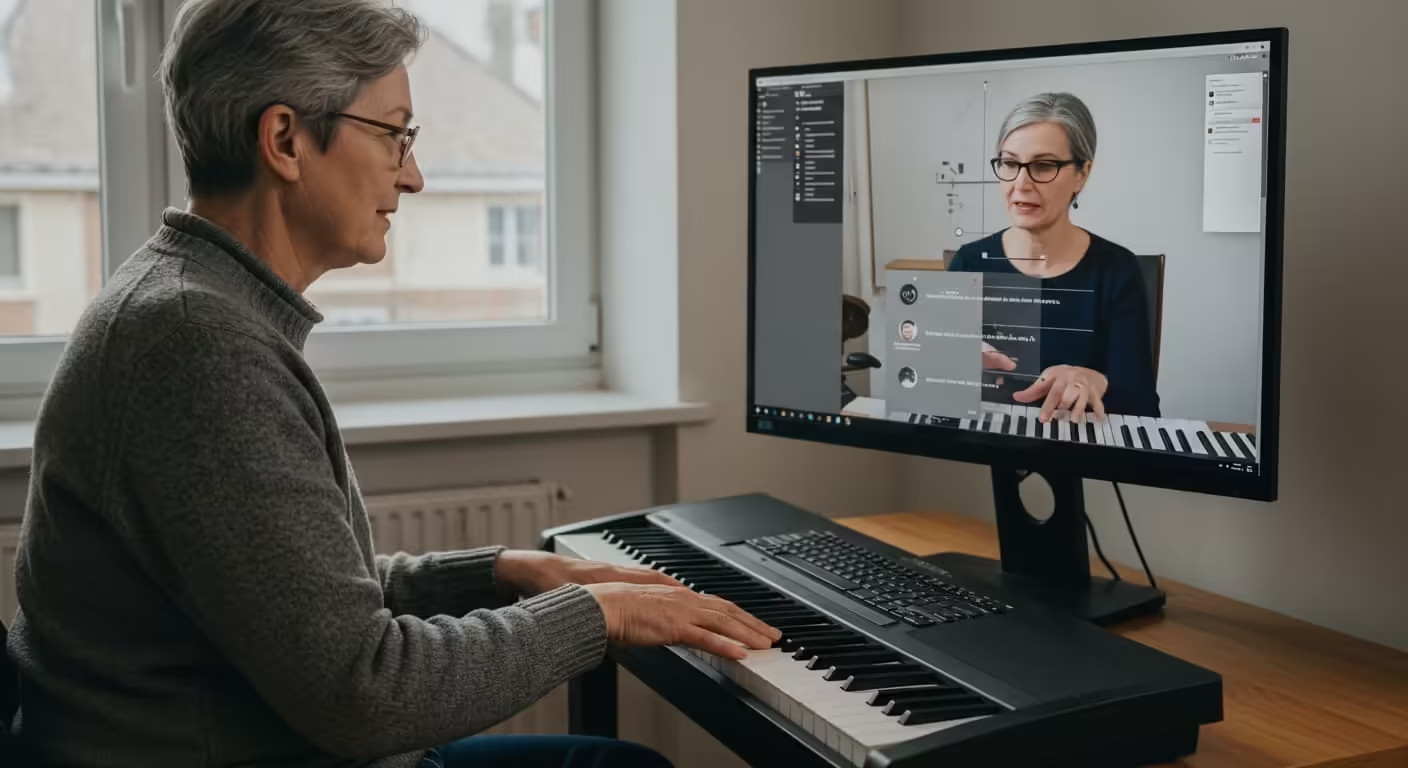
Learning to play the piano is fun and rewarding—it can bring you enjoyment for your whole life. Taking lessons from an experienced teacher helps you learn faster. However, finding the right online piano teacher can be challenging.
This guide will help you:
- Find a qualified virtual instructor who matches your:
- Musical interests
- Learning style
- Budget
| Finding the Right Teacher | Key Considerations | Tips for Success |
|---|---|---|
| Experience & teaching style | Musical interests | Use video recordings |
| Lesson planning approach | Learning style | Check credentials |
| Progress tracking methods | Budget | Assess technical setup |
| Personalized curriculum | Goals & objectives | Ask for feedback |
| Consistent practice schedule | Time commitment | Celebrate milestones |
| Background & qualifications | Preferred genres | Participate in recitals |
| Student reviews & testimonials | Learning pace | Focus on improvement |
Key Factors to Consider When Choosing a Teacher:
- Experience and Teaching Style:
- Look for a teacher with a background that matches your goals.
- Lesson Planning:
- Define what you want to learn and ensure lessons focus on your objectives.
- Progress Tracking:
- Keep track of improvements and celebrate milestones.
- Personalized Curriculum:
- Ensure lessons are tailored to your musical preferences.
- Consistent Practice Schedule:
- Stick to a regular schedule to maintain progress.
Pro Tips for a Successful Virtual Learning Experience:
- Use Video Recordings:
Review lessons later to reinforce key concepts. - Check Credentials:
Research the teacher’s qualifications to ensure they are skilled. - Assess Technical Setup:
Make sure the instructor’s platform and equipment allow for a smooth learning experience. - Ask for Feedback and Troubleshooting:
Don’t hesitate to ask your teacher for help with difficult sections.

Additional Steps for Motivation and Growth:
- Celebrate Milestones:
Stay motivated by acknowledging achievements, both big and small. - Participate in Recitals:
Showcase your progress by joining online or in-person recitals. - Focus on Continual Improvement:
Commit to refining your skills over time for long-term success.
Assessing Your Goals and Needs
Before you start looking, think about why you want to learn piano. Next, decide what you hope to achieve. Knowing your goals helps you choose the right teacher. This makes it easier to evaluate potential teachers.
- What musical genres and styles do you like the most? For example, classical, jazz, pop, or rock. Having a teacher who knows your favorite genres can customize your lessons better.
- How fast do you want to get better? If you want to learn quickly, find a teacher who knows fast online lessons.
- Can you commit to a consistent weekly lesson schedule? Consider your availability before contacting prospective teachers.
First, share your goals, the music you like, and how much time you have when you talk to teachers. This helps you succeed. Also, ask teachers detailed questions. This helps you find out if they are a good fit for you.
Defining Your Reasons for Learning
Examining what draws you to the piano can guide you to more compatible teachers. Are you:
- Looking to learn songs from your favorite artists and bands? If so, a teacher well-versed in pop, rock, or jazz arranging may suit you.
- Want to explore classical compositions? Instructors with conservatory training could be a great match.
- Seeking a creative emotional outlet? Trying out teachers adept at improvisation could be rewarding.
- Hoping to accompany your own singing? Finding one experienced in chord charting and arrangement would be beneficial.
There are many ways to play the piano. So, teachers have different specialties. For example, one teacher might be great at classical recital prep. Another teacher might help adults play piano to relax. Therefore, think about your personality, lifestyle, and why you want to learn. This will help you find a teacher that fits your needs.
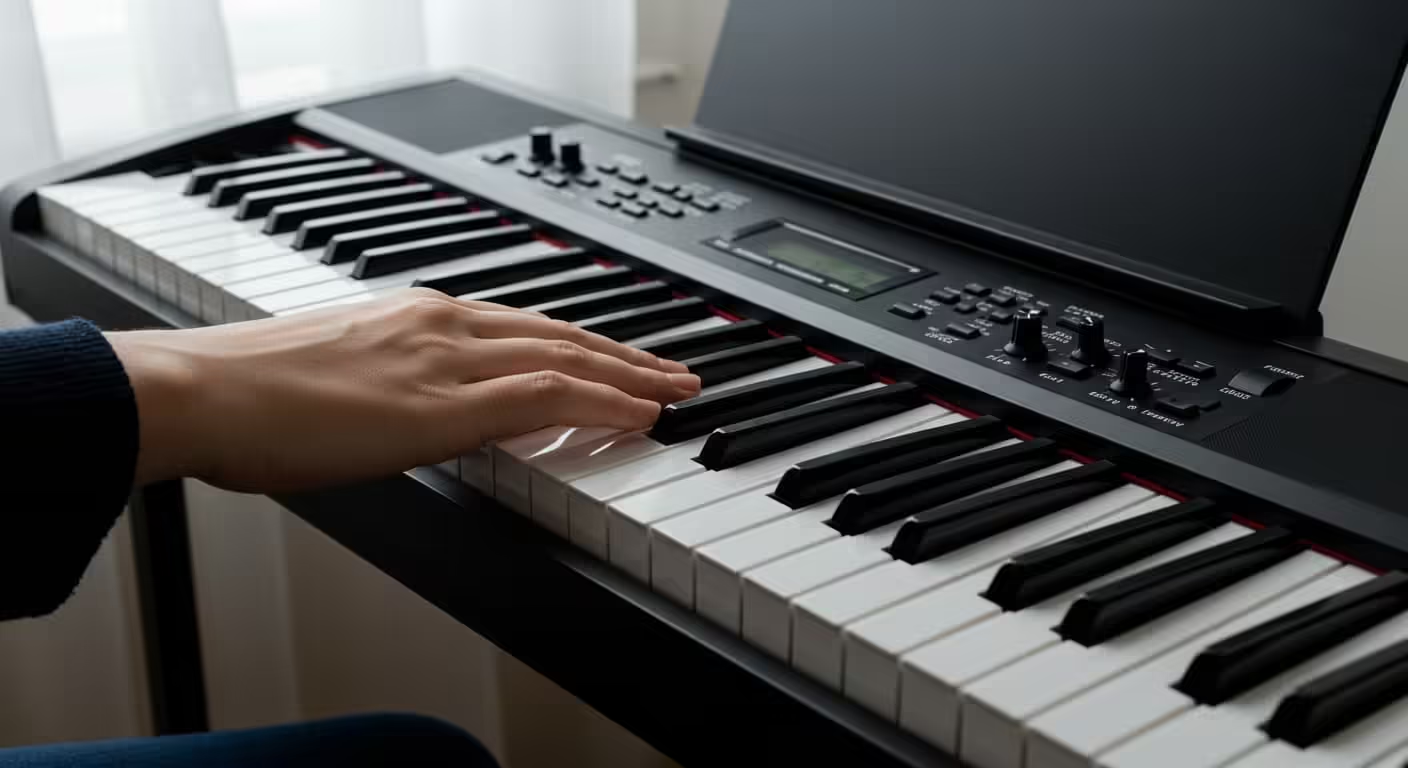
Considering Your Learning Style
How you best absorb new information also influences teacher compatibility. Learning styles differ significantly among students. Identifying yours will help determine an optimal pace and teaching approach.
- Do you prefer highly structured lessons or more freeform exploration?
- Is repetition to reinforce concepts helpful or tedious for you?
- Do you want teachers who are warmly supportive or rigorously challenging?
- Do you learn best through visual demonstrations, auditory explanations or kinetic hands-on practice?
Teachers can change how they teach to fit different learning styles. However, teachers who adapt to your preferences make learning easier. Therefore, choose instructors who can adjust to you.

Music Lessons in San Diego with K&M Music School
Expert Music Lessons
We offer Piano, Violin, Cello, Saxophone, Bassoon, Harp, Voice, and Toddler group lessons for students of all ages and skill levels.
Why Choose Us?
- 🎶 Boosts focus and self-discipline
- 🎵 Strengthens cognitive skills
- 🎼 Enhances cultural understanding
- 🎤 Builds confidence through recitals and performances
We Welcome Adults Too!
Book Your Free Lesson NowResearching Teacher Backgrounds
Online profiles and ratings make it easy to research piano teachers. Look for their background details. This will help you choose the right teacher.
- Musical Training: What degrees do they hold? Where did they study? Extensive musical education suggests strong foundational knowledge.
- Performance Experience: Have they played piano professionally or taught in traditional studios? This implies competence and stage presence.
- Online Student Reviews: Read testimonials on their website and profiles. Positive feedback indicates the ability to teach piano effectively online.
A teacher’s background is helpful, but don’t judge too quickly. Some are great at teaching online, even without fancy music degrees. So, have a video call first. This helps you see if your personalities and teaching styles match.
Interpreting Credentials
When assessing an instructor’s listed qualifications, here are key points to consider:
- A degree in piano performance or teaching shows great skill and knowledge. However, self-taught pianists can also be excellent teachers. So, consider both options.
- Conservatory training shows skill in classical music. However, it doesn’t always mean they know other genres like pop. So, ask about their range of styles.
- Teachers with public school experience are good at teaching kids and beginners. However, their methods might not work well for adult learners. So, make sure their teaching style fits your needs.
Previous experience teaching both online and in-person suggests adaptability in delivery. But strictly studio-based teachers can still effectively transition online.
View credentials as a starting point when evaluating teacher competency, not definitive proof. Some resume highlights will resonate more given your goals.
Checking Reviews
When you can, read testimonials from a teacher’s current or former students. Also, check reviews on sites like Google, Facebook, and lesson listings. These reviews give clear feedback. Then, see if the reviews often mention:
- Patient, encouraging teaching manner
- Ability to personalize curriculum and pace
- Deep musical knowledge
- Strong communication and accountability
No teacher is liked by everyone. However, if many reviews show the same things, you can see their strengths or weaknesses.
However, lacking online reviews isn’t a definitive red flag either. Some talented instructors simply invest less in marketing themselves this way. Be sure to balance review checks with direct interactions when evaluating fit.
Conclusion
Finding the right online piano teacher is key to enjoying your learning journey and making steady progress. By considering your goals, learning style, and teacher credentials, you can choose an instructor who fits your needs. Personalized lessons, consistent practice, and feedback will help you achieve your musical dreams.
Call to Action
Ready to unlock your musical potential? Kickstart your online piano journey today! Select a platform that fits your needs, create a dedicated practice space, and commit to consistent, focused sessions. The sooner you start, the sooner you’ll be playing your favorite songs and achieving your musical aspirations! Take the first step now and schedule your initial lesson. Sign up for a free trial lesson.
Frequently Asked Questions
How much do online piano lessons cost?
Lesson costs range from $35 to $100. It depends on the teacher’s experience, lesson length, and packages. So, set your budget before asking about lessons.
How long are online piano lessons?
Lessons typically range from 30-60 minutes. Beginners often start with 30 while more advanced students do 45-60. Lesson duration impacts cost.
What technical equipment is required?
You’ll need a piano/keyboard, laptop/tablet, reliable internet, webcam, and microphone. Many teachers also utilize sheet music apps.
How frequent are lessons?
Most students begin with 30-minute lessons each week. As they improve, they move to 45 minutes or an hour. Consistency is important to get better.
What results can I expect in 6 months?
If you practice regularly, you can play 2-3 simple songs in six months. Also, you will learn the basics of music.
What if I have more questions?
Contact prospective teachers for consultations. Communicating your goals helps find the best instructor fit.
How many teachers should I consult with?
It’s smart to trial 2-3 potential teachers before deciding. Comparing teaching approaches prevents buyer’s remorse.