
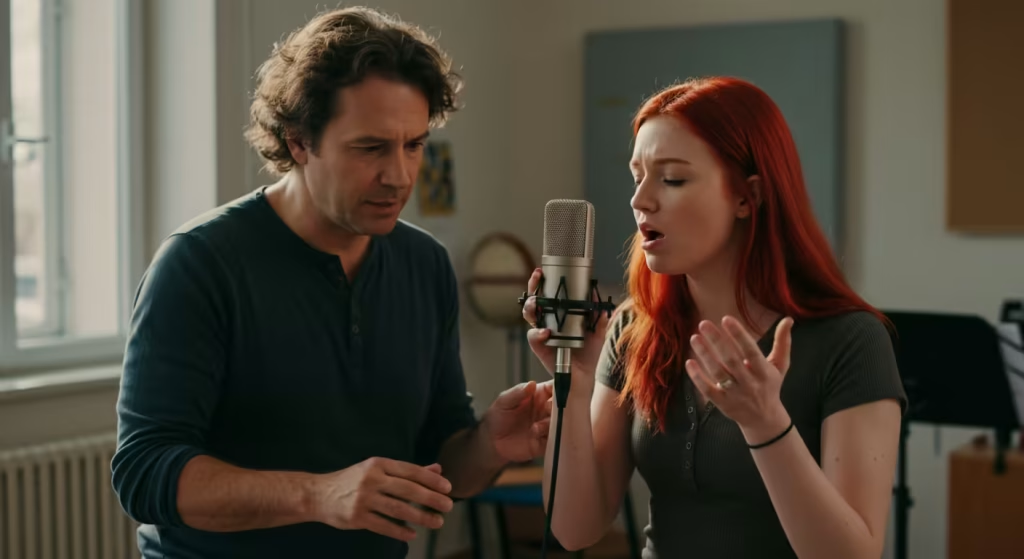
Voice care is for more than music class. Learn simple tips to protect your voice for speaking, schoolwork, and long-term health.
Students use their voices daily for class, talks, and friends. Most schools only teach voice care in music. Voice protection should go beyond singing. Healthy voices help kids succeed in school and social life. This guide demonstrates easy strategies for parents and teachers to use with all students.
Voice Care Tips
Breathing & Posture: Practice deep breathing and sit tall. Warm up for 5 minutes daily.

Hydration & Food: Drink 8–10 glasses of water. Avoid caffeine before speaking.
Speaking Habits: Don’t shout. Use microphones if available. Teachers should model good habits.
Rest & Recovery: Take voice breaks. Plan quiet times and use other ways to communicate.
Environment: Reduce classroom noise. Keep the air clean with good airflow.

Music Lessons in San Diego with K&M Music School
1 Expert Music Lessons
We offer Piano, Violin, Cello, Guitar, Ukulele, Saxophone, Bassoon, Harp, Voice, and Toddler group lessons for students of all ages and skill levels.
2 Why Choose Us?
- 🎶 Boosts focus and self-discipline
- 🎵 Strengthens cognitive skills
- 🎼 Enhances cultural understanding
- 🎤 Builds confidence through recitals
3 We Welcome Adults Too!
Why Voice Protection Education Goes Beyond Music Class
The Daily Voice Demands Students Face
Students use their voices constantly throughout the school day. Classroom presentations require clear speech projection. Group discussions demand active participation. Sports activities involve cheering and team communication. Social interactions during lunch and breaks add to the daily vocal load.
Modern education places new demands on student voices. Online learning requires extended speaking into microphones. Video calls create unique vocal strain patterns. Students often speak louder than necessary during virtual classes. These new challenges make voice protection education more important than ever.
Sarah was a high school senior. She lost her voice during college interviews. She had never learned proper speaking techniques. Her voice became hoarse after each interview. This experience could have been prevented with basic voice protection knowledge.
Common Voice Problems in Student Populations
Voice strain affects students across all grade levels. Elementary students often develop hoarseness from playground shouting. Middle school students face voice changes during puberty without proper guidance. High school students experience vocal fatigue from increased academic demands.
About 15% of students have voice problems each year. They may get hoarse or even damage their voice long-term. Most problems come from throat clearing, yelling, or bad breathing.
Teachers report increased voice-related absences during peak academic periods. Debate competitions, drama rehearsals, and sporting events create vocal stress peaks. Students miss important educational opportunities due to preventable voice problems.
Essential Voice Protection Techniques We Teach Students
Proper Breathing Methods for Daily Voice Use
Breathing forms the foundation of healthy voice production. Diaphragmatic breathing supports the voice naturally. This technique reduces strain on vocal cords during speaking. Students can learn this skill through simple exercises.
Place one hand on your chest and one on your stomach. Breathe so that only the lower hand moves. This activates the diaphragm muscle. Practice this technique for five minutes daily. Soon, it becomes automatic during speaking activities.
Quick breathing checks help students maintain good habits. Before presentations, take three deep diaphragmatic breaths. During long speaking tasks, pause for breath resets. These simple practices prevent vocal fatigue and improve speech quality.
Hydration Strategies That Actually Work
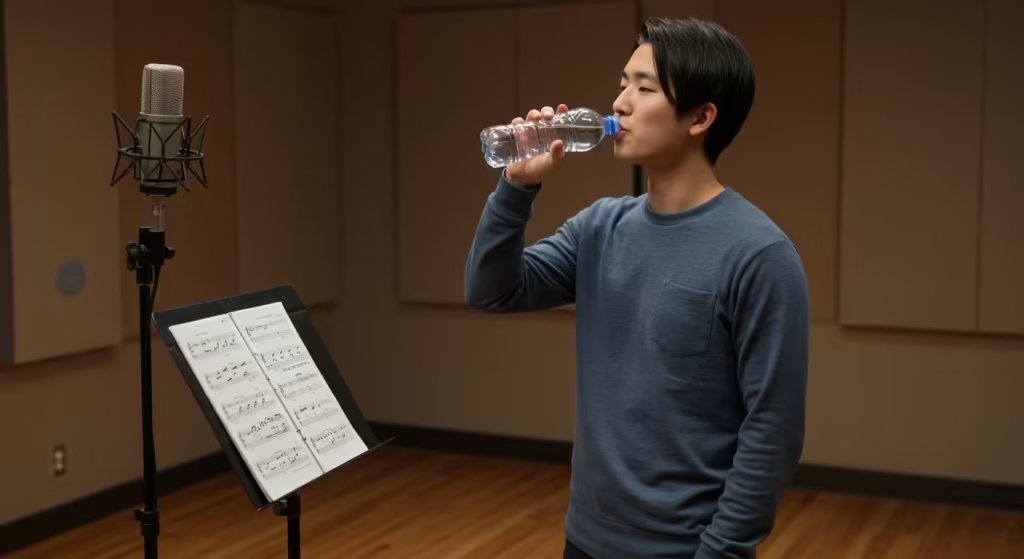
Proper hydration keeps vocal cords functioning smoothly. Students need 8-10 glasses of water daily for optimal voice health. Water should be consumed throughout the day, not just during meals. Room temperature water works better than ice-cold drinks.
Avoid dehydrating beverages before voice-intensive activities. Caffeine and alcohol can dry vocal tissues. Dairy products may increase mucus production. Energy drinks often contain voice-irritating ingredients.
Create hydration reminders that work for student schedules. Use phone apps to track water intake. Keep water bottles visible during classes. Make hydration breaks part of daily routines.
Good for voice: Room temp water, warm herbal tea, juicy fruits, throat coat tea.
Bad for voice: Iced drinks, caffeine, alcohol, dairy before speaking.
Best timing: Sip water all day, drink more after exercise, and hydrate in the morning.
Voice Warm-Up Routines for Every Student
Voice warm-ups prepare vocal cords for daily use. Simple humming exercises increase blood flow to vocal muscles. Lip trills help relax facial tension. These activities take just minutes but provide significant protection.
Start each school day with gentle voice preparation. Hum your favorite song on the way to school. Do lip trills during morning routines. Practice saying “Good morning” in different tones. These exercises awaken the voice gradually.
Cool-down activities help voices recover after heavy use. Gentle humming soothes tired vocal cords. Quiet reading allows voice rest. Deep breathing exercises promote relaxation. End each school day with voice recovery practices.
How Schools Can Integrate Voice Protection Into Curriculum
Voice Health Lessons Across Different Subjects
Science classes provide perfect opportunities to teach vocal anatomy. Students learn how vocal cords work during sound units. Biology lessons can include respiratory system connections to voice production. Physics classes explore sound waves and projection principles.
Health education naturally incorporates voice protection topics. Hygiene lessons can include vocal care practices. Nutrition units can address foods that support voice health. Physical fitness connections show how exercise affects breathing and voice strength.

English and communication classes benefit from voice protection integration. Public speaking units should include vocal technique instruction. Reading aloud activities can incorporate voice warm-ups. Drama and literature classes naturally connect to voice use and care.
Creating Voice-Friendly Classroom Environment
Environmental factors significantly impact vocal health. Classroom acoustics affect how loudly students must speak. Background noise forces voice strain during discussions. Poor air quality can irritate vocal tissues and cause problems.
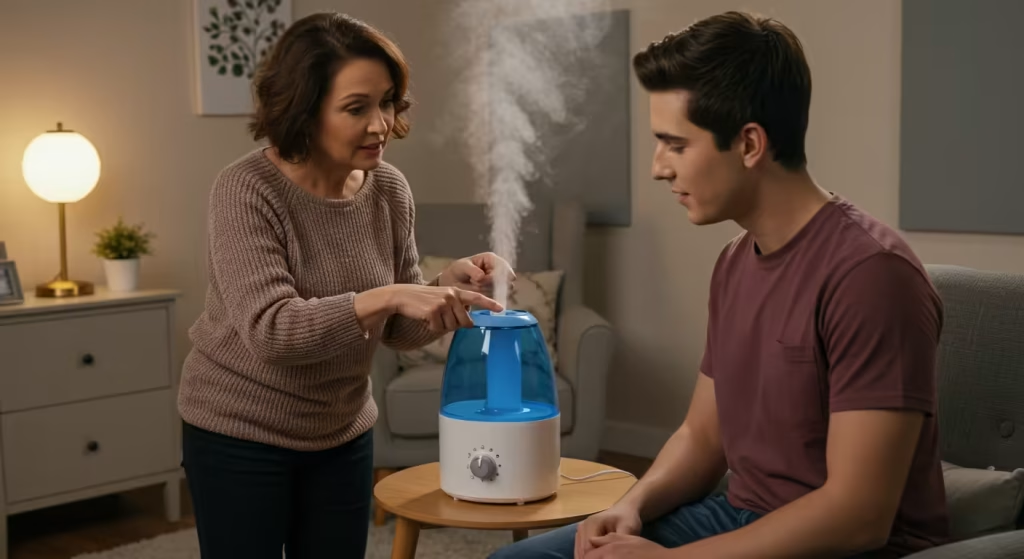
Reduce unnecessary noise sources in learning spaces. Use carpet or sound-absorbing materials to control echoes. Position students to minimize speaking distance. Provide microphone systems for large group activities.
Air quality improvements support voice health directly. Maintain proper humidity levels between 40-60%. Ensure adequate ventilation to remove irritants. Keep classrooms clean to reduce allergens. These changes benefit everyone’s vocal comfort.
Training Teachers to Model Good Voice Habits
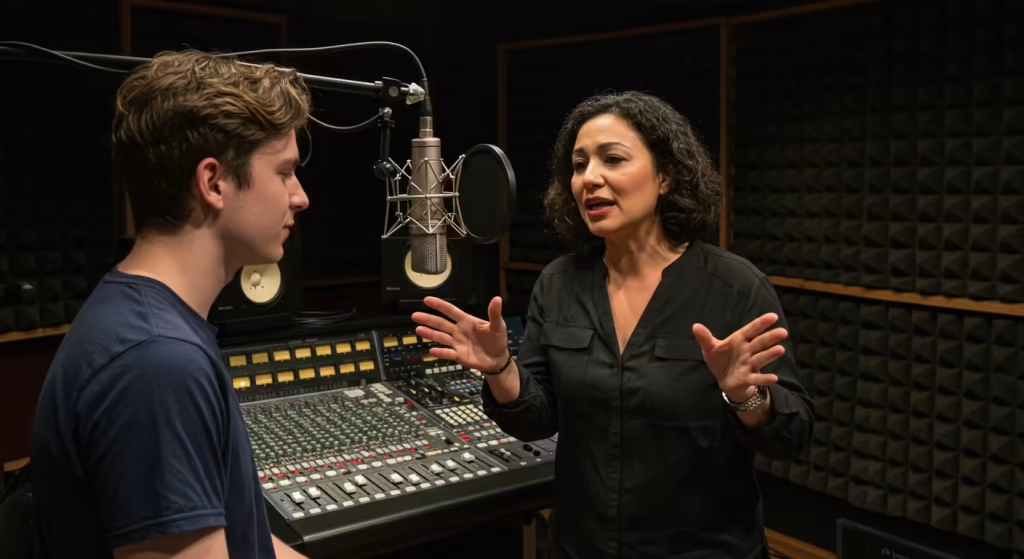
Teachers serve as primary role models for students. Their speaking habits influence student behavior patterns. Professional voice training for educators creates school-wide voice awareness. This investment benefits both staff and student populations.
Voice protection workshops should cover basic vocal anatomy. Teachers learn to recognize early signs of voice problems. Training includes practical techniques for classroom voice use. Ongoing support helps maintain healthy vocal practices.
Create school policies that support voice health. Provide microphone systems for large presentations. Schedule voice breaks during intensive teaching periods. Offer resources for teachers experiencing voice difficulties. These measures demonstrate institutional commitment to vocal wellness.
Age-Appropriate Voice Protection Strategies
Elementary School Voice Education (Ages 5-10)
Young students learn through play and demonstration. Voice protection games make learning enjoyable and memorable. Simple concepts work better than detailed explanations. Visual aids help children understand abstract voice concepts.
The “quiet mouse” and “big lion” game teaches volume control. Students practice different voice levels for different situations. Inside voices differ from playground voices. This concept helps prevent classroom voice strain.
Parent involvement amplifies voice education effectiveness. Send home simple voice care tips. Include families in voice protection activities. Create take-home materials that reinforce school lessons. Consistency between home and school improves habit formation.
Music Lessons in San Diego with K&M Music School
1 Expert Music Lessons
We offer Piano, Violin, Cello, Guitar, Ukulele, Saxophone, Bassoon, Harp, Voice, and Toddler group lessons for students of all ages and skill levels.
2 Why Choose Us?
- 🎶 Boosts focus and self-discipline
- 🎵 Strengthens cognitive skills
- 🎼 Enhances cultural understanding
- 🎤 Builds confidence through recitals
3 We Welcome Adults Too!
Middle School Voice Challenges (Ages 11-13)
Puberty creates unique voice protection needs for middle school students. Voice changes can cause confusion and self-consciousness. Boys experience obvious voice breaks and deepening. Girls may experience subtle changes in voice quality and range.
Address voice changes with sensitivity and accurate information. Explain that voice changes are a normal development. Provide strategies for managing voice breaks during speaking. Teach patience during the voice change process.
Peer pressure affects voice use patterns during adolescence. Students may adopt unhealthy speaking habits to fit in. Loud talking or vocal fry may seem socially desirable. Education should address these social influences directly.
High School Voice Demands (Ages 14-18)
High school students face increased voice demands from academic and social activities. College preparation includes presentation skills and interview techniques. Leadership roles require confident voice projection. Career preparation benefits from strong communication skills.
Advanced voice techniques become appropriate for older students. Breath support for sustained speaking helps during lengthy presentations. Microphone techniques prepare students for professional settings. Voice recovery strategies support busy academic schedules.
Long-term voice health planning becomes relevant for high school students. Career choices may involve significant voice use. Early voice protection habits prevent future problems. Students learn to make informed decisions about voice-intensive activities.
Practical Voice Protection Tools and Resources
Simple Assessment Tools Students Can Use
Self-monitoring helps students recognize voice fatigue early. Simple rating scales track daily voice comfort levels. Students note activities that cause voice strain. This awareness promotes better voice choices.
Create a daily voice check-in routine. Rate voice comfort from 1-10 each morning and evening. Note any changes in voice quality. Track activities that affect voice ratings. This data helps identify problem patterns.
Warning signs require immediate attention and possible professional help. Persistent hoarseness lasting more than two weeks needs evaluation. Pain during speaking indicates potential injury. Voice changes without a clear cause warrant medical assessment.
Voice Level 8–10: Clear and easy. Keep habits the same.
Voice Level 6–7: A little tired. Drink more water. Warm up.
Voice Level 4–5: Strained or hoarse. Rest and change activities.
Voice Level 1–3: Very uncomfortable. Voice breaks. See a doctor.
Technology and Apps That Support Voice Health
Modern technology offers helpful voice monitoring tools. Smartphone apps track speaking time and volume levels. Hydration reminder apps support voice health indirectly. Voice training applications provide guided exercises.
Recording tools help students assess their own voice quality. Simple phone recordings reveal speaking patterns. Students can identify areas for improvement. Progress tracking becomes possible with regular recordings.
Digital voice journals document voice health over time. Students record daily voice experiences. Patterns become visible through consistent tracking. This information helps healthcare providers if problems develop.
Creating Voice Emergency Plans
Voice emergencies require quick, effective responses. Students need clear action plans for voice problems. Alternative communication methods prevent further strain. Professional resources should be readily available.
Immediate voice rest helps acute voice problems. Complete silence for 24-48 hours often resolves minor strain. Alternative communication includes writing, gestures, and technology aids. School accommodations may be necessary during recovery periods.
Professional help becomes necessary for persistent problems. School nurses should recognize voice emergency signs. Speech-language pathologists provide specialized voice evaluations. Medical doctors rule out serious underlying conditions.
Special Considerations for Different Student Activities
Voice Protection for Student Athletes
Athletic activities create unique voice challenges for students. Cheering and team communication require voice projection. Outdoor sports expose voices to weather conditions. Post-game celebrations often involve excessive voice use.
Proper cheering techniques protect voices during sports events. Use diaphragmatic breathing for sustained cheering. Alternate between loud and quiet support methods. Clapping and stomping provide voice breaks during games.
Recovery strategies help athletes maintain voice health throughout sports seasons. Hydration becomes even more important during physical activity. Voice rest after games prevents cumulative strain. Winter sports require extra attention to cold air effects.
Supporting Students in Performance Arts
Drama and music students face intensive voice demands. Rehearsal schedules can overwhelm vocal capacity. Performance anxiety may increase voice strain. Cross-training helps build vocal stamina safely.
Balance speaking and singing voice use carefully. Alternate between voice-intensive and voice-light activities. Schedule adequate rest periods during intensive rehearsals. Monitor students for signs of vocal fatigue.
Performance recovery protocols help voices heal after shows. Complete voice rest for 24 hours post-performance works well. Gradual return to normal voice use prevents re-injury. Professional voice coaching benefits serious performers.
Voice Care for Student Leaders and Speakers
Student government, debate teams, and presentation competitions require strong voice skills. Public speaking without proper technique causes vocal damage. Leadership roles involve frequent voice-intensive activities.
Microphone technique training protects voices during public speaking. Proper distance and angle reduce strain significantly. Test sound systems before presentations. Backup plans help when technology fails.
Voice stamina building requires gradual progression. Start with short speaking sessions. Gradually increase duration over weeks. Include rest periods during long presentations. This approach prevents overuse injuries.
Building Long-Term Voice Health Habits

Making Voice Protection Part of Daily Routine
Successful voice protection requires consistent daily habits. Morning voice preparation sets the tone for healthy voice use. Midday check-ins help identify problems early. Evening recovery promotes overnight healing.
Morning voice rituals should become automatic. Gentle humming during breakfast awakens the vocal cords. Hydration starts immediately upon waking. Quick breathing exercises prepare for the day ahead.
Evening voice care promotes recovery and healing. Quiet activities allow voice rest. Humming or gentle singing soothes tired vocal cords. Hydration continues throughout the evening hours.
Family and Community Support Systems
Family involvement strengthens voice protection efforts significantly. Parents can model good voice habits at home. Siblings can participate in voice-friendly activities together. Consistent messaging between home and school improves results.
Community resources support comprehensive voice health programs. Local speech-language pathologists can provide school consultations. Healthcare providers can offer voice screenings. Community theater groups may share voice training expertise.
Creating voice-conscious school culture takes time and consistent effort. Celebrate voice health achievements publicly. Recognize students who demonstrate good voice habits. Make voice protection a shared community value.
Common Voice Protection Myths and Facts
Debunking Popular Voice Care Misconceptions
Many voice protection myths persist despite scientific evidence. Whispering actually strains the vocal cords more than normal speaking. Hot tea may provide temporary comfort, but it doesn’t heal voice problems. Clearing your throat repeatedly causes more irritation.
Myth: Only singers need to worry about voice protection.
Fact: Everyone who speaks regularly benefits from voice protection techniques.
Myth: Shouting occasionally doesn’t hurt your voice.
Fact: Even brief episodes of voice abuse can cause lasting damage.
Myth: Voice problems are just part of getting older.
Fact: Many voice problems are preventable with proper care and technique.
Evidence-Based Voice Protection Methods
Scientific research supports specific voice protection strategies. Hydration significantly improves vocal cord function. Proper breathing technique reduces vocal strain measurably. Voice rest allows tissue healing and recovery.
Studies show that voice education programs reduce student voice problems by 40%. Schools with comprehensive voice protection see fewer voice-related absences. Long-term follow-up demonstrates the lasting benefits of early voice education.
Medical professionals consistently recommend prevention over treatment for voice problems. Early intervention prevents minor issues from becoming major problems. Consistent voice protection habits provide lifelong benefits.
Implementation Guide for Educators
Starting a Voice Protection Program at Your School
Administrative support ensures program success and sustainability. Present voice protection as a health and academic performance issue. Share research on student voice problems and prevention benefits. Request modest funding for basic program materials.
Budget considerations make programs accessible to all schools. Many effective voice protection strategies cost nothing to implement. Basic materials like water bottles and simple handouts require minimal investment. Professional consultations can be scheduled annually rather than ongoing.
Training requirements vary based on program scope and goals. Basic voice awareness training takes just a few hours. More comprehensive programs may require weekend workshops. Online resources supplement in-person training effectively.
Customizing Voice Education for Your Student Population
Different student populations require adjusted voice protection approaches. Urban schools may need to address environmental noise factors. Rural schools might focus on outdoor activity voice protection. Private schools may have different resource availability.
Cultural considerations affect voice protection education effectiveness. Some cultures emphasize quiet speaking, others value enthusiastic vocal expression. Language differences may require translated materials. Respect cultural norms while promoting voice health.
Special needs students may require modified voice protection approaches. Students with hearing impairments may speak more loudly than necessary. Autism spectrum students might need different sensory approaches. Individualized education plans can include voice protection goals.
Frequently Asked Questions About Student Voice Protection
Q: How early should children learn voice protection?
A: Voice protection education can begin as early as preschool. Simple concepts like “inside voices” and “outside voices” introduce voice awareness. Formal voice protection education works well starting in kindergarten.
Q: What should students do if they lose their voice?
A: Complete voice rest for 24-48 hours usually resolves temporary voice loss. Avoid whispering, which strains vocal cords. Increase hydration and use alternative communication methods. Seek medical attention if voice loss persists beyond a week.
Q: Can voice exercises prevent problems?
A: Yes. They cut problems by up to 40%. Daily habits work best. Even drinking more water helps.
Q: How much water do students really need for voice health?
A: Students should drink 8-10 glasses of water daily for optimal voice health. Active students and those in dry climates need additional hydration. Room temperature water works better than ice-cold beverages.
Q: Should schools invest in microphone systems?
A: Microphone systems significantly reduce voice strain for teachers and students. Even basic amplification systems provide substantial benefits. The investment pays for itself through reduced voice-related sick days.
Take Action Today
Ready to protect your students’ voices? Start with simple steps that make a real difference. Encourage daily water breaks, teach basic breathing exercises, and create quieter classroom environments. Every small change helps prevent voice problems and builds lifelong healthy habits. Your students’ academic success and future careers depend on the voice protection foundation you provide today—begin this week and watch the positive impact unfold. Sign up for a free trial lesson.
Conclusion
Teaching kids to care for their voice helps them for life. Strong voices mean better school success and future jobs. Every student should learn voice care.
Healthy voices matter in class, talks, and interviews. Good habits support learning and confidence. Schools can use simple, proven steps.
Start with water reminders and breathing practice. Later, add quiet rooms and better air. Voice care builds skills, lowers health risks, and helps students do better in school.
Ready to protect student voices at your school? Begin today with simple hydration awareness and basic voice warm-ups. Contact local speech-language pathologists for program development support. Your students’ voices depend on the actions you take now.