
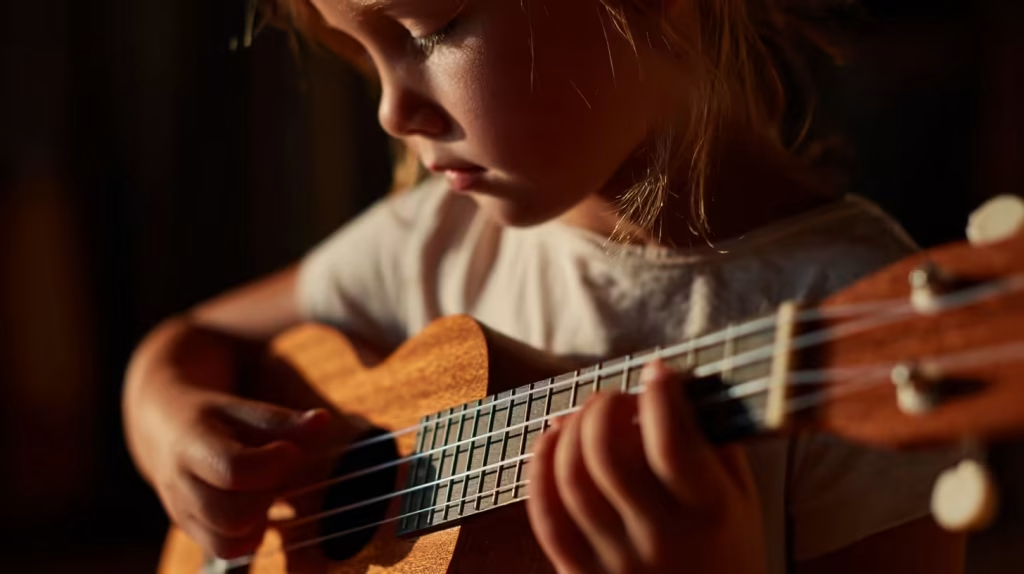
Kids ukulele lessons help children become confident musicians. They also build important rhythm skills. These beginner lessons are great for ages 6–10. Children explore music in a fun way. They learn both technical skills and self-confidence.
Ukulele lessons help you build confidence quickly. You will take 30-minute lessons each week. Pick a soprano ukulele. Learn rhythm and timing. Start with 3–4 basic chords. Practice simple strumming patterns. A ukulele is great for small hands. Plan to spend $50–$100 on your instrument. You can play songs within a month. Practice 10–15 minutes every day. Take a trial lesson to find a good teacher. Choose group or private lessons. Make a practice space at home. Lessons also help improve thinking and social skills.
Kids ukulele lessons are great for young learners. The small four-string instrument fits small hands and is perfect for ages 6–10. It makes a nice sound right away, giving kids quick success and motivation to keep learning.
Some parents wonder if kids are ready at this age. Ukulele lessons show they can start early. Children as young as six can learn basic chords and strumming in weeks.

Music Lessons in San Diego with K&M Music School
1 Expert Music Lessons
We offer Piano, Violin, Cello, Guitar, Ukulele, Saxophone, Bassoon, Harp, Voice, and Toddler group lessons for students of all ages and skill levels.
2 Why Choose Us?
- 🎶 Boosts focus and self-discipline
- 🎵 Strengthens cognitive skills
- 🎼 Enhances cultural understanding
- 🎤 Builds confidence through recitals
3 We Welcome Adults Too!
Why Choose Ukulele Lessons for Young Children?
Perfect Size for Small Hands
The ukulele is a great first instrument for kids ages 6–10. It needs little finger stretching and has a comfortable hand position. Most soprano ukuleles are 21 inches long, making them the right size for young learners.
Kids can easily hold the small body of the ukulele. Their fingers can reach all the frets without strain. The soft nylon strings are gentle on fingers, unlike steel guitar strings that can cause pain.
The ukulele is light, so kids can hold it for a full lesson. This makes learning comfortable and fun. It also helps them stay focused.
Quick Learning Curve
Kids learn strumming fast because the rhythm feels natural. Ukulele uses simple chord charts that are easy to follow.
Most kids can play songs like “Twinkle, Twinkle” or “Happy Birthday” in the first month. This quick progress keeps them excited to practice.
Ukuleles are also affordable. Good beginner ones cost $40–75. Violins cost $200–500, and keyboards cost $300–800.
Ukulele strings cost $5–10 to replace and last 6–12 months. They need little maintenance, with no professional tuning or expensive repairs.
This low cost makes ukulele lessons affordable for most families. Parents can give kids quality music education without spending too much.
Benefits of Kids Ukulele Lessons for Ages 6–10
Building Musical Confidence

Kids ukulele lessons give many chances for success and confidence. Each small win, like learning a chord or playing a first song, builds belief in their skills.
Group lessons let kids play for friends in a safe space. These performances help them beat stage fright and celebrate progress. Family concerts at home give more chances to show skills.
The ukulele is forgiving, so mistakes sound softer than on other instruments. Kids feel safe to try new things, which helps them grow creatively and gain confidence.
Confidence-Building Activities in Ukulele Lessons:
- Solo performances for classmates
- Family sing-alongs at home
- Recording practice sessions
- Participating in group songs
- Leading simple chord progressions
Developing Rhythm and Timing
Rhythm is a big part of kids ukulele lessons. Children first learn steady beats by clapping before playing the instrument. This helps them understand timing naturally.
Strumming patterns teach different rhythms, like quarter notes, eighth notes, and syncopation. Playing with backing tracks helps kids build good timing and a strong musical pulse.
Many ukulele teachers add movement and dancing to lessons for younger kids. This hands-on approach helps kids ages 6–10 learn musical timing better than just theory.
Cognitive Development Advantages
Music lessons help the brain grow. Ukulele lessons improve memory, pattern skills, and thinking. These skills also help in school.
Learning chord progressions trains memory by remembering finger positions and changes. Reading chord charts builds visual skills like reading text. Coordinating strumming with chord changes improves multitasking.
Ukulele music theory also teaches math. Kids learn fractions from note values. They learn patterns from chord progressions. They also learn counting from rhythm exercises.
Cognitive Skills Enhanced by Ukulele Lessons:
- Working memory improvement
- Pattern recognition abilities
- Hand-eye coordination
- Mathematical concept understanding
- Auditory processing skills
- Focus and attention span
Social and Emotional Growth
Group ukulele lessons provide valuable social learning opportunities for children ages 6–10. Kids learn to listen to others, take turns, and work together to create music. These collaborative skills transfer directly to classroom and playground interactions.
Sharing music with family members strengthens emotional bonds and creates lasting memories. Children take pride in teaching parents simple songs or performing at family gatherings. Additionally, music provides healthy emotional outlets for expressing feelings and creativity.
Learning an instrument teaches kids patience and persistence as they practice hard parts. They learn that consistent practice makes them better. This also builds life skills that go beyond music.
What to Expect in Kids Ukulele Lessons
First Lesson Structure
The first ukulele lesson helps kids get comfortable with the instrument. Teachers spend 10–15 minutes showing how to hold it and learn its parts.
Simple strumming on open strings teaches the motion without using chords. Kids learn to hold a pick or use fingerstyle based on their age and hand size.
Goal setting is also important. Teachers help kids pick songs they want to learn, which keeps them motivated. Most start with simple, familiar songs kids already know and love.
Typical First Lesson Activities:
- Instrument parts identification
- Proper holding position practice
- Basic strumming motion
- Tuning demonstration
- Simple rhythm exercises
- Song goal discussion
Weekly Lesson Progression
Kids ukulele lessons usually last 30 minutes, which works well for ages 6–10. Lessons start with tuning practice to help kids learn pitch and how to care for their instrument.
Warm-ups can include reviewing chords, practicing strumming, or playing familiar songs. New material is taught in the middle of the lesson when kids focus best.
Lessons end with fun games or duets with the teacher. Sometimes kids record their practice. This makes them excited to return and practice at home.
Home practice depends on age. Kids ages 6–7 should practice 10–15 minutes daily. Kids ages 8–10 should practice 15–20 minutes. Teachers give practice charts and goals to help families stay consistent.
Essential Skills Taught
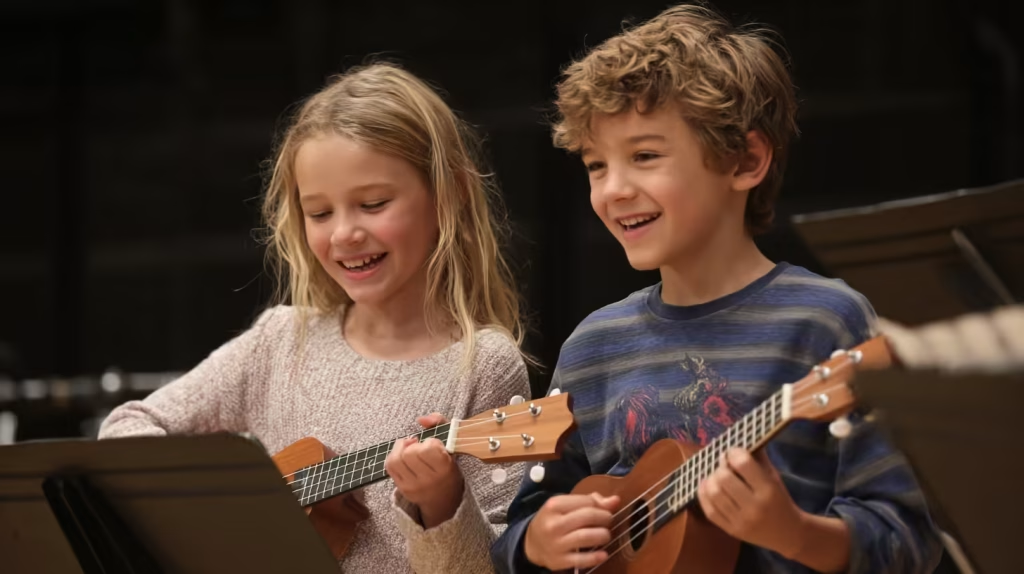
Beginning ukulele students learn three main chords: C major, F major, and G major. These chords are the base for hundreds of songs and give lots of practice.
Strumming starts with down-strokes. Then kids add up-strokes and rhythm changes. They match strumming to different song styles.
Ukulele tabs make reading music easier than sheet music. Chord charts show finger spots and how to switch chords.
Learning Timeline:
- Months 1–2: Learn to hold the uke, learn C, F, and G chords, practice simple strums and open strings
- Months 3–4: Practice smooth chord changes, add new chords and rhythms, start basic fingerpicking
- Months 5–6: Play more songs, prepare for a small performance, add simple creativity and learn basic music theory
Music Lessons in San Diego with K&M Music School
1 Expert Music Lessons
We offer Piano, Violin, Cello, Guitar, Ukulele, Saxophone, Bassoon, Harp, Voice, and Toddler group lessons for students of all ages and skill levels.
2 Why Choose Us?
- 🎶 Boosts focus and self-discipline
- 🎵 Strengthens cognitive skills
- 🎼 Enhances cultural understanding
- 🎤 Builds confidence through recitals
3 We Welcome Adults Too!
Choosing the Right Ukulele for Your Child
Size Considerations for Ages 6–10
Soprano ukuleles are best for kids ages 6–10. They are about 21 inches long, with fret spacing that fits small fingers.
Concert ukuleles are 23 inches long and work better for bigger kids or those with longer arms. Most 6–8 year olds find them a little too large.
Parents should let kids try different sizes before buying. The child should hold it comfortably and press the frets without straining.
Budget-Friendly Options
Quality starter ukuleles do not cost much. Many good ones are $40–75 and have good sound and stable tuning.
Recommended Starter Ukulele Brands:
- Kala KA-15S ($50–60): Great build quality and stays in tune
- Mahalo Rainbow Series ($35–45): Colorful options kids enjoy with decent sound
- Cordoba 15CM ($60-75): Superior tone quality, durable construction
- Luna Vintage Mahogany ($55-70): Beautiful appearance, warm tone
- Diamond Head DU-150 ($40-50): Great value, reliable performance
Avoid very cheap ukuleles under $25. They often have tuning problems and bad sound that frustrate kids. Spending a little more saves money later and keeps kids motivated.
A digital tuner is essential for kids ages 6–10. They cannot tune by ear, so electronic tuners make sure the ukulele sounds right. Clip-on tuners work best.
Protective cases keep the ukulele safe during travel and storage. Soft gig bags cost $15–25 and work well for most kids. Hard cases give the best protection but may be too expensive for beginners.
Music stands help kids keep good posture while reading chord charts. However, many kids prefer watching the teacher instead of reading at first.
Finding Quality Kids Ukulele Lessons
In-Person vs. Online Lessons
In-person ukulele lessons work best for kids ages 6–10. They give direct help and quick feedback.
Online lessons are still useful. Many kids do in-person lessons and use videos for extra practice at home.
Sometimes online lessons are the only option. If so, make sure you have good internet, a clear camera, and a parent to help during lessons.
In-Person Lesson Advantages:
- Immediate posture corrections
- Hands-on finger positioning help
- Better attention management
- Social interaction with other students
- Reduced screen time for young eyes
Online Lesson Benefits:
- Scheduling flexibility
- No transportation required
- Recorded lessons for review
- Access to specialized instructors
- Lower cost options available
Qualified Instructor Qualities
Good kids ukulele teachers know both music and child development. Look for teachers with music training and experience teaching young children.
Patience and enthusiasm are very important. Kids ages 6–10 learn at different speeds and have different attention spans. Great teachers adjust their methods to each child’s needs.
Ask teachers about their style and experience with kids. Get parent references and watch a sample lesson first.
Group lessons are cheaper and more social. Kids learn with friends and encourage each other.
Private lessons give one-on-one help. Teachers can fix problems and match the lesson to each child.
Some programs mix both styles. Group lessons give social benefits, and private lessons build specific skills.
Supporting Your Child’s Musical Journey
Creating Practice Routines
Daily practice matters most. Just 10–15 minutes a day works better than one long session a week.
Establish practice times that work with your family’s schedule. Many children practice best right after school before other activities begin. Others prefer practicing before bedtime as a calming routine.
Make practice time enjoyable rather than forced. Play along with your child, sing together, or create mini-concerts for family members. Positive associations with practice time encourage long-term commitment to music.
Effective Practice Routine Elements:
- Same time each day
- Dedicated practice space
- All materials easily accessible
- Parental encouragement and interest
- Regular practice goals and rewards
- Fun activities mixed with skill building
Home Environment Setup
Make a practice spot at home. Keep the ukulele out and easy to reach. If it stays in storage, kids practice less.
Good lighting and comfortable seating help kids focus during practice. A music stand can help them keep good posture while reading chord charts.
Record practice sessions sometimes. Kids enjoy hearing their progress, and recordings show what they can improve.
Encouraging Performance
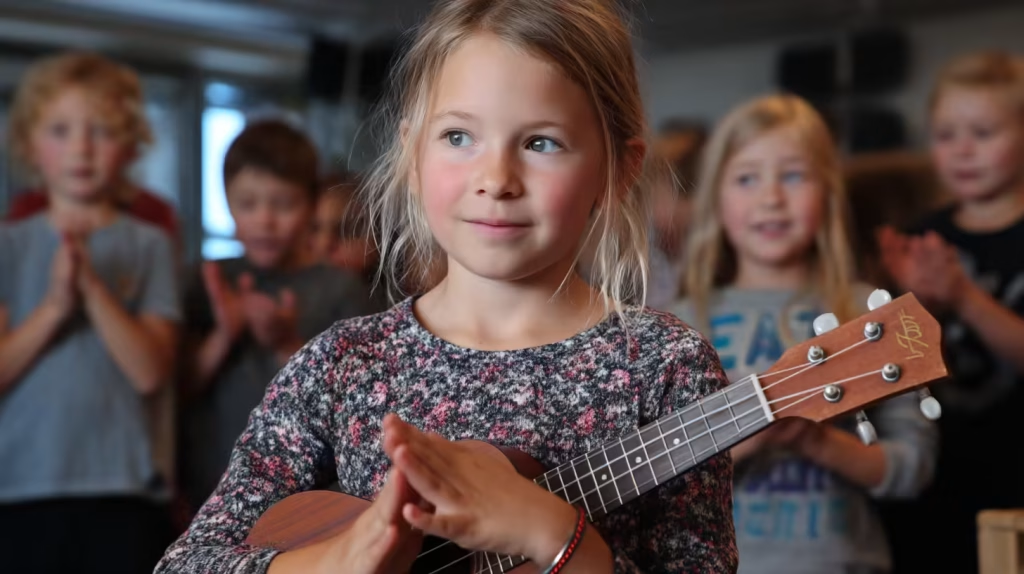
Regular performance opportunities build confidence and provide goals for practice motivation. Start with informal family concerts where children play for parents, siblings, and grandparents.
Recording performances makes lasting memories and shows progress over time. Share the videos with family who live far away to grow your child’s audience and support.
Common Challenges and Solutions
Finger Soreness and Technique Issues
Finger soreness is normal in the first weeks of ukulele lessons. Nylon strings are softer than guitar strings, but calluses still take time to build.
Short, frequent practice is better than long sessions. Five minutes a few times a day works best.
If soreness lasts more than a month or is very strong, ask the teacher about finger position and pressure.
Solutions for Common Technique Problems:
- Buzzing strings: Check finger pressure and positioning
- Muffled chords: Ensure fingers arch over strings properly
- Difficulty reaching frets: Consider smaller ukulele size
- Inconsistent strumming: Practice with metronome or backing tracks
- Quick chord changes: Slow down transitions, focus on accuracy first
Motivation and Practice Consistency

Maintaining practice motivation can be challenging, especially after the initial excitement wears off. Set small, achievable goals that provide regular success experiences for your child.
Create practice charts or apps where children can track their daily practice time. Visual progress tracking motivates many young learners and helps establish consistent routines.
Join group activities like school music programs, kids’ choirs, or ukulele groups. These give your child a chance to play with other young musicians.
Progressing Beyond Beginner Level
Intermediate skills include fingerpicking, harder strumming patterns, and playing songs in different keys. Some kids may want to learn guitar or bass after starting with ukulele.
Join group activities like school music programs, kids’ choirs, or ukulele groups. These give your child a chance to play with other young musicians.
Frequently Asked Questions About Kids Ukulele Lessons
Age and Readiness Questions
Q: Is 6 too young for ukulele?
A: No. The ukulele is small and easy, so kids learn fast.
Q: How do I know if my child is ready?
A: If they can sit 15–20 minutes, listen, and like music, they are ready.
Q: What if my child has a short attention span?
A: Good teachers use games, movement, and variety to keep kids focused.
Lesson Logistics
Q: How long should lessons be for young children?
A: Thirty minutes works well for most children ages 6–10. Younger children (6-7) might benefit from 20-minute lessons initially.
Q: How often should my child take lessons?
A: Weekly lessons provide the best balance of new instruction and practice time. Some families choose bi-weekly lessons with more home practice.
Q: Should we continue lessons during summer breaks?
A: Continuing lessons during summer helps maintain skills and momentum. Many teachers offer flexible summer scheduling or intensive mini-camps.
Progress and Expectations
Q: When will my child be able to play complete songs?
A: Most children play simple songs within 4-6 weeks of starting lessons. Complex songs with multiple chords take 2-3 months to master.
Q: How much practice time is needed daily?
A: Ages 6-7: 10-15 minutes daily. Ages 8-10: 15-20 minutes daily. Quality focused practice matters more than quantity.
Q: When will my child feel ready to perform?
A: It depends on the child. Some play for family in weeks. Others need months to feel ready.
Success Stories: Real Kids, Real Progress
Confidence Transformation Examples
Emma started ukulele at age 7. She was very shy but became confident in six months. She led family sing-alongs and performed at her school talent show.
Marcus was 8 and had trouble focusing. Ukulele lessons gave him energy and creativity. His parents saw better focus and behavior at home and school.
Sofia was 10 and had stage fright. Group ukulele lessons helped her gain confidence. Now she leads her school music club and plans to join the jazz band.
Musical Milestone Celebrations
Recording first songs creates special memories for families. Parents often share videos with grandparents and relatives. This support helps kids stay motivated to keep learning music.
Family concerts can become a fun tradition. Kids enjoy teaching parents simple songs or performing for relatives during holidays. These moments strengthen family bonds and celebrate musical progress.
Moving to intermediate lessons is a big step. Kids who know basic chords and strumming may try new instruments. They may also want to join school music programs.
Music Lessons in San Diego with K&M Music School
1 Expert Music Lessons
We offer Piano, Violin, Cello, Guitar, Ukulele, Saxophone, Bassoon, Harp, Voice, and Toddler group lessons for students of all ages and skill levels.
2 Why Choose Us?
- 🎶 Boosts focus and self-discipline
- 🎵 Strengthens cognitive skills
- 🎼 Enhances cultural understanding
- 🎤 Builds confidence through recitals
3 We Welcome Adults Too!
Getting Started with Kids Ukulele Lessons Today
First Steps for Parents
Check local music schools, community centers, or private teachers for kids’ ukulele lessons. Read reviews and ask other parents for advice.
Many teachers offer trial lessons or meetings to show their style and check your child’s comfort. Use these opportunities before starting regular lessons.
Visit local music stores to look at different ukuleles. Get expert advice to choose one that fits your child’s size and budget.
Preparing Your Child
Listen to ukulele music together to build excitement. Watch kid-friendly performances online. Artists like Grace VanderWaal or Jake Shimabukuro can inspire kids.
Explain what will happen in lessons. Talk about practice and why attendance matters. Set clear goals and ask what songs your child wants to learn.
Create a special practice space at home with the ukulele and accessories ready to use. Having everything set up makes it easier to practice often.
Pre-Lesson Preparation Checklist:
- Research qualified local instructors
- Schedule trial lesson or consultation
- Select appropriate ukulele size and budget
- Set up practice space at home
- Discuss goals and expectations with child
- Establish practice routine and schedule
- Gather necessary accessories (tuner, case, stand)
Conclusion
Kids ukulele lessons give a strong start in music that goes beyond just playing. Children ages 6–10 gain confidence, rhythm skills, and thinking skills that help them for life.
Quick success, low cost, and fun challenges make ukulele lessons great for kids. Parents often notice better grades, stronger social skills, and more emotional growth.
Starting with ukulele lessons can create a love for music that lasts a lifetime. Early lessons give kids important skills. They also build confidence. These benefits last whether kids keep playing ukulele or switch to another instrument.
It’s exciting to see your child play their first song, perform for family, or lead a sing-along. Kids ukulele lessons are a rewarding investment. Give your child the gift of music and watch their confidence grow with the ukulele.