Group vs private piano lessons: compare cost, benefits, and learning style. Choose the best option for your music journey.
Choosing between group and private piano lessons is important. It affects how fast you learn, how much you pay, and how much you enjoy it.
Private lessons give personal help and flexible speed. Group lessons give social interaction and lower cost. Knowing the differences helps you pick the best option for your goals and budget.

Music Lessons in San Diego with K&M Music School
1 Expert Music Lessons
We offer Piano, Violin, Cello, Guitar, Ukulele, Saxophone, Bassoon, Harp, Voice, and Toddler group lessons for students of all ages and skill levels.
2 Why Choose Us?
- 🎶 Boosts focus and self-discipline
- 🎵 Strengthens cognitive skills
- 🎼 Enhances cultural understanding
- 🎤 Builds confidence through recitals
3 We Welcome Adults Too!
Quick Comparison: Group vs Private Piano Lessons
Private lessons are best for focused learners or competitive students. They give personal help, flexible schedules, and fast progress.
Group lessons are best for social learners, beginners, or families on a budget. They cost less, give peer support, and lower stage fright.
Hybrid lessons are best for flexible or intermediate students. They mix personal help with social benefits.
What Are Private Piano Lessons?

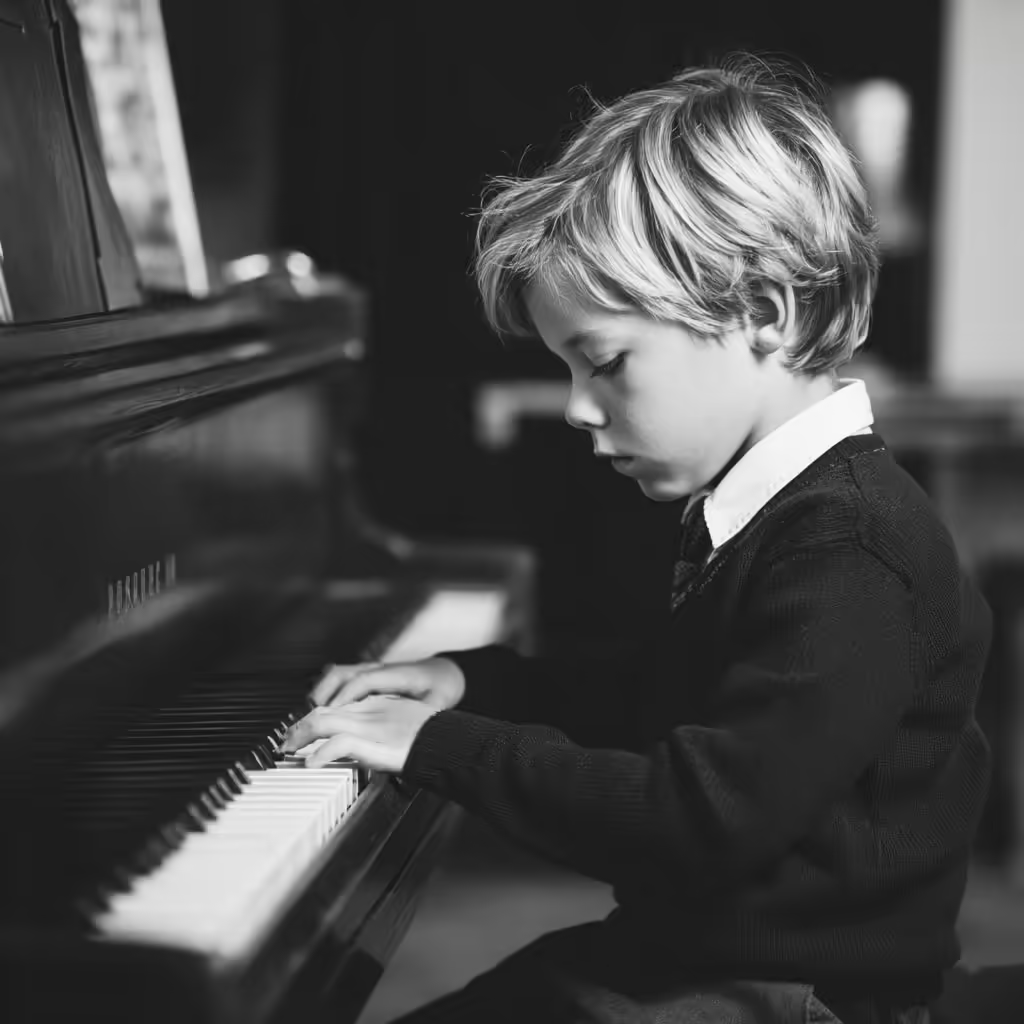
Private piano lessons involve one-on-one instruction between a student and teacher. This format provides complete focus on individual needs and learning pace. Most private lessons last 30 to 60 minutes and occur weekly in a studio, home, or online setting.
The teacher makes a plan based on the student’s goals and skills. Students get quick feedback and can ask questions anytime. This personal help fixes technique and speeds up learning.
How Private Piano Instruction Works
Private piano teachers assess each student’s abilities during the first lesson. They then design a learning plan that matches the student’s pace and preferences. Lessons typically include technique exercises, music theory, and song practice.
Teachers can adjust the difficulty level instantly if a student struggles or excels. This flexibility helps prevent frustration and maintains steady progress. Many private instructors also prepare students for recitals, competitions, and music exams.
What Are Group Piano Lessons?
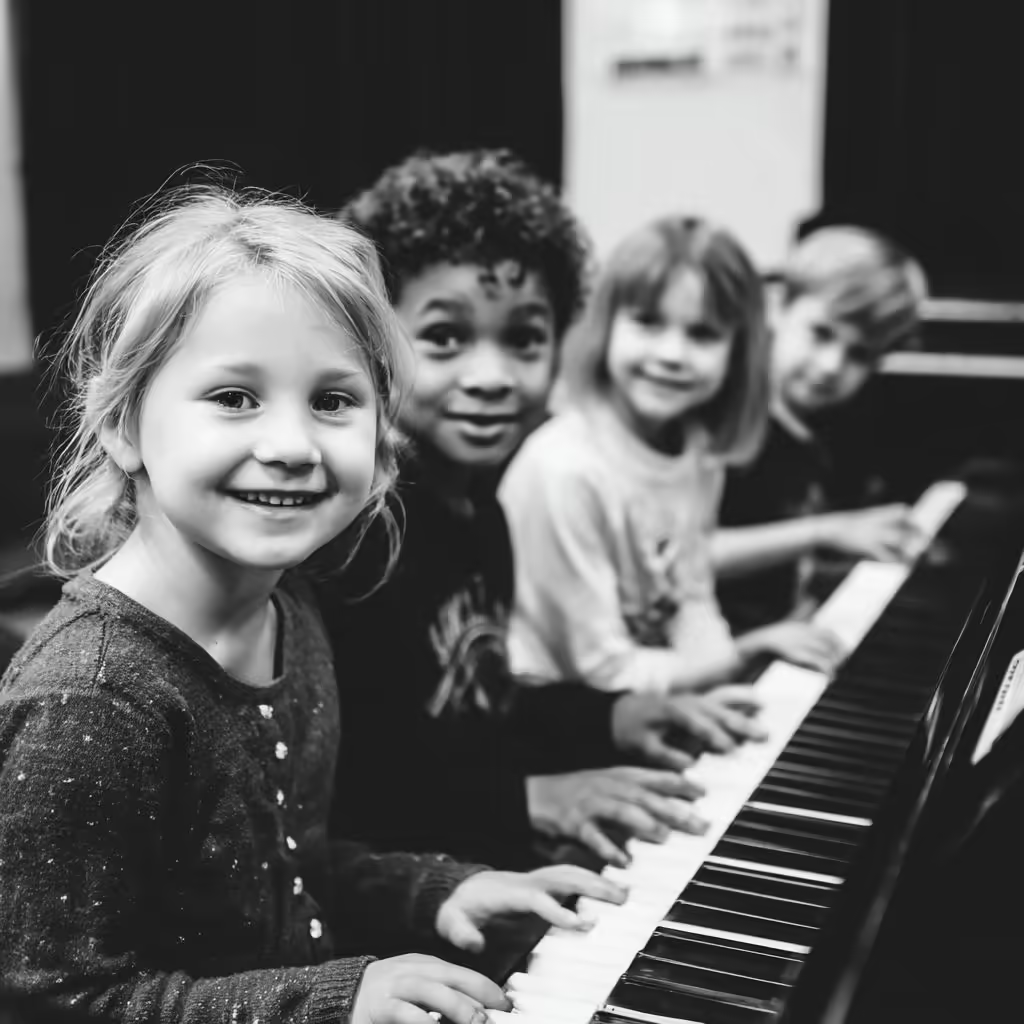
Group piano lessons have 2–8 students in one class. Students are usually the same age or level. Each student uses their own piano or keyboard.
Group classes focus on collaborative learning activities, ensemble playing, and musical games. Students learn from watching others and gain confidence through shared experiences. This format creates a supportive community atmosphere that many students find motivating.
Group Piano Class Structure
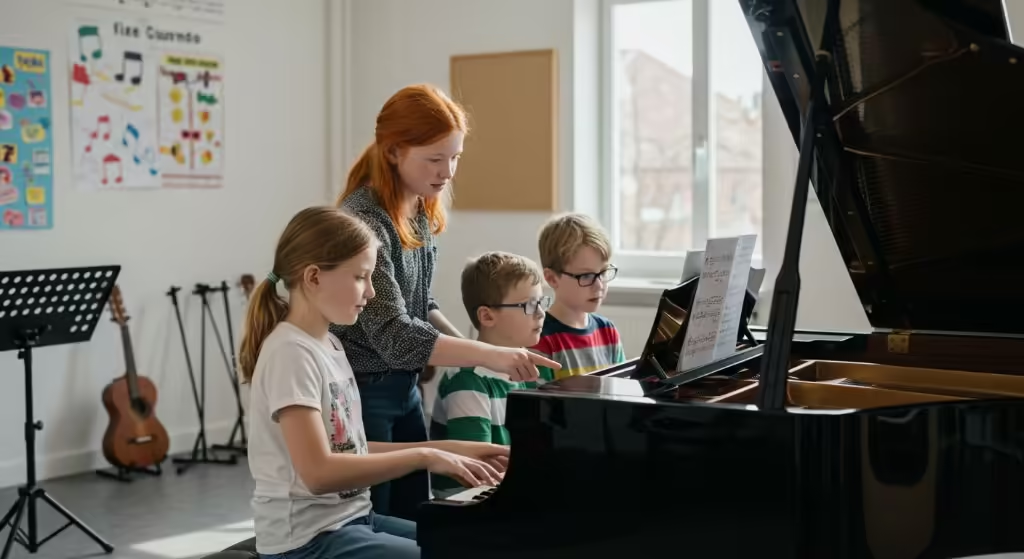
Group piano classes typically begin with warm-up exercises that everyone plays together. Teachers then introduce new concepts through demonstrations and group practice. Students often work in pairs or small teams to reinforce learning.
The class usually ends with ensemble pieces where students play different parts together. This builds important musical skills like listening, timing, and harmony recognition. Many group programs also include music theory games and creative activities.
Private Piano Lessons: Complete Pros and Cons Analysis
Benefits of Private Piano Lessons
Private lessons give full teacher focus. Teachers correct mistakes right away and give specific help. This makes learning faster with fewer bad habits.
Flexible Schedule Private lessons let you pick times that work for you. Many teachers offer makeup lessons and breaks for vacations. This keeps practice steady.
Custom Lessons Teachers can match lessons to your interests. You can learn classical, jazz, pop, or any style. They can also focus on skills like sight-reading, improvising, or performing.
Faster Progress Private lessons help students improve quickly. All time is focused on them, with no waiting for others. This makes learning more efficient.
Music Lessons in San Diego with K&M Music School
1 Expert Music Lessons
We offer Piano, Violin, Cello, Guitar, Ukulele, Saxophone, Bassoon, Harp, Voice, and Toddler group lessons for students of all ages and skill levels.
2 Why Choose Us?
- 🎶 Boosts focus and self-discipline
- 🎵 Strengthens cognitive skills
- 🎼 Enhances cultural understanding
- 🎤 Builds confidence through recitals
3 We Welcome Adults Too!
Drawbacks
Private lessons cost more, usually $30–100 per hour. Extra costs include books, sheet music, and recital fees. This can be hard on family budgets.
Limited Social Interaction Private lessons lack peer interaction and collaborative learning opportunities. Students miss out on the motivation that comes from playing with others. Some students feel isolated or pressured in the one-on-one environment.
Private lessons can feel stressful because all mistakes are noticed right away. Some kids do better in relaxed group settings.
Group Piano Lessons: Benefits and Challenges

Group piano lessons cost less, usually $15–40 per session. This makes them more affordable than private lessons. Families save money with package deals and sibling discounts.
Social Learning Benefits
Students enjoy making friends with similar musical interests and goals. Group dynamics create natural motivation as students encourage each other’s progress. The social aspect makes lessons feel more like fun activities than work.
Reduced Performance Anxiety
Playing alongside peers reduces the pressure of individual performance. Students gradually build confidence in a supportive group environment. This preparation helps them feel more comfortable in future solo performances.
Group lessons teach teamwork skills like listening, timing, and cooperation. Students learn to play together, which helps if they want to join bands or orchestras later.
But group lessons give less personal attention. Teachers divide time among students, so some questions may not get answered.
Group lessons also move at one pace. Fast learners may get bored, and slower learners may feel left behind.
Scheduling Inflexibility
Group classes have fixed schedules that students must follow. Makeup lessons are often impossible since they would disrupt group continuity. This inflexibility can be challenging for busy families.
Cost Comparison: Group vs Private Piano Lessons
Understanding the financial commitment helps families budget for music education. Here’s a detailed breakdown of typical costs for both lesson formats:
Private Piano Lesson Costs
Average Hourly Rates by Experience Level:
- Beginning teachers: $30-50 per hour
- Experienced instructors: $50-75 per hour
- Master teachers: $75-100+ per hour
Additional Expenses:
- Music books and sheet music: $50-100 annually
- Recital fees: $25-50 per event
- Competition entry fees: $30-75 per competition
Private lessons cost about $1,560–$5,200 per year. This is for weekly 30–60 minute sessions. Families also pay extra for books and other fees.
Group Piano Lesson Pricing
Typical Group Rates:
- Small groups (2-4 students): $20-35 per student per lesson
- Larger groups (5-8 students): $15-25 per student per lesson
- Community center programs: $10-20 per student per lesson
Group lessons cost about $520-$1,820 a year. They are 2-3 times cheaper than private lessons.
Learning Outcomes: Comparing Educational Results

Both group and private lessons can work well. Success depends more on motivation and practice than lesson type.
Private lessons often build skills faster. Teachers can fix problems right away. But some students miss the motivation that comes from peers.
Private lesson students typically excel in competitions and formal assessments. The intensive preparation and individual coaching provide advantages in these settings. Many professional musicians credit private instruction for their advanced technical abilities.
Group Lesson Educational Benefits
Group piano students often develop stronger sight-reading and ensemble skills. The collaborative environment teaches important musical communication abilities. Students also tend to enjoy lessons more and continue studying longer.
Research shows group lesson students often stay longer and enjoy music more. Social support helps them stay motivated and push through challenges.
Age-Appropriate Lesson Formats
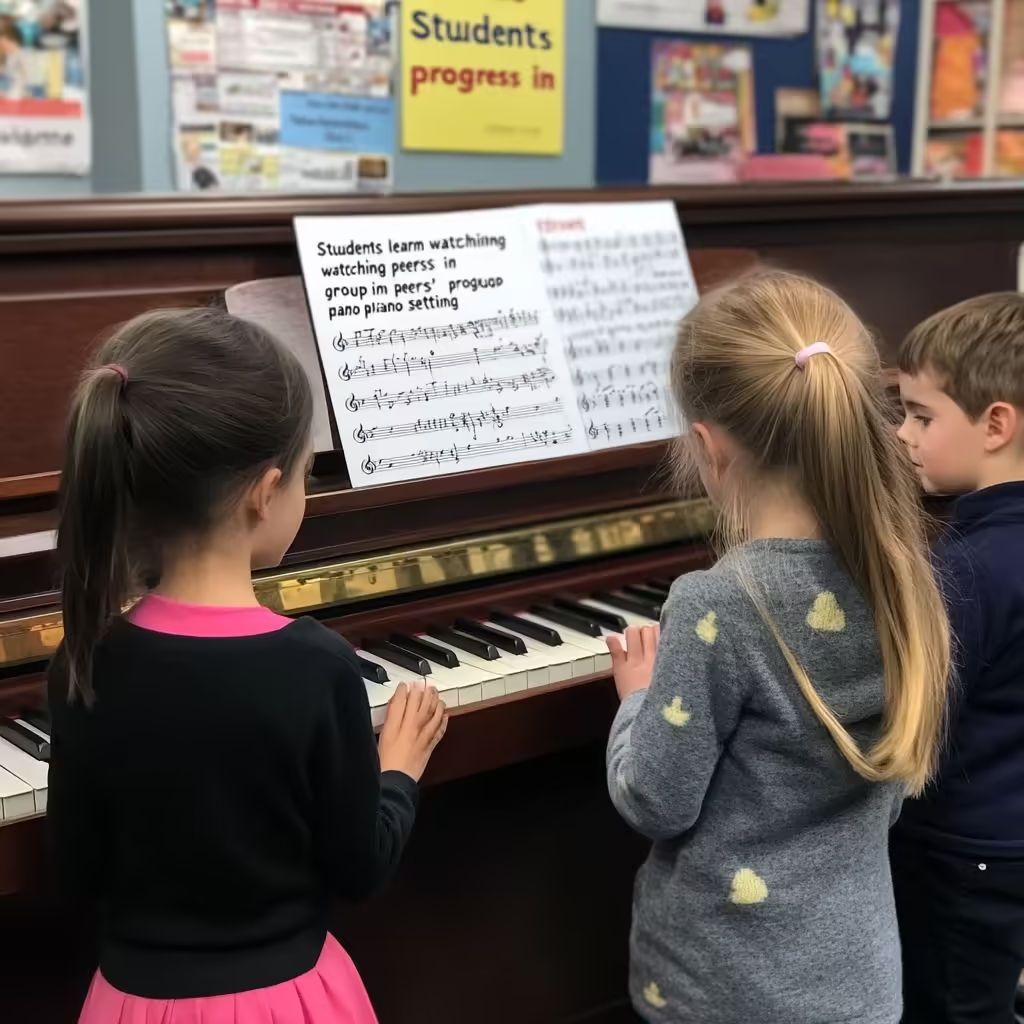
Different ages may need different lesson formats. Each age group learns best in its own way.
Piano Lessons for Young Children (Ages 4-7)
Young kids often do well in group lessons because they like being social. Games and activities keep them interested. Their short attention spans fit group classes well.
Some kids who are more mature do better in private lessons. They can focus longer and may learn faster with one-on-one teaching.
Elementary Age Students (Ages 8-12)
Elementary students enjoy the social aspects of group lessons while developing independence. This age group responds well to peer motivation and friendly competition. Group lessons help build confidence through shared experiences.
Students with specific goals or advanced abilities may benefit more from private instruction. The flexibility to move at their own pace becomes more important as skills develop.
Teenagers and Piano Lessons (Ages 13-18)
Teens often like private lessons because they can choose music they enjoy. They also use lessons to prepare for auditions or competitions. Flexible times help with their busy schedules.
Some teens like group lessons for the social part. Band-style groups are fun for those who enjoy popular music.
Adult Piano Students
Adults usually prefer private lessons. They want to focus on their goals and use time efficiently. Flexible schedules help with work and family needs.
Some adults enjoy group lessons for the social aspect and reduced pressure. Adult group classes often focus on enjoyable repertoire and stress-free learning environments.
Personality Types: Matching Lesson Format to Learning Style
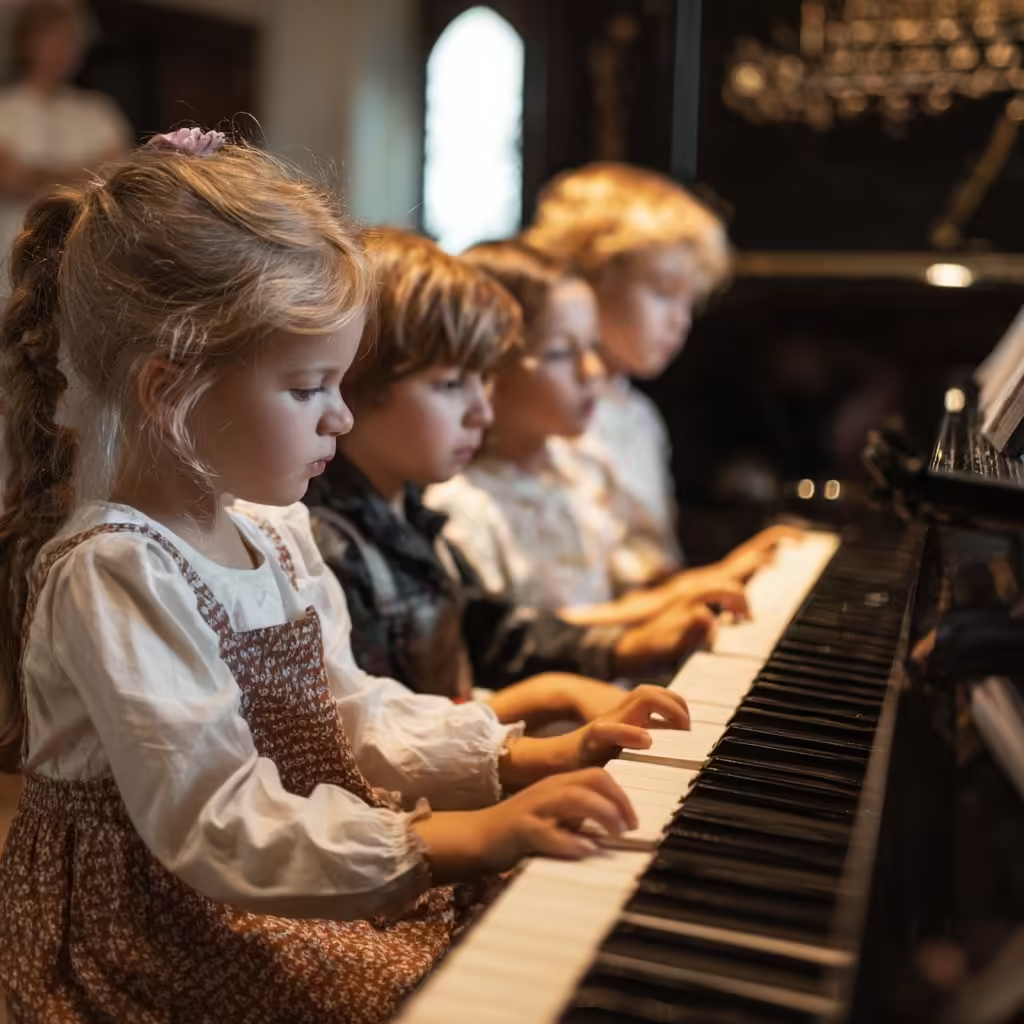
Knowing your personality helps you pick the right lesson style.
Introverted Students and Music Learning
Introverted students often like private lessons. The quiet space helps them focus without social pressure. Group lessons can feel overwhelming.
Still, some introverted students gain confidence from small group lessons. The structure helps them practice social skills slowly.
Extroverted Learners and Music Education
Extroverted students do well in group lessons. They like the social time, encouragement, and teamwork. The group energy makes them practice more.
Private lessons may feel too quiet for them. They might need extra chances to perform or join group activities.
Goal-Based Decision Making
Your music goals should guide your choice between group and private piano lessons.
Preparing for Piano Competitions
Students preparing for competitions typically need private lessons for intensive skill development. The focused attention allows for detailed technique refinement and performance coaching. Competition repertoire often requires individual guidance to master challenging pieces.
Private teachers give tips for competitions. They teach performance skills and mental preparation. Flexible schedules allow extra practice before big events.
Learning Piano for Fun and Hobby
Recreational students often enjoy group lessons for their relaxed, social atmosphere. The lower cost makes music education accessible for hobby-level interest. Group classes typically focus on enjoyable repertoire rather than demanding technical exercises.
Private lessons work well for adults who want to play certain songs or styles. The teacher can focus on music they enjoy.
Professional Music Career Preparation
Serious music students need private lessons for advanced skills. One-on-one teaching builds strong technique and personal style.
Private teachers also help with auditions and industry connections. Group lessons cannot provide this level of preparation.
Making the Switch: Transitioning Between Lesson Types
Many students switch lesson formats as their needs change.
Moving from Group to Private Lessons
Students move to private lessons when they get serious about music or set big goals. This happens when group lessons feel too slow. Some switch to prepare for contests or advanced study.
The change works best after learning basic skills and discipline in group lessons. Then, private lessons help them learn faster.
Switching from Private to Group Lessons
Some students switch to group lessons for social time or lower costs. They may want to build ensemble skills or just have more fun. Adults sometimes switch to avoid performance pressure.
It may take time to adjust to shared attention and group pacing. But many students find new motivation and enjoyment in groups.
Expert Recommendations for Choosing
Teachers say to think about a few things before picking group or private lessons.
Key Decision Factors
Budget: Decide how much you can spend long term. Private lessons cost more, so make sure it fits your budget. Regular lessons matter more than the format.
Personality: Think about how you or your child learn best. Some do better with one-on-one help. Others stay motivated with friends. Try both to see what works.
Musical Goals and Timeline
Define specific objectives for piano study. Students with competitive goals or tight timelines may benefit more from private instruction. Those learning for enjoyment might prefer the relaxed group atmosphere.
Trial Period Strategy
Many music schools offer trial lessons or short-term programs in both formats. Take advantage of these opportunities to experience each approach. Pay attention to motivation levels, progress rates, and overall enjoyment during trial periods.
Start with group lessons since they cost less. Switch to private lessons later if needed. This way, students build basic skills first before spending more money.
Frequently Asked Questions About Piano Lesson Formats
How long should I try each format before deciding?
Most students need 6–8 weeks to adjust to a new lesson style. This gives time for nerves to fade and new habits to form. If there is no progress after 4 weeks, the format may not be right.
Can I combine both group and private lessons?
You can also mix group and private lessons. Many students take weekly group classes and monthly private lessons. This gives social learning and personal help at a lower cost.
What class size works best for group piano lessons?
Groups of 4–6 students give the best mix of personal help and group energy. Smaller groups give more attention but less excitement. Bigger groups are fun but may not give enough guidance.
How do I find qualified instructors?
To find good teachers, look for music education and teaching experience. Ask for references and watch a lesson before joining. Group teachers should also know how to teach groups, not just private lessons.
Music Lessons in San Diego with K&M Music School
1 Expert Music Lessons
We offer Piano, Violin, Cello, Guitar, Ukulele, Saxophone, Bassoon, Harp, Voice, and Toddler group lessons for students of all ages and skill levels.
2 Why Choose Us?
- 🎶 Boosts focus and self-discipline
- 🎵 Strengthens cognitive skills
- 🎼 Enhances cultural understanding
- 🎤 Builds confidence through recitals
3 We Welcome Adults Too!
Conclusion
Choosing between group and private piano lessons depends on your goals and needs. Private lessons give personal attention and faster progress, great for serious students. Group lessons cost less and are fun with friends.
Think about your budget, learning style, goals, and schedule. Both formats can work well. The most important thing is staying motivated and enjoying your music journey.
You can switch between group and private lessons as your needs change. Some start in group lessons for basics, then move to private lessons for advanced study. Others stay in group lessons for social support.
The best lessons are the ones you enjoy and stick with. Regular practice and a good attitude matter more than the format. Try both options if you can, and choose what feels right for you. Sign up for a free trial lesson.