

Learning the violin can be one of the most rewarding experiences for beginners. This beautiful string instrument has a rich tone and endless possibilities for musical expression, but mastering it takes time, patience, and proper technique.
Many students struggle in the first months. These common beginner mistakes can hold you back, slow your progress, and even affect the tone integrity of your playing. In this guide, we’ll cover the 5 common mistakes beginner violin students make, why each mistake happens, and how to fix them.
Whether you’re starting violin lessons with a teacher or learning online through a reputable online violin course, knowing these common mistakes people make will help you avoid problems and set you on the path to violin mastery.

Music Lessons in San Diego with K&M Music School
1 Expert Music Lessons
We offer Piano, Violin, Cello, Guitar, Ukulele, Saxophone, Bassoon, Harp, Voice, and Toddler group lessons for students of all ages and skill levels.
2 Why Choose Us?
- 🎶 Boosts focus and self-discipline
- 🎵 Strengthens cognitive skills
- 🎼 Enhances cultural understanding
- 🎤 Builds confidence through recitals
3 We Welcome Adults Too!
Why Beginner Violin Mistakes Happen
Even skilled violinists once made these same errors. The violin is unlike many other instruments — you need precise left-hand placement, control over violin bows, and the ability to read sheet music or beginner-friendly sheet music while listening to your sound.
Reasons these mistakes happen:
- Choosing the wrong instrument or not investing in a quality violin.
- Forming bad habits before learning correct technique.
- Ignoring music theory and music reading skills.
- Skipping fundamental practice routines.
- Lacking music-reading efficiency and strong learning habits.
If you want to become a great violinist, start by building strong basics and avoiding these traps.
Mistake #1 – Poor Posture While Playing the Violin
Poor violin posture can make playing harder and even cause physical pain. For novices, holding a small instrument like the violin feels unnatural at first, but posture affects sound quality and comfort.
Signs of Poor Violin Posture
- Raised shoulders causing tension.
- Slouching while holding the instrument.
- Tilting the violin too far forward.
- Pressing the chin too hard.
Why Good Posture Matters
- Supports better sound production.
- Prevents strain and injury.
- Helps beginners play pieces with better control.
- Builds confidence in your musical journey.
Posture Troubleshooting Table:
| Problem | Cause | Fix |
|---|---|---|
| Raised shoulders | Tension | Relax before practice |
| Slouching | Weak core | Mirror checks |
| Violin slipping | Poor fit | Adjust rest |
Mistake #2 – Incorrect Bow Hold
Among common bowing mistakes, gripping the bow incorrectly is a major one. The violin bows are an extension of the instrument, and bad habits can harm your technique and sound.
Why Bow Hold Matters
- Shapes your musical expression.
- Maintains tone integrity.
- Essential for repertoire variety.
Mistake #3 – Practicing Without a Plan
Even with a quality instrument, unplanned practice hampers progress. Learners may focus only on songs, skipping core techniques like scales, reading music, or bow control.
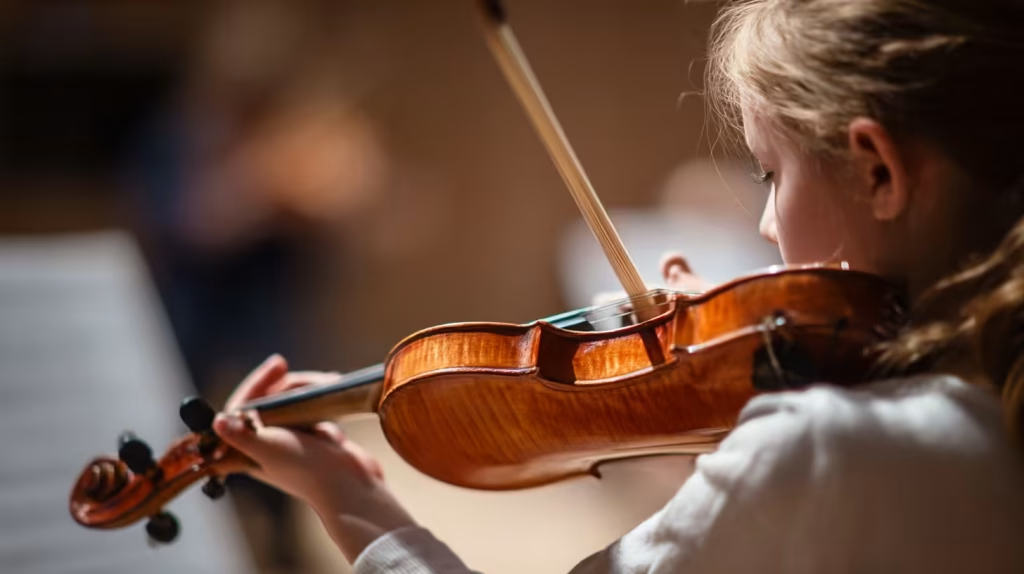
Sample Beginner Practice Plan
| Section | Time | Focus |
|---|---|---|
| Warm-up & tuning | 5 min | Open strings |
| Technique | 10 min | Shifting, bowing |
| Song practice | 10 min | Tough pieces |
| Review | 5 min | Violin music enjoyment |
Mistake #4 – Playing Out of Tune
Even a well-chosen violin can sound bad without proper intonation. Out-of-tune violins make it hard to enjoy violin music and can discourage beginners.
Fixes:
- Use a tuner during practice.
- Play scales on open strings.
- Work with sheet music and music theory basics.
Mistake #5 – Not Caring for the Violin
A quality instrument lasts decades with care. Whether you have an expensive violin or a student model, regular cleaning, proper storage, and attention to strings are essential.
Daily Care Routine
- Wipe the instrument after each practice.
- Loosen bow hair on violin bows.
- Store in case away from heat.
Extra Beginner Tips for Violinists
- Buy from a reputable online violin shop or local store.
- Start with your first instrument fitted to your body.
- Improve music reading skills alongside practice.
- Learn some flute or other stringed instrument basics to boost musical awareness.
- Focus on correct violin posture and bow hold before advanced techniques.
Music Lessons in San Diego with K&M Music School
1 Expert Music Lessons
We offer Piano, Violin, Cello, Guitar, Ukulele, Saxophone, Bassoon, Harp, Voice, and Toddler group lessons for students of all ages and skill levels.
2 Why Choose Us?
- 🎶 Boosts focus and self-discipline
- 🎵 Strengthens cognitive skills
- 🎼 Enhances cultural understanding
- 🎤 Builds confidence through recitals
3 We Welcome Adults Too!
Conclusion – Avoiding Common Beginner Mistakes
The 5 common mistakes beginner violin students make — poor violin posture, bad bow hold, no practice plan, poor intonation, and neglecting care — are avoidable. By choosing the right violin, following a good routine, and using beginner-friendly sheet music, your musical experience will be smoother and more rewarding.
Start today:
- Fix your technique.
- Protect your instrument.
- Play with tone integrity.
Your path to violin mastery starts with small, consistent steps — and avoiding these beginner mistakes will set you up for success.
Start Your Violin Journey Today
Ready to move beyond the 5 common mistakes beginner violin students make and start making real progress? At K&M Music Co., we help beginners, learners, and aspiring musicians build strong technique, confidence, and a love for music.
Whether you need help choosing the right violin, improving your violin posture, mastering bow hold, or learning to read sheet music with ease — our experienced violinists are here to guide you.
Book your first violin lesson now and take the first step toward violin mastery.
Visit K&M Music Co. →
Frequently Asked Questions – Beginner Violin Students
1. How long does it take to fix beginner violin posture?
With daily practice and awareness, most beginners improve violin posture within 2–4 weeks. Using a mirror during practice can help you see progress faster.
2. Can I learn violin without a teacher?
Yes, but learning without guidance may lead to common beginner mistakes that are harder to fix later. A reputable online violin course or in-person violin lessons will help you develop correct technique from the start.
3. What size violin should I get for my first instrument?
Your violin size should match your arm length and age. A well-chosen violin from a reputable online violin shop or local store ensures comfort and better sound quality.
4. How often should I practice violin?
Beginners should aim for 20–30 minutes of focused practice each day. Short, consistent sessions help learners improve music reading skills, bow control, and tone integrity.
5. Is an expensive violin necessary for a beginner?
Not at all. A quality instrument in the right size is more important than price. Many violinists start on affordable violins and upgrade as their musical journey progresses.
6. Do I need to know music theory before starting violin?
Basic music theory and reading music skills are helpful but not required to start. You can learn them alongside your violin practice to improve repertoire and musical expression.
7. What are the most common bowing mistakes for beginners?
Common bowing mistakes include gripping the violin bows too tightly, keeping fingers stiff, and locking the wrist. Correcting these early helps improve sound and technique.