

Singer’s Diet for a Healthy Voice: Meals to Avoid Vocal Strain
Ever wonder what separates a good vocal performance from a truly breathtaking one? While talent and training are key, there’s a secret weapon many singers overlook: nutrition. Think of your voice as a finely tuned instrument. Would you fuel a race car with low-grade gasoline? Of course not! Similarly, what you eat – especially in the hours leading up to a performance – can make or break your vocal delivery.
This isn’t just another dry diet guide. We’re diving deep into the Singer’s Pre-Show Nutrition Playbook. Imagine this as your backstage pass to vocal excellence, revealing the meals, hydration habits, and lifestyle tweaks that elite vocalists use to ensure their voices are powerful, resilient, and ready to captivate. We’ll explore not just what to eat, but why it matters, and how to make these practices a sustainable part of your vocal journey.
Your Vocal Fuel Chart: Essential Nutrients at a Glance
| Nutrient | Vocal Benefit | Power Foods |
|---|---|---|
| Vitamin A | Fortifies cords | Sweet potato, carrots |
| Vitamin C | Builds resilience | Citrus, berries |
| Vitamin E | Oxidative defense | Almonds, olive oil |
| Zinc | Cord lubrication | Pumpkin seeds, oysters |
| Iron | Vibrant function | Lentils, lean beef |
| Hydration | Keeps cords supple | Water, herbal teas |
| Whole Grains | Steady energy | Oatmeal, quinoa |
| Lean Proteins | Tissue strength | Chicken, tofu |
| Healthy Fats | Cord flexibility | Avocado, nuts |
I remember I heard a story. One voice teacher worked with a young opera singer, Maria, who was technically brilliant but consistently struggled with vocal fatigue by the end of her performances. They analyzed her pre-show routine, and her diet was… well, let’s just say it involved a lot of coffee and quick, carb-heavy snacks. After implementing a nutrition plan focusing on hydration, lean proteins, and nutrient-rich meals (like the ones we’ll discuss!), her stamina soared, and her voice gained a newfound vibrancy. It was a game-changer for her confidence and performance quality.

Music Lessons in San Diego with K&M Music School
Expert Music Lessons
We offer Piano, Violin, Cello, Saxophone, Bassoon, Harp, Voice, and Toddler group lessons for students of all ages and skill levels.
Why Choose Us?
- 🎶 Boosts focus and self-discipline
- 🎵 Strengthens cognitive skills
- 🎼 Enhances cultural understanding
- 🎤 Builds confidence through recitals and performances
We Welcome Adults Too!
Book Your Free Lesson NowDecoding the Singer’s Diet: Why Food is Your Vocal Ally
The Direct Line: Diet to Vocal Health
Think of your vocal cords as incredibly sensitive instruments. They respond directly to what you put into your body. Proper nutrition isn’t just about general wellness; it’s about providing the specific building blocks your vocal cords need to thrive. Vitamins A, C, E, zinc, and iron – these aren’t just buzzwords; they’re the essential components that bolster your vocal cords’ resilience, flexibility, and overall function. They’re your internal vocal support system, working tirelessly to keep your voice in top condition and warding off issues like strain and fatigue.

Common Vocal Roadblocks: Nutrition’s Role in Prevention
Every singer knows the dread of vocal strain, the frustration of nodules, or the setback of polyps. Often, these common vocal ailments aren’t just about overuse or technique. They can be significantly influenced by what you eat (or don’t eat). A diet lacking key nutrients and hydration can weaken your vocal cords, making them more susceptible to these problems. By proactively focusing on a balanced, voice-conscious diet, you’re building a protective shield against these common vocal challenges and investing in your long-term vocal health.
Pre-Performance Plate Power: Eating for Vocal Excellence
Hydration: The Vocal Cord Lubricant
Hydration is non-negotiable for singers, especially before a performance. Think of your vocal cords like finely oiled machines – water is their oil. Dehydration is like running that machine dry; it leads to friction, strain, and a noticeable drop in vocal range and clarity. The solution? Flood your system with water, and consciously avoid dehydrating culprits like coffee, sugary sodas, and alcohol. Don’t just drink water, though. Eat your water too! Water-rich fruits and vegetables like watermelon, cucumbers, and berries contribute to sustained vocal cord moisture from the inside out.
Nutrient Density: Fueling Your Vocal Engine
Pre-performance meals aren’t just about avoiding the “bad” stuff; they’re about actively loading up on the “good.” Think of your food as fuel. Nutrient-dense meals are high-octane gasoline for your vocal engine. Prioritize whole grains for sustained energy release (no energy crashes mid-performance!), lean proteins to strengthen vocal tissues, and healthy fats for overall vocal cord health and flexibility. And vitamins and minerals? They’re your vocal performance enhancers! Citrus fruits, for example, aren’t just refreshing; they’re packed with Vitamin C, a known ally in preventing vocal strain and boosting immunity – essential when you’re pushing your body and voice.
The “No-Go” Foods: Steering Clear of Vocal Sabotage
Certain foods, however delicious, can be vocal performance kryptonite. Spicy foods can be like a vocal cord irritant, causing inflammation and discomfort right when you need smooth, effortless singing. Caffeine and alcohol? They’re sneaky dehydrators, pulling precious moisture away from your vocal cords and making them less responsive and more prone to strain. Before a performance, these are best left off the menu entirely. Think of it as protecting your investment – your voice!

Hydration Hacks for Singers: Keeping Your Voice Watered
Pre-Show Hydration Blitz:
Think of pre-performance hydration as vocal cord pre-loading. It’s not enough to drink water just before you go on stage. You need to be consistently hydrated in the hours leading up to your performance. Make water your constant companion. Carry a water bottle everywhere and sip throughout the day. Avoid sugary drinks that promise energy but deliver dehydration. And remember, hydrating foods count! A juicy piece of fruit or a handful of nuts (yes, nuts contribute to hydration too!) can be your secret weapon in the hours before you sing.
On-Stage Hydration: Sustaining Vocal Moisture
Staying hydrated during a long performance set is a marathon, not a sprint. It requires strategy. Make water breaks part of your setlist, literally! Sipping water between songs isn’t just acceptable; it’s professional vocal maintenance. And for those longer sets? Strategically timed, small, hydrating snacks like grapes or celery during brief breaks can be lifesavers, keeping your vocal cords consistently moist and preventing that dreaded mid-performance vocal fatigue.
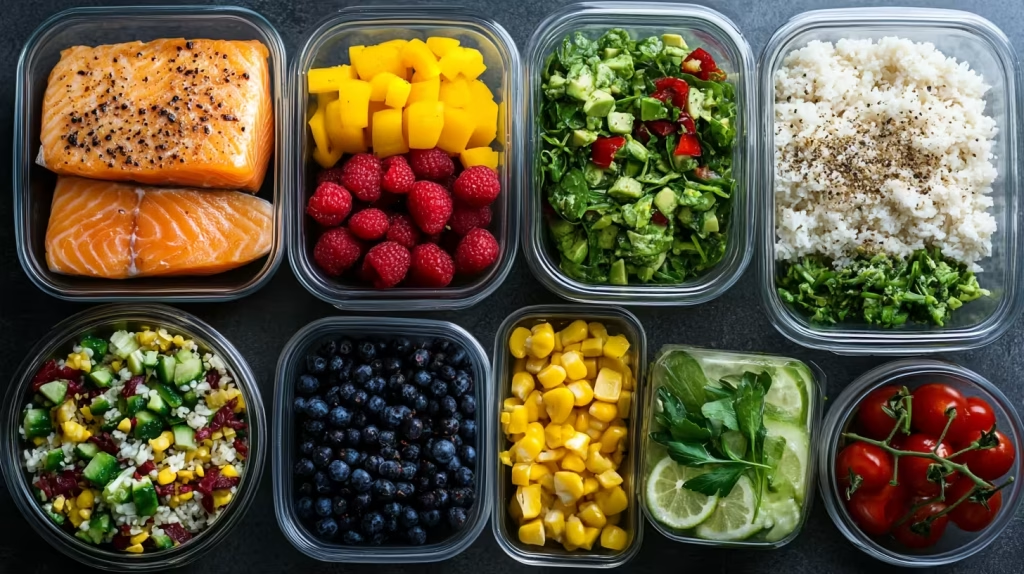
Pre-Performance Meal Blueprints: Your Vocal Power Plates
Breakfast: Vocal Fuel Start-Up
Kickstart your vocal day with a breakfast that’s both energizing and voice-friendly. Here are two powerhouse options:
- The Oatmeal Power Bowl (Recipe Included!): This isn’t your grandma’s bland oatmeal. We’re talking fiber-rich, complex-carb goodness topped with antioxidant-packed berries and protein-and-healthy-fat-rich nuts. It’s sustained energy in a bowl, perfect for long rehearsals or early performances.
- Whole Grain Cereal with a Vocal Twist: Choose a low-sugar, high-fiber whole grain cereal. Pair it with milk (or a dairy-free alternative if you’re sensitive) for calcium and protein. The secret? Top it with sliced bananas and a sprinkle of chia seeds for extra potassium and omega-3s – both vocal cord allies!

Lunch: Midday Vocal Recharge
For lunch, think light, nutrient-packed, and easy to digest – you don’t want to feel heavy or sluggish before a performance. Consider these winning lunch salads:
- Grilled Chicken Vocal Vitality Salad (Recipe Included!): Lean grilled chicken provides essential protein. A base of spinach and kale delivers a vitamin and mineral punch. Avocado adds creamy healthy fats and fiber. Dress it with a light vinaigrette – lemon herb is particularly voice-soothing.
- Quinoa Rainbow Veggie Salad: Quinoa is a protein and fiber superstar. Combine it with a medley of colorful veggies like bell peppers, cucumbers, and tomatoes for a vitamin explosion. A light vinaigrette ties it all together – think a balsamic or apple cider vinegar base.
Snacks: Mini Vocal Boosts
Snacks are your vocal hydration and energy pit stops throughout the day. Keep these easy-to-grab options handy:
- Fresh Fruit Trio: Apples (fiber & Vitamin C), Bananas (potassium & Vitamin B6), and Grapes (antioxidants & hydration) – a perfect portable power pack.
- Nut & Seed Power Mix (Recipe Included!): Almonds, walnuts, and pumpkin seeds – a trifecta of healthy fats, protein, and essential minerals like magnesium and zinc. Make a big batch and keep it in your bag for instant vocal fuel.
Recipe Box!
Oatmeal Power Bowl
Ingredients:
- 1/2 cup rolled oats
- 1 cup water or milk (dairy or non-dairy)
- 1/2 cup mixed berries (fresh or frozen)
- 1/4 cup chopped nuts (almonds, walnuts, pecans)
- 1 tsp chia seeds (optional)
- Pinch of cinnamon
Instructions:
- Cook oatmeal with water/milk according to package directions or your preferred method.
- Pour cooked oatmeal into a bowl.
- Top with mixed berries, chopped nuts, chia seeds (if using), and a pinch of cinnamon.
- Serve immediately and enjoy!
Recipe Box!
Grilled Chicken Vocal Vitality Salad
Ingredients:
- 4 oz grilled chicken breast, sliced
- 2 cups mixed greens (spinach, kale)
- 1/2 avocado, sliced
- 1/4 cup cherry tomatoes, halved
- 2 tbsp light vinaigrette (lemon herb recommended)
Instructions:
- Combine all ingredients in a large bowl.
- Toss gently to combine.
- Serve immediately.
Recipe Box!
Nut & Seed Power Mix
Ingredients:
- 1 cup almonds
- 1 cup walnuts
- 1/2 cup pumpkin seeds
- 1/4 cup sunflower seeds (optional)
- Pinch of sea salt
Instructions:
- Mix all nuts and seeds in a bowl.
- Lightly salt to taste.
- Store in airtight container.
Recipe Box!
Citrus Burst Smoothie (Vocal Soother)
Ingredients:
- 1 orange, peeled
- 1/2 grapefruit, peeled
- 1/2 cup spinach
- 1/2 banana (for sweetness and texture)
- 1/2 cup water or coconut water
Instructions:
- Blend all ingredients until smooth.
- Add more liquid if needed to reach desired consistency.
- Serve immediately for best taste and vocal soothing benefits.
Recipe Box!
Sweet Potato & Ginger Vocal Warmth Soup
Ingredients:
- 1 tbsp olive oil
- 1 onion, chopped
- 2 cloves garlic, minced
- 1 inch ginger, grated
- 2 sweet potatoes, peeled and cubed
- 4 cups vegetable broth
- Salt and pepper to taste
Instructions:
- Heat olive oil in a pot over medium heat.
- Sauté onion, garlic, and ginger until fragrant.
- Add sweet potatoes and vegetable broth.
- Bring to a simmer and cook until potatoes are tender, about 15-20 minutes.
- Carefully blend soup until smooth using an immersion blender or by transferring to a regular blender.
- Season to taste with salt and pepper.
- Serve warm to soothe and warm your vocals.
Vocal Longevity: Nutrition for a Lifetime of Singing
This isn’t just about one performance; it’s about building a vocal career that lasts. Consistent, voice-supporting nutrition isn’t a quick fix; it’s a long-term investment. Think of it as preventative maintenance for your vocal instrument. Just as athletes focus on nutrition for peak physical performance and longevity, singers need to do the same for their voices. A diet rich in antioxidants, vitamins, minerals, and hydration not only fuels today’s performance but also combats vocal aging, promotes vocal cord elasticity, and sustains vocal health for years to come. It’s about nourishing your voice from the cellular level, ensuring it remains vibrant, resilient, and capable of expressing your artistry for a lifetime.
Vocal Nutrition Check-In
Quickly assess your vocal diet habits!
Hydration Habits:
Pre-Performance Meals:
Fruit & Veggie Intake:
Avoidance Foods:
Vocal Fatigue:
Mostly “Less than 6,” “Never,” “Less than 3,” “Frequently,” “Often”?
Time to amp up your vocal nutrition game! Start with small changes and gradually incorporate more voice-friendly habits.
Mostly “6-8,” “Sometimes,” “3-5,” “Occasionally,” “Sometimes”?
You’re on the right track! Refine your routine and focus on the consistent application of healthy habits.
Mostly “8+,” “Always,” “5+,” “Rarely/Never,” “Rarely”?
Vocal Nutrition Pro! Keep up the excellent work and continue to fine-tune your approach for optimal vocal health.
Conclusion
Your voice is your instrument, your passion, your career. It deserves the best possible care, and that starts with what you eat. By adopting these pre-performance nutrition strategies, you’re not just preparing for a single show; you’re investing in a lifetime of vocal health, power, and artistry. So, take charge of your vocal fuel, unlock your full vocal potential, and step onto that stage with confidence, knowing your voice is nourished, strong, and ready to shine! Now go sing your heart out!
Music Lessons in San Diego with K&M Music School
Expert Music Lessons
We offer Piano, Violin, Cello, Saxophone, Bassoon, Harp, Voice, and Toddler group lessons for students of all ages and skill levels.
Why Choose Us?
- 🎶 Boosts focus and self-discipline
- 🎵 Strengthens cognitive skills
- 🎼 Enhances cultural understanding
- 🎤 Builds confidence through recitals and performances
We Welcome Adults Too!
Book Your Free Lesson NowCall to Action
Ready to elevate your vocal performance? Start by incorporating nutrient-rich foods into your daily meals and staying hydrated. Avoid vocal saboteurs like spicy foods, caffeine, and alcohol before performances. Consult with a nutritionist or vocal coach to tailor a plan that suits your unique needs. Your voice is your superpower—nourish it right and let it soar! Sign up for a free trial lesson.
Frequently Asked Questions
What nutrients are essential for vocal health? Key nutrients include vitamins A, C, E, zinc, iron, and omega-3 fatty acids. These support vocal cord resilience, flexibility, and overall function.
How much water should singers drink before a performance? Singers should aim to drink at least eight glasses of water daily, especially leading up to a performance. Hydrating foods like watermelon and cucumbers also help.
What are some ideal pre-performance meals? Opt for nutrient-dense meals like oatmeal with berries and nuts, grilled chicken salad with avocado, or quinoa with mixed vegetables. These provide sustained energy and vocal support.
What foods should be avoided before singing? Avoid spicy foods, caffeine, alcohol, and sugary drinks, as they can dehydrate and irritate the vocal cords.
How can I maintain vocal health long-term? Consistent hydration, and a balanced diet rich in fruits, vegetables, lean proteins, and healthy fats, along with regular vocal exercises and rest, contribute to long-term vocal health.
Should I take supplements for vocal health? Supplements like vitamin C, zinc, and omega-3s can support vocal health, but it’s best to consult a healthcare provider before starting any new supplements.
How does hydration affect vocal performance? Hydration keeps vocal cords supple and prevents strain, ensuring clear and powerful vocal delivery during performances.