
Discover whether a violin teacher or self-learning is right for you in this comprehensive guide. Compare costs, benefits, and strategies for both learning paths to find your perfect violin journey. Includes practical tips for beginners and advancing players to improve their skills.
Summary Table
| Method | Pros | Cons |
| Violin Teacher | Personalized instruction, structured training, motivation, accountability | Costly, less flexible, tied to the teacher’s schedule |
| Self-Learning | Flexible, affordable, fosters independence and self-discipline | Requires self-motivation, risks poor violin habits, lacks structure |
Why Choose a Violin Teacher?
A violin teacher can elevate your violin playing with expert guidance. Here’s why:
Personalized Guidance
- Instructors tailor violin lessons to your unique needs, offering customized violin education.
- Immediate feedback from a good teacher corrects technique—like perfecting your violin posture—with targeted etudes.
Structured Learning
- A great teacher provides a clear course, setting goals like mastering scales on your violin or preparing for your first recital.
- Progress feels steady, whether you’re in private violin lessons or group lessons.
Motivation and Accountability
- An attentive teacher encourages you, pushing your practice violin routine.
- Group teacher settings or peers in an orchestra keep you committed to your violin training.

Music Lessons in San Diego with K&M Music School
Expert Music Lessons
We offer Piano, Violin, Cello, Saxophone, Bassoon, Harp, Voice, and Toddler group lessons for students of all ages and skill levels.
Why Choose Us?
- 🎶 Boosts focus and self-discipline
- 🎵 Strengthens cognitive skills
- 🎼 Enhances cultural understanding
- 🎤 Builds confidence through recitals and performances
We Welcome Adults Too!
Book Your Free Lesson NowBenefits of Self-Learning
Prefer freedom and saving money? Self-teaching the violin might suit you. Here’s how:
Flexibility and Convenience
- Learn at your pace—morning or night—perfect for self-directed violin instruction.
- No need to align with an in-person teacher’s schedule.
Cost-Effective
- Skip instructor costs and invest in tutorials, apps, or instruction books instead of private lessons.
- Quality resources like violinmasterclass.com make self-help courses affordable.
Independence and Self-Discipline
- Builds skill and grit as an independent learner, valuable beyond music.
- Ideal for the self-learner aiming for mastery through self-guided learning.
Comparing Violin Teachers and Self-Learning
How do these methods stack up for your violin experience?
Initial Progress
- Teacher: A professional teacher accelerates growth with in-person violin instruction, fixing real technique problems early.
- Self-Learning: Slower as self-taught beginners experiment, relying on learning by ear or violinist.com forums.
Long-Term Goals
- Teacher: Structured violin sessions speed you toward concertos or classical repertoire builds.
- Self-Learning: Success depends on discipline—great for a self-taught amateur with passion.
Personal Preferences
- Crave guidance? Choose an experienced instructor. Love autonomy? Self-directed learning shines.
Tips for Effective Self-Learning
Going self-taught? Succeed with these learning resources:
- Set Clear Goals: Target 30 minutes of practice daily or a new piece in a month—track your violinist journey.
- Use Resources Wisely: Rely on violinist online forums, tutorials, or violin—Suzuki methods from trusted sources.
- Practice Regularly: Consistent practice beats sporadic efforts—key for competent violinists.
When to Combine Both Approaches
Blend the best of both for advanced violin students:
- Mix It Up: Pair violin lessons with self-teaching trials to explore new techniques.
- Seek Support: Get periodic feedback from a violin teacher to refine your self-directed instruction full-time.
The Role of a Violin Teacher
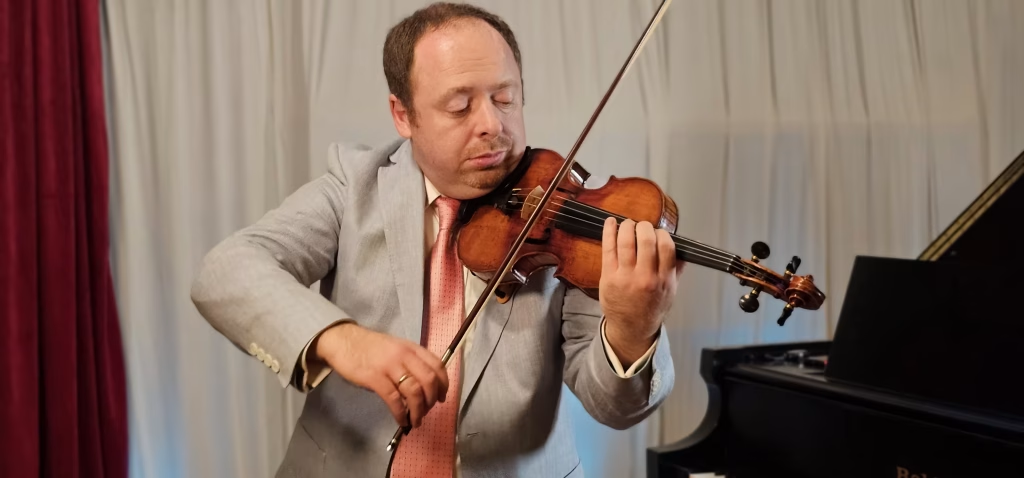
A first-rate teacher is your guide to violin mastery:
- Individualized Instruction: A private instructor adjusts to your overall learning style, avoiding self-teaching struggles.
- Structured Curriculum: Covers technique, theory, and reading—like prepping for the second violin section.
- Encouragement: A flexible teacher motivates you through challenges.
- Feedback: Teacher identifies errors, offering proper technique fixes.
- Performance Opportunities: Play in an orchestra or recital to grow as a musician.
The Role of Self-Learning
Self-teaching enhances your violin experience:
- Independence: Learn on your instrument whenever you want.
- Affordability: Use self-instruction tools—no need for a professional instruction budget.
- Discipline: Drives self-training for new skills like ear training.
- Exploration: Experiment with fiddle music or classical cello influences.
- Overcoming Limits: Extra practice lots on tough spots boosts sound quality.
Common Mistakes to Avoid
Steer clear of these, whether with teachers or solo:
- Skipping Practice: Halts skill growth—practice is non-negotiable.
- No Goals: Aimlessness stalls the learning process—set targets.
- Poor Resources: Risks poor technique—stick to good understanding from pros.
- Ignoring Feedback: Stunts intermediate/advanced skills—seek input.
- Losing Motivation: Rekindle with new teacher insights or violinist.com interview volume.
Why Practice Matters
Practice is the heart of violin playing:
- Builds muscle memory for correct technique.
- Hones specific skills like bowing and intonation.
- Expands repertoire—from fiddle tunes to concertos.
- Boosts confidence in listening to audiences.
- Overcomes difficult techniques with time.
Why Feedback Fuels Growth
Feedback sharpens your art:
- Highlights multiple skills to improve—like play-along skills.
- Fixes mistakes before they root.
- Lifts confidence with praise from instructors.
- Shapes analysis skills for smarter goals.
- Guides past self-teaching realities.
Why Goals Drive Success
Goals light your learning path:
- Keep the focus on particular teacher lessons or self-study.
- Track progress—like mastering violin position markers.
- Build confidence as a taught violinist.
- Spark new skill challenges.
- Push through teaching hurdles.
Why Resources Make a Difference
Quality tools enhance training:
- Offer instructional products from professional performers.
- Provide structure for self-directed learning.
- Engage with good teaching content.
- Deliver current techniques—not outdated piano methods.
- Source from experienced musicians like violinist.com.
Why Motivation Keeps You Going
Motivation powers your music:
- Fuels goals for the next lesson or solo study.
- Pushes past self-teaching trials.
- Strengthens confidence as a great violinist.
- Sharpens focus on the learning process.
- Tracks your violinist evolution.
Why Routines Work Wonders
A practice routine is gold:
- Ensures consistency for skill growth.
- Focuses on lesson goals or self-targets.
- Tracks repertoire progress.
- Maximizes efficiency in classes.
- Sustains motivation through courses.
Why Support Systems Shine
Backup accelerates mastery:
- Offers encouragement from teachers or peers.
- Holds you accountable to practice.
- Provides instructor input for growth.
- Boosts motivation with group lessons.
- Builds confidence as a musician/professional instructor.
Why Mindset Seals the Deal
A positive mindset ties it together:
- Breeds resilience for self-taught concert dreams.
- Keeps focus on violin sessions.
- Sustains motivation through art.
- Grows confidence with every sound.
- Highlights progress for understanding.
Final Thoughts
Whether you choose a violin teacher, self-learning, or both, the best path keeps you playing your violin. Start with what excites you—be it classical music or fiddle—and let your skills soar!
Music Lessons in San Diego with K&M Music School
Expert Music Lessons
We offer Piano, Violin, Cello, Saxophone, Bassoon, Harp, Voice, and Toddler group lessons for students of all ages and skill levels.
Why Choose Us?
- 🎶 Boosts focus and self-discipline
- 🎵 Strengthens cognitive skills
- 🎼 Enhances cultural understanding
- 🎤 Builds confidence through recitals and performances
We Welcome Adults Too!
Book Your Free Lesson NowCall to Action
Ready to elevate your violin skills?
- Find a Teacher: Search for a qualified violin instructor in your area and schedule your first lesson today!
- Start Self-Learning: Explore reliable online tutorials, apps, and instruction books to begin your self-guided journey.
- Combine Both: Mix private lessons with self-study to get the best of both worlds and accelerate your progress.
Don’t wait—pick up your violin and start playing!
Frequently Asked Questions
Is a Violin Teacher Necessary?
Not required, but a good instructor offers structure. Self-teaching works if you’re disciplined.
Can I Learn Violin on My Own?
Yes! With tutorials and practice, you’ll grow as a self-taught player.
Best Self-Learning Resources?
Try violinist.com, apps, or instruction books—verify they’re from professionals.
How to Stay Motivated Solo?
Set goals, track wins, and join violinist online forums for support.
Lessons or Self-Learning?
Love guidance? Pick a private teacher. Want freedom? Go self. Match your learning style.
Combining Both?
Lessons give direction; self-adds exploration—perfect for competent violinists.