
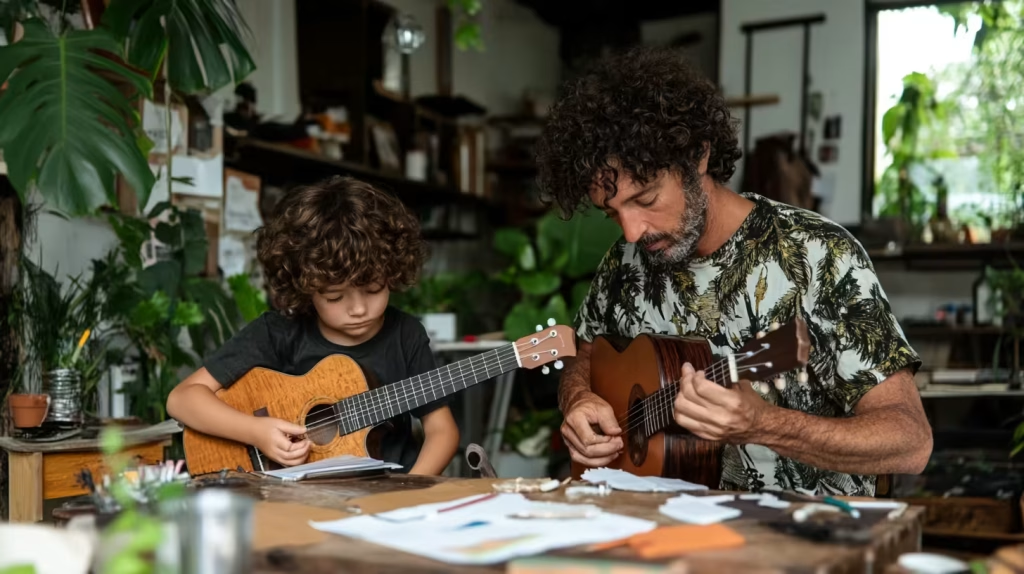
Discover the “Ukulele Lessons Parents’ Cheat Sheet for Child Progress.” Learn how to support your child’s musical journey and see their skills grow. Perfect for parents looking to boost their child’s confidence and creativity.
Learning the ukulele can be fun and rewarding for kids. It teaches them a new skill and helps with their brain, social, and emotional growth. As a parent, you play a key role in supporting your child’s ukulele learning. This guide will help you understand how to help your child improve and get the most from their lessons.
| Benefits | Tips for Parents | Brands |
|---|---|---|
| Enhances cognitive development, boosts creativity, and improves social skills. | Choose a qualified instructor, set clear goals, and provide positive reinforcement. | Ukulele Lessons for Kids, Ukulele Pro, Ukulele Forums |
| Reduces stress and anxiety, promotes a positive mindset, and encourages patience. | Encourage independence, practice regularly, and use practice tools. | Ukulele Tutorials, Ukulele Songbook, Ukulele Chord Book |
| Builds confidence, fosters a sense of community, and provides performance opportunities. | Create a supportive environment, set realistic expectations, and attend performances. | Ukulele Cases, Ukulele Stands, Ukulele Metronomes |
Why Ukulele Lessons Are Beneficial for Children
Cognitive Development
Ukulele lessons can help your child’s brain development. Playing the ukulele improves memory and focus as they learn new songs. It also boosts creativity and self-expression. Learning the ukulele helps with problem-solving too. Your child will practice reading music, understanding chords, and using techniques.
Social Skills
Ukulele lessons help your child build social skills. Playing with others teaches teamwork and collaboration. It also boosts confidence when your child performs. Ukulele lessons help your child connect with other musicians. This makes them feel part of a community.
Emotional Well-being
Learning the ukulele can help your child feel better. It reduces stress and anxiety by letting them express themselves. Playing also teaches patience and perseverance. As they face challenges, they will get stronger. Ukulele lessons can boost their confidence as they reach milestones and see progress.
How to Choose the Right Ukulele Lessons for Your Child
Finding a Qualified Instructor
Choosing the right ukulele teacher is important for your child’s progress. Find a certified teacher with experience teaching kids. Check reviews to make sure they are qualified and trusted. Also, think about their teaching style. It should match how your child learns best.
Tips for Finding a Qualified Instructor
- Check Credentials: Ensure the instructor is certified and has experience teaching children.
- Read Reviews: Look for reviews and testimonials from other parents and students.
- Interview Instructors: Meet with potential instructors to assess their teaching style and approach.
- Ask for Recommendations: Seek recommendations from friends, family, or online communities.

Music Lessons in San Diego with K&M Music School
1 Expert Music Lessons
We offer Piano, Violin, Cello, Guitar, Ukulele, Saxophone, Bassoon, Harp, Voice, and Toddler group lessons for students of all ages and skill levels.
2 Why Choose Us?
- 🎶 Boosts focus and self-discipline
- 🎵 Strengthens cognitive skills
- 🎼 Enhances cultural understanding
- 🎤 Builds confidence through recitals
3 We Welcome Adults Too!
Setting Clear Goals
Set clear goals for your child’s ukulele lessons. Decide what they want to learn, like songs or techniques. Make sure the goals are realistic and achievable. Track their progress to stay on track. Adjust goals if needed to keep them motivated.
Steps to Set Clear Goals
- Identify Interests: Ask your child what they want to learn and achieve.
- Set Realistic Goals: Break down larger goals into smaller, manageable steps.
- Track Progress: Regularly review your child’s progress and adjust goals as needed.
- Celebrate Milestones: Acknowledge and celebrate your child’s achievements to keep them motivated.
Choosing the Right Ukulele
Choosing the right ukulele is important for your child’s learning. Pick a size that fits their age and skill level. Make sure the ukulele is comfortable to hold and play. It should be a good quality instrument in good condition to help them learn better.
Factors to Consider When Choosing a Ukulele
- Size: Choose a ukulele that is the right size for your child’s hands.
- Quality: Look for a good quality instrument that is well-made and comfortable to play.
- Budget: Set a budget for your child’s ukulele. Also, think about the cost of maintenance and accessories.
Tips for Maximizing Child Progress in Ukulele Lessons
Practice Regularly
Practice regularly to help your child improve. Set a routine that works for your family. Make practice fun with games and activities. Use tools like metronomes, tuners, and sheet music to help them get better.
Tips for Regular Practice
- Set a Schedule: Establish a consistent practice routine that works for your family.
- Make lessons fun. Use games and activities to keep your child engaged.
- Use practice tools like metronomes, tuners, and sheet music. Also, check your child’s progress often. Change their routine if needed to help them improve.
Encourage Independence
Encouraging your child’s independence in ukulele lessons helps them build confidence. Let them try different techniques and styles. Offer support when needed, but let them lead their learning. Celebrate their achievements to keep them motivated.
Tips for Encouraging Independence
- Encourage your child to try different techniques and styles. Let them explore new ways of playing. This helps them learn and grow.
- Give support when needed, but let your child lead their learning. This helps them grow and take charge of their journey.
- Celebrate your child’s achievements. Recognize their progress to keep them motivated. This will help them stay excited and encouraged.
Provide Positive Reinforcement
Praise your child’s effort and progress. Focus on the effort, not just the results. Create a supportive environment that encourages learning. Use positive words and actions to show your child you believe in them.
Tips for Positive Reinforcement
- Praise Effort: Praise your child’s effort and progress, not just the results.
- Create a positive environment. Encourage your child to enjoy learning and music. This will help them feel supported and motivated.
- Use positive words and body language. Show your child that you believe in them. This helps support their goals and builds confidence.
- Celebrate your child’s progress. Recognize their achievements to keep them motivated. This encourages them to keep going.

Common Challenges and How to Overcome Them
Frustration and Difficulty
Learning the ukulele can be tough, and your child may feel frustrated. Remember, learning takes time and practice. Break lessons into smaller steps to keep your child focused. Encourage them with positive words to help them stay on track.
Tips for Overcoming Frustration
- Break lessons into smaller parts. This helps your child stay focused. It also keeps them motivated.
- Praise your child’s effort and progress. Don’t just focus on the results. This will help keep them motivated.
- Encourage your child to be patient. Learning takes time, so remind them to keep going.
- Offer support when needed. Help your child work through challenges. This will keep them on track.
Lack of Motivation
Lack of motivation can be a challenge. Set goals and track progress to keep your child motivated. Make practice fun by using games and activities. Use rewards to celebrate achievements and keep them excited.
Tips for Overcoming Lack of Motivation
- Set clear and achievable goals for your child. This helps them stay motivated.
- Make practice fun by adding games and activities. This keeps your child engaged.
- Use rewards to motivate your child. Celebrate their achievements to keep them encouraged.
- Track your child’s progress regularly. Adjust their practice routine if needed. This helps keep them on track.
Consistency and Commitment
Maintaining consistency in practice is crucial for improvement. Create a regular schedule that fits your family’s routine. Make practice a habit by setting aside specific times each day or week. Praise your child’s efforts to keep them committed.
Tips for Maintaining Consistency
- Set a Schedule: Establish a consistent practice routine that works for your family.
- Make it a Habit: Make practice a regular part of your child’s routine to help them stay committed.
- Praise your child’s effort and progress. This will keep them motivated.
- Check your child’s progress often. Change their goals if needed to keep them interested.
Music Lessons in San Diego with K&M Music School
1 Expert Music Lessons
We offer Piano, Violin, Cello, Guitar, Ukulele, Saxophone, Bassoon, Harp, Voice, and Toddler group lessons for students of all ages and skill levels.
2 Why Choose Us?
- 🎶 Boosts focus and self-discipline
- 🎵 Strengthens cognitive skills
- 🎼 Enhances cultural understanding
- 🎤 Builds confidence through recitals
3 We Welcome Adults Too!
Resources for Ukulele Lessons and Practice
Online Resources
There are many online resources to help your child learn the ukulele. Websites and apps offer lessons and tutorials for all skill levels. YouTube and online communities provide great support. Explore these options to find what works best for your child.
Popular Online Resources
- Websites like Ukulele Lessons for Kids and apps like Ukulele Pro offer lessons. They give step-by-step guides to help learn the ukulele.
- YouTube channels like Ukulele Lessons for Beginners and Ukulele Tutorials offer video lessons. These videos help teach ukulele step by step.
- Online communities like Ukulele Forums and Reddit’s r/ukulele provide support. You can get advice from experienced players there.
Books and Sheet Music
Books and sheet music are helpful for learning the ukulele. Beginner books teach lessons and exercises. Songbooks have songs for more advanced players. Chord charts and fingerpicking patterns help improve skills.
Recommended Books and Sheet Music
- Books like “Ukulele for Dummies” and “The Complete Ukulele Book” teach lessons. They show how to learn the basics step by step.
- Songbooks like “Ukulele Songbook” and “Ukulele Chord Book” offer many songs and styles. They help your child learn different songs and improve their playing skills.
- Chord charts and fingerpicking patterns help your child practice and improve. They are useful for building skills and technique.
Practice Tools and Accessories
Practice tools can help your child improve. Metronomes and tuners help with rhythm and pitch. Practice amps and headphones make home practice easier. Ukulele cases and stands keep the instrument safe and organized.
Essential Practice Tools and Accessories
- Metronomes and tuners help with rhythm and pitch. They make it easier for your child to stay on beat and in tune.
- Practice amps and headphones make it easy for your child to practice at home. They help your child play quietly while still hearing the sound clearly.
- Ukulele cases and stands keep the instrument safe and organized. They protect the ukulele from damage and help keep it in good condition.
Success Stories: How Ukulele Lessons Have Transformed Lives
Personal Stories
Ukulele lessons have changed many kids’ lives. Share stories of children who have grown from playing the ukulele. Show how learning the ukulele has helped them improve. Use quotes to highlight the benefits. These stories can inspire other parents to try ukulele lessons for their kids.
Inspiring Personal Stories
- “My son started ukulele lessons when he was 8. At first, he was unsure, but with his teacher’s help and my support, he loved it. Now, he performs at local events and has his own YouTube channel. Ukulele lessons gave him a new skill and boosted his confidence.”
- “My daughter is creative, but she had trouble with social anxiety. Ukulele lessons gave her a way to express herself and connect with others. She now performs with a ukulele group and has made many friends. Ukulele lessons have helped her overcome her anxiety and changed her life.”
Community and Social Impact
Ukulele lessons can bring families closer. They help kids make new friends and learn social skills. Community events and performances show how music can connect people. These activities help families grow together.
Community Impact of Ukulele Lessons
- Ukulele lessons can bring families together. Many families join local ukulele events like festivals and concerts. These events help build a sense of community.
- Ukulele lessons help kids build social skills. They learn teamwork, collaboration, and communication. Playing with others teaches them to work together. Ukulele lessons also boost confidence and self-esteem. They help kids express themselves better.
The Role of Parents in Supporting Child Progress
Encouraging a Love for Music
As parents, you help your child love music. Support their musical interests and give them chances to explore. Go to their performances to show you care. Celebrate their achievements to keep them motivated.
Tips for Encouraging a Love for Music
- Support your child’s musical interests. Give them chances to explore and grow their talents. This will help them develop their skills and enjoy music more.
- Go to your child’s performances and concerts. This shows your support and encouragement. It helps them feel proud and motivated.
- Celebrate your child’s progress and wins. This will keep them motivated. It helps them stay excited and engaged.
Providing a Supportive Environment
Create a quiet and comfortable space for practice. Make sure your child has a good ukulele, sheet music, and practice tools. Offer help when needed to keep them on track.
Tips for Creating a Supportive Environment
- Provide a Quiet Space: Provide a quiet and comfortable space for your child to practice and learn.
- Make sure your child has the right tools. They need a good ukulele, sheet music, and practice tools. These resources will help them improve.
- Give your child help when needed. This will help them overcome challenges. Stay involved to keep them on track.
Setting Realistic Expectations
Set realistic expectations for your child’s progress. Learning the ukulele takes time and practice. Set goals that your child can reach. Celebrate their progress along the way. Be patient and keep supporting them as they learn.
Tips for Setting Realistic Expectations
- Set goals that your child can reach. This will help them stay motivated. Make sure the goals are realistic. This way, they will stay engaged and feel successful.
- Celebrate your child’s progress. Recognize their achievements to keep them motivated. Be patient and supportive as they learn. This will help them stay encouraged.
The Benefits of Group Ukulele Lessons
Social Interaction
Group ukulele lessons help children interact with others. Playing with others teaches teamwork and collaboration. These lessons also help children feel part of a community. They connect with other musicians and join group activities.
Benefits of Social Interaction
- Group ukulele lessons teach teamwork. Kids work together and learn to collaborate. This helps them build social skills.
- Group lessons create a sense of community. Kids connect with other musicians and join group activities.
Performance Opportunities
Group ukulele lessons give kids a chance to perform. Performing in front of others boosts their confidence. It helps them build important performance skills. These lessons often include performances at local events and concerts. This gives kids valuable experience and exposure.
Benefits of Performance Opportunities
- Performing in front of others boosts kids’ confidence. It also helps them develop important performance skills.
- Group lessons often have performances at local events. These give kids valuable experience and exposure.
Skill Development
Group ukulele lessons help kids improve their musical skills. Playing with others lets kids learn from their peers. These lessons include different songs and styles. This helps kids develop a well-rounded skill set.
Benefits of Skill Development
- Playing with others helps kids learn from their friends. They can improve their technique this way.
- Group lessons include different songs and styles. This helps kids build a wide range of musical skills. It makes them better musicians.
The Importance of Regular Practice
Building Muscle Memory
Regular practice is important for improving ukulele skills. It helps your child develop rhythm, pitch, and finger coordination. Consistency is key, so set up a regular practice routine that works for your family.
Tips for Building Muscle Memory
- Establish a Routine: Establish a consistent practice routine that works for your family.
- Focus on improving your child’s finger strength and coordination. Regular practice helps develop good technique. This will make them better at playing the ukulele.
- Use tools like metronomes and tuners to help your child practice. These tools improve timing and tuning. They help your child get better at playing.
Reinforcing Learning
Regular practice helps your child remember chords and songs. It also helps them understand music theory and read sheet music better. Make sure to include practice in your child’s routine for steady improvement.
Tips for Reinforcing Learning
- Review Chords and Songs: Regularly review what your child has learned to reinforce their understanding.
- Practice Music Theory: Include music theory in practice sessions to improve overall musical knowledge.
- Read Sheet Music: Practice reading sheet music to improve this essential skill.
Music Lessons in San Diego with K&M Music School
1 Expert Music Lessons
We offer Piano, Violin, Cello, Guitar, Ukulele, Saxophone, Bassoon, Harp, Voice, and Toddler group lessons for students of all ages and skill levels.
2 Why Choose Us?
- 🎶 Boosts focus and self-discipline
- 🎵 Strengthens cognitive skills
- 🎼 Enhances cultural understanding
- 🎤 Builds confidence through recitals
3 We Welcome Adults Too!
Conclusion
Helping your child learn the ukulele is a rewarding journey that offers numerous benefits beyond just musical skills. As we’ve explored throughout this guide, ukulele lessons provide cognitive development, emotional well-being, and social connection opportunities that will serve your child throughout their life.
Your role as a supportive parent is crucial to your child’s success. By providing the right environment, setting realistic expectations, offering positive reinforcement, and celebrating achievements, you create the foundation for your child to thrive musically. Remember that progress takes time, and small consistent steps lead to significant growth.
Whether your child practices individually or participates in group lessons, the skills they develop—patience, perseverance, creativity, and confidence—will benefit them in all areas of life. The ukulele’s accessibility makes it an ideal instrument for children, opening the door to a lifetime of musical enjoyment.
Call to Action
Ready to support your child’s ukulele journey? Here’s how to get started today:
- Schedule a trial lesson with a qualified instructor to see if ukulele is right for your child.
- Invest in a quality beginner ukulele that fits your child’s size and age.
- Create a dedicated practice space in your home where your child can focus without distractions.
- Join online ukulele communities to connect with other parents and find additional resources.
- Attend a ukulele performance with your child to inspire their interest.
Don’t wait to give your child the gift of music! The cognitive, emotional, and social benefits of learning the ukulele will last a lifetime. Start today and watch your child grow in confidence, creativity, and skill.
Want to share your child’s ukulele journey? Connect with other parents on our ukulele forums or share your stories on social media using #UkuleleKids.
FAQ
How can ukulele lessons benefit my child’s cognitive development? Ukulele lessons improve memory, focus, and problem-solving skills. Learning to read music and understand chords helps develop brain connections that benefit overall learning.
What are some common challenges in ukulele lessons and how can they be overcome? Common challenges include frustration, lack of motivation, and staying consistent. With support, encouragement, and breaking lessons into smaller steps, these challenges can be overcome.
What resources are available to help my child learn to play the ukulele? There are many online resources to help your child learn the ukulele. Websites, apps, YouTube, and sheet music provide helpful lessons and support. These tools can guide your child as they learn to play.
How can I encourage my child’s independence in ukulele lessons? Encourage your child to try different techniques and styles. Offer help when needed, but let them lead their learning. Celebrate their achievements to keep them motivated.
What are the benefits of group ukulele lessons for my child? Group ukulele lessons have many benefits. They help with social skills, teamwork, and performance. Playing with others teaches kids to work together and communicate.
How can I create a supportive environment for my child’s ukulele lessons? Give your child a quiet, comfortable space to practice. Make sure they have the right tools, like a good ukulele and sheet music. Offer support when needed to help them stay on track.
What are some tips for setting realistic expectations for my child’s ukulele lessons? Set small goals for your child and celebrate their progress. Be patient and keep encouraging them on their musical journey.