
Last Updated: May 19, 2026 | By K&M Music Company | San Diego, California
Can you learn two instruments at the same time? Honest advice, practice tips, and mistakes to avoid.
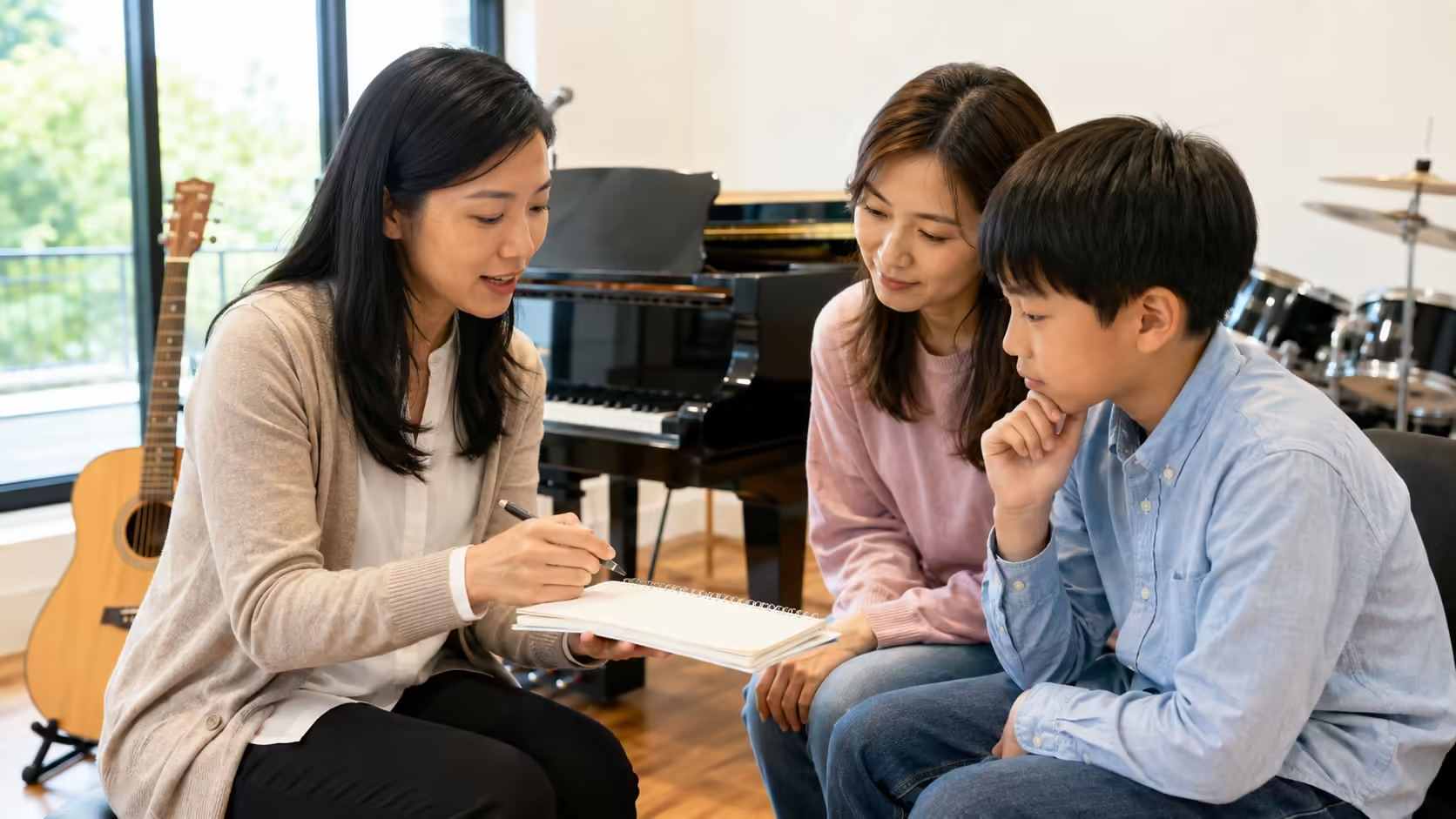
Can you learn two instruments at the same time? Yes, many students can. Still, learning two instruments at the same time is not the best move for everyone. Some people do well when they learn two instruments at once. Others lose focus, feel tired, and make slower progress than they hoped. This guide gives you a clear answer, simple practice tips, and a teacher’s honest view of what works and what does not.
This works best for students with steady practice habits and realistic goals. The main risk is trying to do too much at once and getting burned out. Whether you are a beginner, a parent, or an adult student exploring music lessons, this article will help you decide what to do next.
What You’ll Learn in This Guide

Can You Learn Two Instruments at the Same Time? The Short Answer
Yes, you can learn two instruments at the same time. That is the short answer.
The longer answer is more useful. You can do it if your schedule fits the plan, your goals are clear, and your practice stays focused. In many cases, the real question is not can you do it? The real question is should you do it right now?
A lot of students imagine that learning two instruments at once will double their growth. In real life, it usually means slower progress on each instrument, but wider music skills overall. That can still be a great trade.
Here is the teacher’s honest answer: Yes, if you have enough time and real interest. Yes, if one instrument is the main focus and the other is lighter. Maybe, if you are a full beginner with a packed week. No, or not yet, if one instrument already feels hard to manage.
What Learning Two Instruments at the Same Time Really Means
Before you decide, it helps to define the idea. There are three main versions of this.
| Path | What It Means | Difficulty |
|---|---|---|
| Two from zero | Starting both instruments at the same time from scratch | Hardest — learning posture, tone, rhythm, and reading twice |
| Main + second | One instrument gets more time, the other gets shorter sessions | Best balance — lowers pressure, gives variety |
| Add later | Learn one for 6–12 months, then add a second | Easiest — first instrument’s habits carry over |
That first instrument helps a lot. Music reading, rhythm, listening, and practice habits can carry over to the second instrument. Research also shows music training may help with finger control, rhythm, and listening skills that transfer between instruments.
Why People Want to Learn Two Instruments at Once
People usually have good reasons for asking this question.
Some students love more than one sound. A child may love piano at home and trumpet at school. An adult may want guitar for songs and piano for theory. A singer may want an instrument for self-accompaniment.
Other students want more choices. They want to join band, play at church, write songs, record tracks at home, or switch between styles. Parents often ask too — piano plus violin may build strong music skills, or a child may want to explore before picking one path.
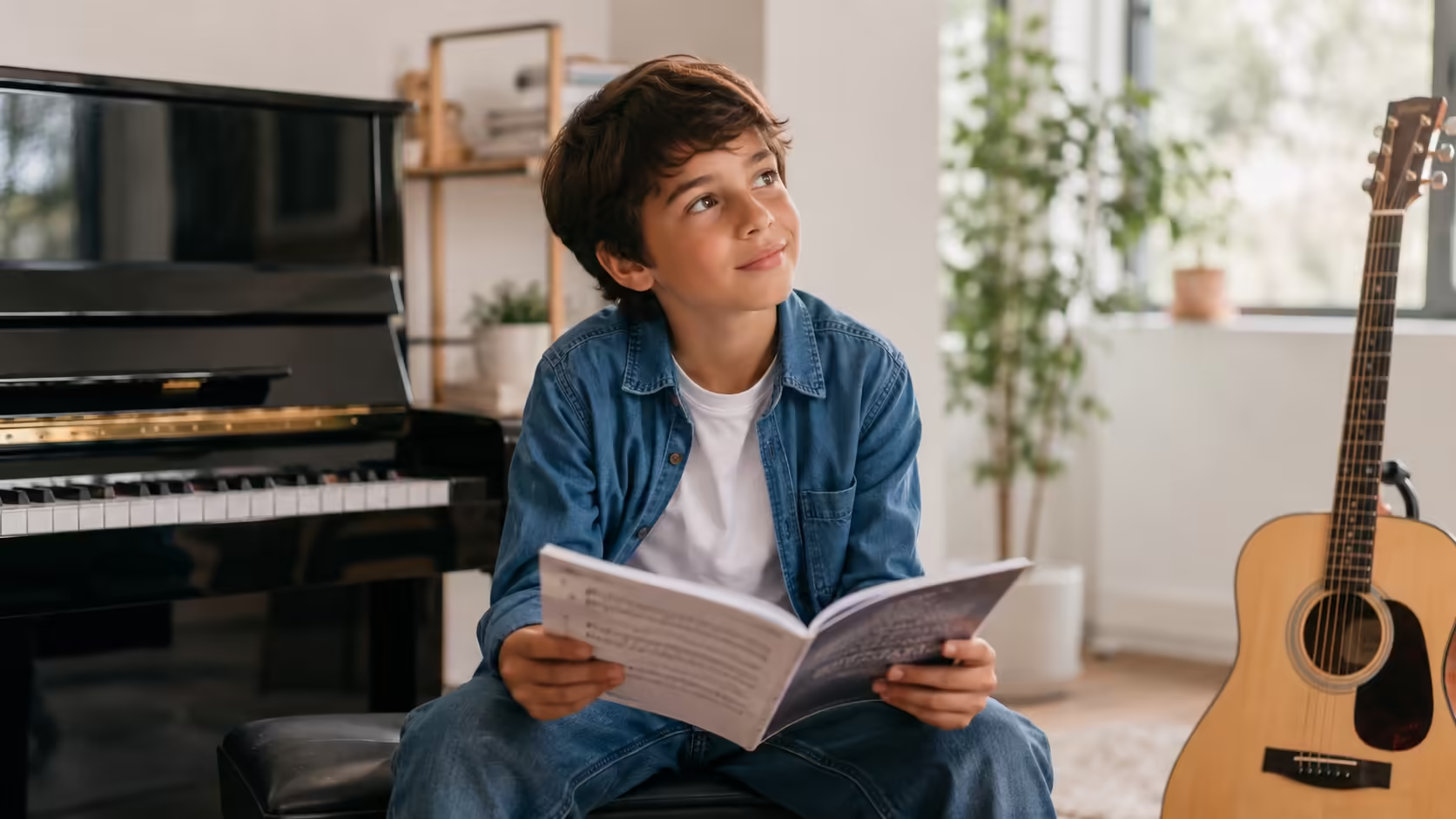
These are all fair reasons. The key is matching the reason to the right plan.
Benefits of Learning Two Instruments at the Same Time
1. You Build Wider Music Skills
Two instruments can show you music from two angles. Piano may teach harmony and note layout. Violin may sharpen pitch awareness. Drums may improve timing. Guitar may make chord patterns feel practical. This wider view can make you a more flexible musician.
2. One Instrument Can Help the Other
Some skills carry over:
- Steady pulse
- Reading rhythm
- Listening for pitch
- Phrase shape and dynamics
- Ensemble awareness
Research suggests that music training can help related skills — finger control, rhythm, listening, and hearing small sound differences.
3. Practice Can Feel More Fresh
Some students get bored if they practice one instrument only. A second instrument can feel like a reset. You still work, but the change keeps your mind awake.
4. It May Fit Real-Life Goals Better
If you sing, writing songs may be easier with guitar or piano. If you play in school band, piano can still help with note reading and theory. If you want to record music, knowing keys, chords, rhythm, and melody from different instruments can help a lot.
Drawbacks of Learning Two Instruments at the Same Time
1. Progress Often Feels Slower
You are splitting your time and attention. So, a student who only practices piano may improve faster on piano than a student who practices both piano and violin. That does not mean the second student made a bad choice. It just means the path is different.
2. Weak Basics Can Sneak In
Every instrument has early habits that matter a lot — hand position, posture, tone production, breathing, finger control, and relaxed movement. If you rush those basics on two instruments at once, problems can stay longer than you expect.
3. Burnout Can Show Up Fast
This happens when students try to do too much, too soon. They take two lessons, get two sets of homework, and keep adding harder music. Then practice turns into stress. Short, focused practice is better than long, messy practice. (See our guide on the 10-minute practice rule for why short sessions work better.)
Can Beginners Learn Two Instruments at the Same Time?
Yes, beginners can — but they need more care. A complete beginner uses a lot of mental energy on very small tasks. Add a second instrument, and that mental load grows.
| When It Works | When It Usually Doesn’t |
|---|---|
| Practice time is steady | Less than 20–30 minutes most days |
| One instrument is the main one | Student already avoids practice |
| The student likes both instruments | Both instruments are highly technical |
| The teacher keeps goals small | Schedule is full of sports, school, other lessons |
| The family does not rush the process | Student wants fast results on both |
Honest Beginner Rule: If you are a beginner and unsure, start with one instrument. Then add the second after a few months. This is often the smoothest path.
Are Some Instrument Pairs Better Than Others?
Yes. Some pairs work better because the skills support each other.
| Pair | Why It Works | Watch Out For |
|---|---|---|
| Piano + Voice | Piano helps with pitch, chords, and self-accompaniment | Still need piano basics |
| Guitar + Voice | Great for songwriters — portable and song-friendly | Singing while changing chords feels hard at first |
| Piano + Violin | Piano helps with reading and harmony, violin builds listening | Violin tone takes patience |
| Piano + Guitar | Both teach chords and song structure — ideal for songwriting | Hands get tired faster |
| Drums + Piano | Builds rhythm, reading, and coordination | May be too much for very busy students |
Pairings That Can Feel Harder
Some pairings are simply more demanding if both start from zero: violin + trumpet, drums + violin for a young child, oboe + violin, or two advanced classical instruments with daily technique work. That does not mean “never.” It means “plan carefully.”
Can You Learn Piano and Guitar at the Same Time?
Yes, and this is one of the most common pairings. Piano and guitar work well together. Both teach chords, song structure, accompaniment, and harmony. So, this pair is a good choice for songwriting, worship music, teaching, or learning popular songs.
Why it works: You learn chord function in two ways. Songs transfer well between the two. One instrument can explain the other.
What makes it hard: The left hand does very different jobs. Finger pain can slow new guitar students. Students may expect quick results because both are common instruments.
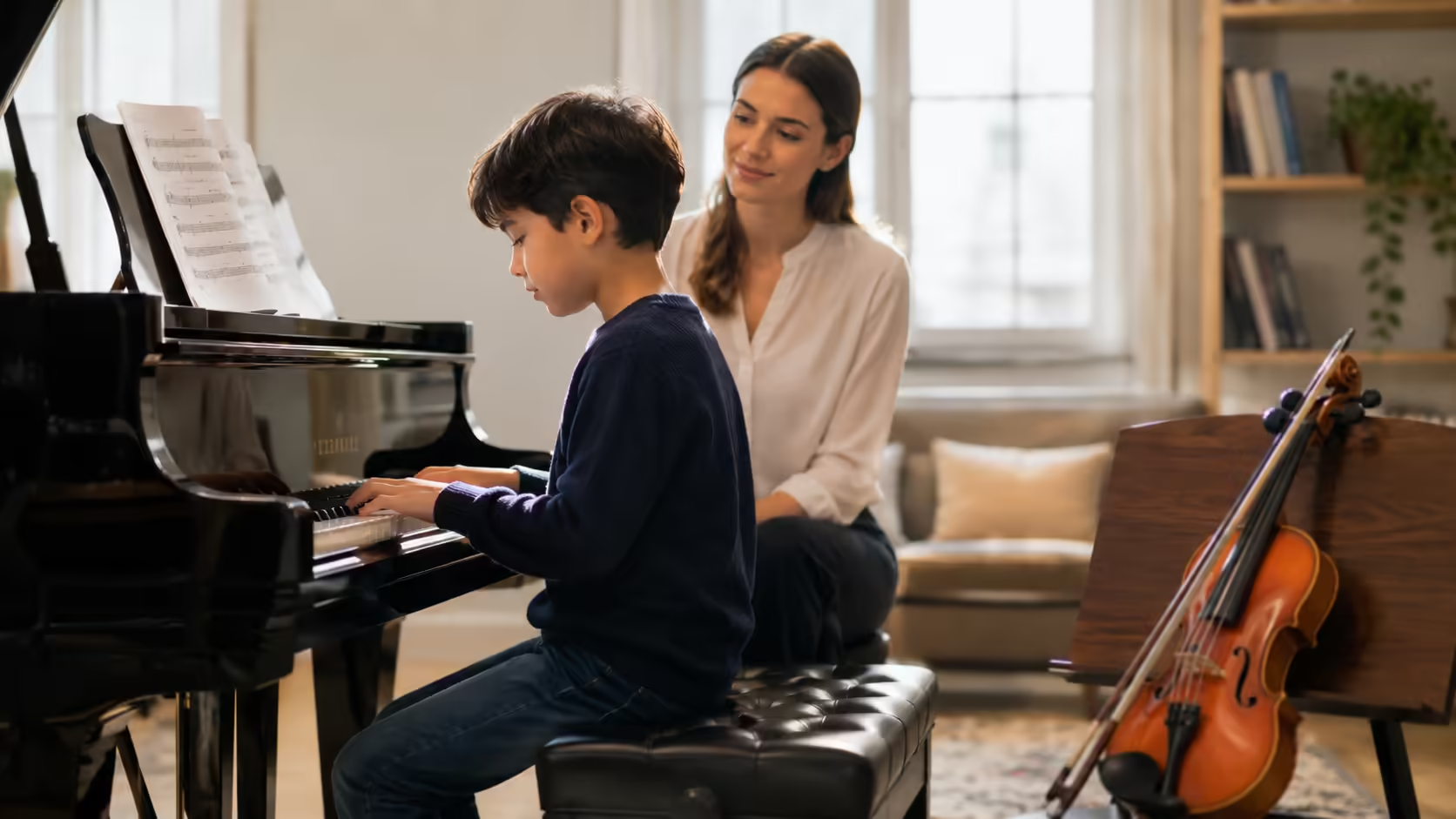
If time is tight, choose one as the main instrument. For many students, piano is the stronger “base” because the visual layout is clear. Still, guitar may be the better main instrument if singing and live performance matter most.
Can You Learn Violin and Piano at the Same Time?
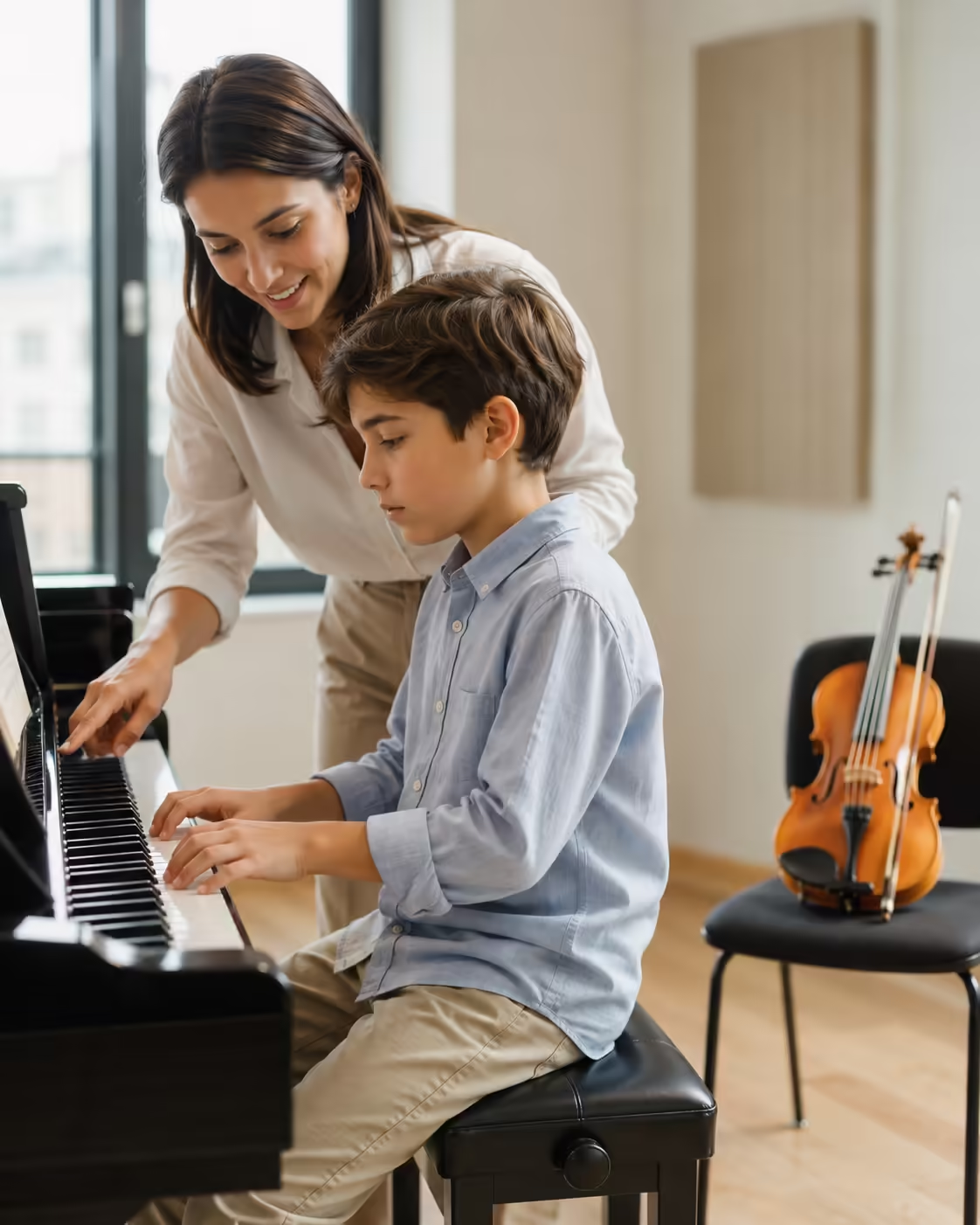
Yes, but this pair needs patience. Piano can help violin students understand pitch layout, harmony, and note reading. Violin can help piano students listen more closely and shape musical lines with care.
Why Violin and Piano Can Be a Strong Pair
- Piano gives a clear map of high and low notes
- Violin develops the ear in a deep way
- Both work well for classical training
Why Violin and Piano Can Feel Tough
- Violin tone is hard at first
- Intonation takes time
- Bow control is physical and sensitive
- Students may feel “better” at piano and get discouraged on violin
That uneven feeling is normal. The two instruments grow at different speeds.
Can You Learn Voice and an Instrument at the Same Time?
Yes. In many cases, this is one of the smartest combinations. Voice plus piano, guitar, or ukulele is practical and fun. You can sing and accompany yourself, learn songs faster, and understand harmony more clearly.
Best Instrument Choices for Singers
- Piano for theory and clear note layout
- Guitar for songs and portable accompaniment
- Ukulele for a lighter entry point
Common Mistakes
- Learning full songs before building basics
- Singing with tense posture while playing
- Choosing keys that do not fit the voice
- Skipping rhythm work
If you sing and play, keep one goal per session. For example: “Today I will keep the beat steady through the chorus.” That is enough.
How Much Practice Time Do You Need for Two Instruments?
This depends on age and level. Here is a simple guide.
| Student Type | Main Instrument | Second Instrument |
|---|---|---|
| Child beginner | 10–15 min, 5 days/week | 10 min, 3–5 days/week |
| Teen beginner | 20–30 min, 5 days/week | 15–20 min, 3–5 days/week |
| Busy adult | 20–30 min, 4–5 days/week | 15–20 min, 3–4 days/week |
The best routine is one you can keep for months. Short sessions done often beat long sessions done once in a while. Research on spaced practice supports this idea — distributed practice tends to strengthen memory more than massed practice.
A Simple Weekly Practice Split
This is just a model. Some students do better with 70/30. Others use 80/20 at first.
Should You Practice Two Instruments Every Day?
Sometimes yes. Sometimes no. If you have only 30 minutes a day, practicing both every day may feel rushed. In that case, alternating can work better.
- Both daily: Best for short sessions, high motivation, students who like routine
- Main daily, second 3x/week: Best for students with one clear priority, beginners, busy adults
- Alternate days: Best for students who need more focus per session, or instruments with higher physical demand
The Best Way to Learn Two Instruments at Once Without Burnout

1. Pick a main instrument. This solves a lot of problems. If time gets tight, you still know what comes first.
2. Keep goals small. Use one goal per session: one scale, one short section, one rhythm pattern, one chord change, or one tone goal.
3. Use interleaving. A mixed session can help memory and attention. Interleaved practice has been linked with stronger long-term learning in music tasks, even when it feels less smooth in the moment.
4. Spread practice across the week. Do not cram all your work into one long day. Spaced learning supports better retention.
5. End with something enjoyable. This matters a lot for motivation. A short fun piece, a favorite song, or five minutes of free play can help students keep coming back.
Many students think good practice means more minutes. It does not. Good practice means clear attention.
Common Mistakes Students Make
Starting without a schedule. “I’ll practice when I get time” usually fails.
Expecting equal progress. One instrument may click faster. That is normal.
Picking two hard new pieces at once. This creates stress. Try one challenge piece and one easier piece instead.
Skipping technique. Songs are fun. Still, tone, posture, rhythm, scales, and reading create the base.
Pushing past fatigue. Physical and mental fatigue can build bad habits. Breaks help. (If you wonder how to spot progress through these challenges, read how to know if you’re making progress.)
How Parents Can Support a Child Learning Two Instruments
Parents matter a lot here. A simple, calm structure helps more than pressure does. Good practice is intentional practice, even if the session is short.
Helpful Parent Moves
- Choose a regular practice time
- Leave the instrument easy to reach
- Use short goals
- Keep a practice log
- End with a fun piece
- Watch for signs of overload
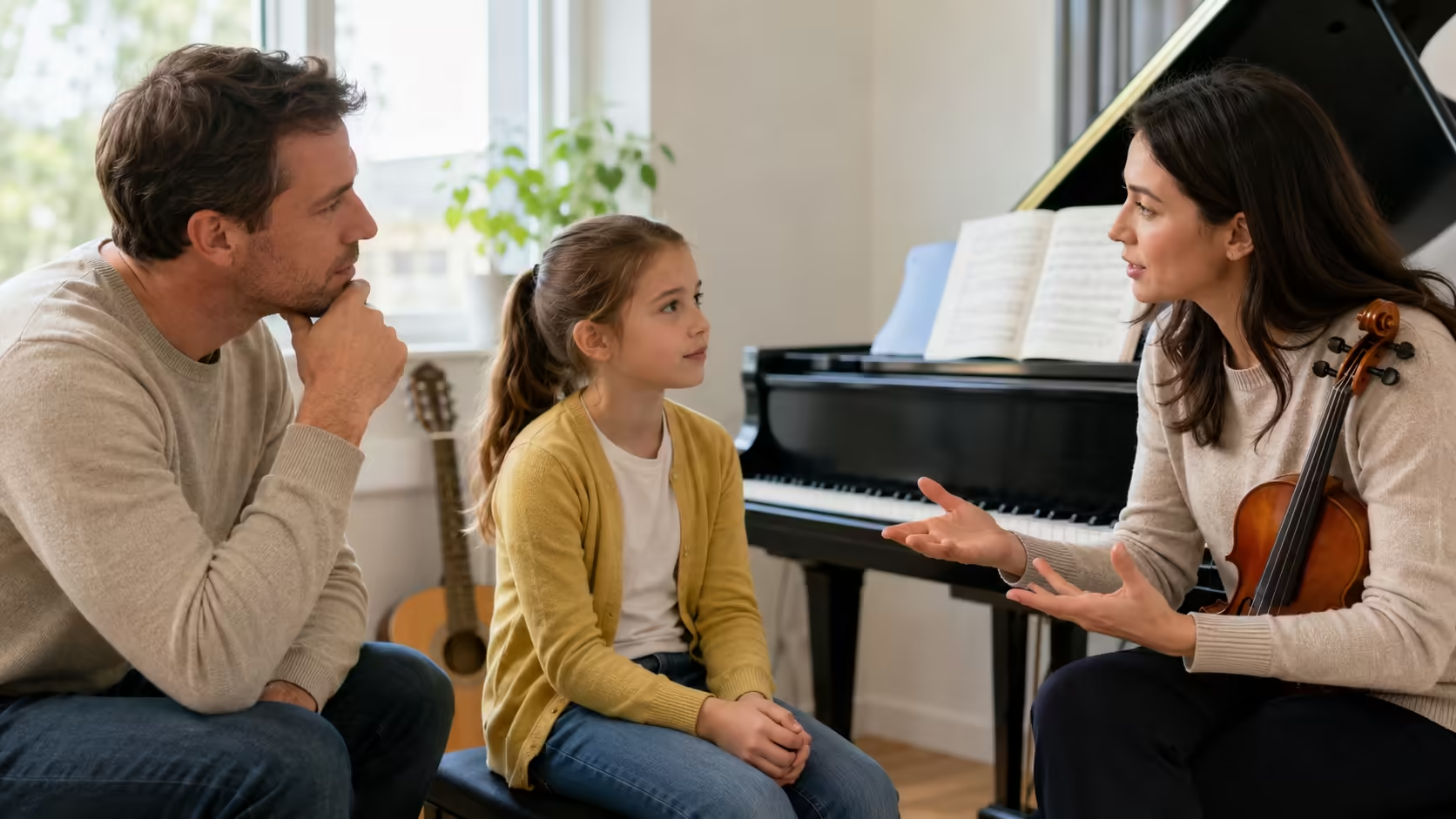
Signs a Child May Need Less
- Crying before practice
- Constant delay tactics
- Sharp mood change
- Loss of interest in both instruments
- Soreness or tension
If you see these signs, lower the load. You do not need to quit music. You may just need a simpler plan.
How Adults Can Make It Work
Adults often ask, “Can I learn two instruments at the same time, or am I too old?” You are not too old. (See our full guide on adult music lessons for all skill levels.)
Adults Do Well When They:
- Know why they want both instruments
- Protect time on the calendar
- Accept beginner mistakes
- Choose music they enjoy
- Keep goals realistic
A Good Adult Rule: If your work week is full, do not aim for perfect balance. Aim for consistency. Twenty focused minutes beats a one-hour session you skip every week.
Is It Better to Master One Instrument First?
Sometimes yes. Sometimes no. If you want strong basics, fast early progress, and less stress, learning one instrument first is often the better choice. If you want variety, your goals need two instruments, and your routine is strong, learning two instruments at once can make sense.
The balanced answer for most students: start one instrument, build basic reading and practice habits, add a second instrument later, and keep the second lighter at first. This gives you the best of both paths.
Final Verdict: Can You Learn Two Instruments at the Same Time?
Yes, you can learn two instruments at the same time. That said, the best answer is still personal. If you have enough time, a clear plan, and a true interest in both instruments, this can work very well. If your life is already full, or one instrument already feels like a stretch, starting with one may be the smarter move.
The key is simple. Do less, but do it well. Use short sessions. Spread them across the week. Keep one instrument as the main focus if needed. Watch your energy, your posture, and your motivation. Then adjust as you go.
If you remember one thing, let it be this: learning two instruments at the same time is possible, but success depends more on structure than on talent.
Thinking about adding a second instrument? Book a free trial lesson with K&M Music Company and let our teachers help you design a plan that actually works for your schedule.
Frequently Asked Questions
Can a child learn two instruments at once?
Yes, if the child has real interest, enough time, and a calm routine. Attention span and parent support matter more than age alone.
Can adults learn two instruments at the same time?
Yes. Adults often do well because they can plan and set goals. The adult brain continues to learn and form new connections at any age.
Will learning two instruments slow me down?
Usually yes, at least on each single instrument. Still, it may grow your overall musicianship in useful ways.
What are the best two instruments to learn together?
Piano and voice, guitar and voice, piano and violin, and piano and guitar are common strong pairs because skills transfer between them.
Should beginners learn two instruments at the same time?
Some can. Many do better by starting one first and adding the second after a few months.
Should I practice both instruments every day?
Maybe. If daily switching feels rushed, alternate days or use a 60/40 split between your main and second instrument.
What if I feel stuck on both?
Cut back. Make one instrument the main focus for a while. Keep the second easy and enjoyable until momentum returns.