
Last Updated: May 18, 2026 | By K&M Music Company | San Diego, California
Piano vs Violin vs Guitar: Which Is Best? Compare cost, difficulty, sound, and fit to choose wisely.

Choosing between piano, violin, and guitar can feel confusing. However, the best choice depends on your budget, goals, music taste, and practice time. Piano is best for a strong music base. Guitar is best for playing songs and traveling easily. Violin is best for emotional melodies and classical music.
There is no single winner for every person. Still, there is a best choice for you. This full piano vs violin vs guitar guide breaks down difficulty, cost, sound, age, practice time, and long-term value in simple words. Whether you are exploring music lessons for the first time or helping a child choose, this guide will help you decide.
What You’ll Learn in This Guide

Piano vs Violin vs Guitar: Quick Answer
If you want the short answer, here it is:
- Choose piano if you want the best all-around start.
- Choose guitar if you want to play songs quickly and carry your instrument anywhere.
- Choose violin if you love a singing tone and do not mind a slower start.
For many beginners, piano is the easiest place to start. Each key gives a clear note right away, and the keyboard makes scales and chords easier to see. Guitar can help beginners play songs faster after they learn a few chords. Violin is usually hardest at first because tone and pitch take more time.
Simple Verdict by Goal
| Goal | Best Choice |
|---|---|
| Best for total beginners | Piano |
| Best for portability | Guitar |
| Best for classical lovers | Violin |
| Best for music theory | Piano |
| Best for singer-songwriters | Guitar |
| Best for orchestra | Violin |
Piano vs Violin vs Guitar at a Glance
Here is a quick comparison you can scan in under a minute.
Beginner Difficulty
| Instrument | Difficulty (Beginner) |
|---|---|
| Piano | ★★☆☆☆ |
| Guitar | ★★★☆☆ |
| Violin | ★★★★★ |
Portability
| Instrument | Portability |
|---|---|
| Violin | ★★★★★ |
| Guitar | ★★★★☆ |
| Piano | ★☆☆☆☆ |
Piano is often easier at first and great for theory, solo playing, and quiet practice with headphones. Violin is usually hardest at first but excellent for orchestra and expressive music. Guitar is medium difficulty, portable, and ideal for singing along.
What Makes Piano, Violin, and Guitar Different?
Piano
The piano is a keyboard instrument. You press a key, and a note sounds. The big strength of piano is its layout. Notes move left to right in a clean pattern. That makes scales, chords, intervals, and harmony easier to understand.
Violin
The violin is a bowed string instrument. It has no frets, so your ear and hand must work together to find the right pitch. That is why violin feels so expressive — small changes in finger place, bow speed, and pressure change the sound.
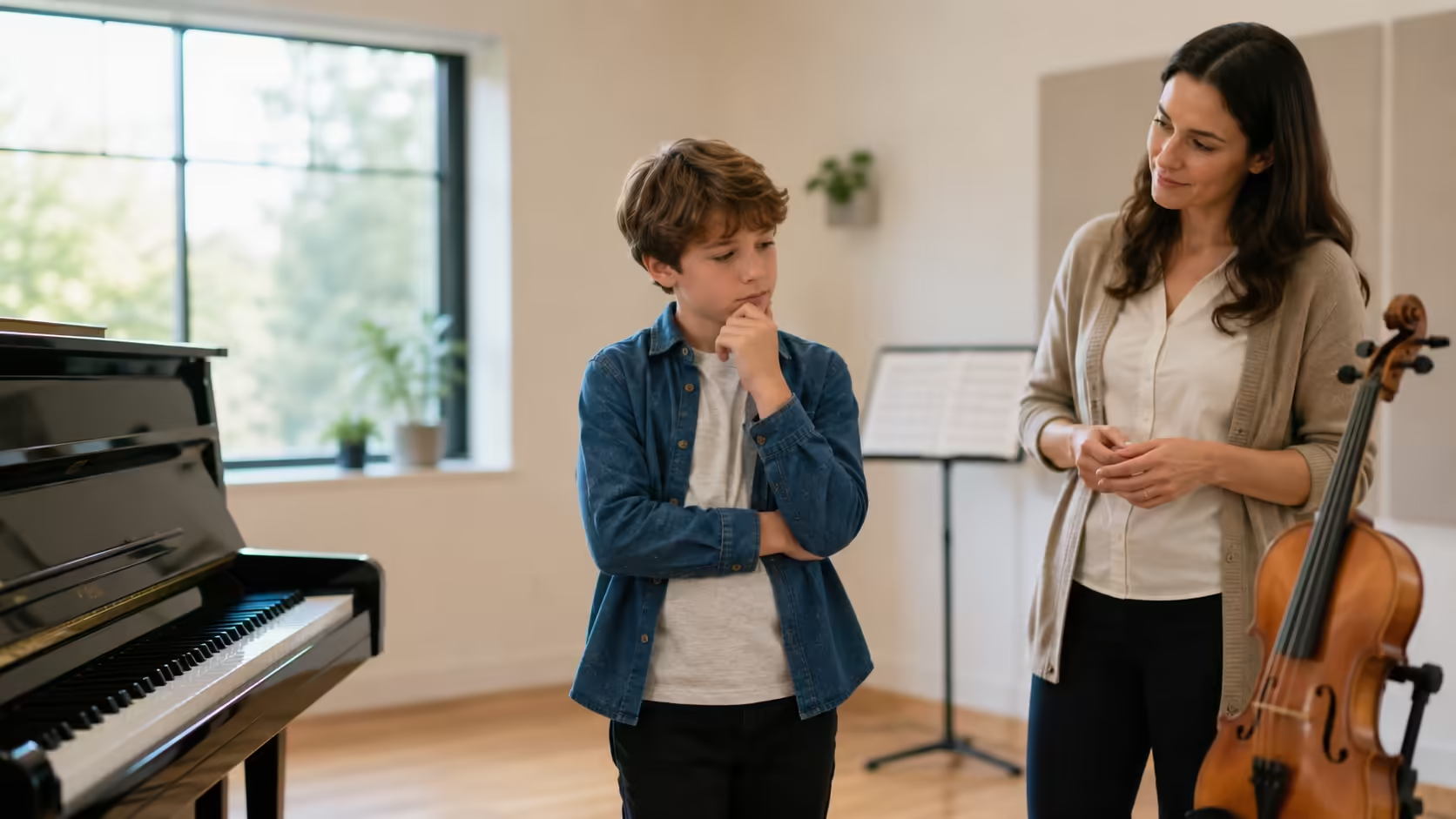
Guitar
The guitar is a fretted string instrument. You can strum chords, pick single notes, or do both. The guitar’s big strength is practicality. Learn a few basic chords, and you can play a huge number of songs. That quick reward keeps many beginners going.
Which Is Easiest to Learn: Piano vs Violin vs Guitar?
Why Piano Is Often Easiest at the Start
Piano gives instant clean notes. You press a key, and the pitch is right. You do not need calluses. You do not need to tune finger position by ear for every note. Many beginners can play simple melodies within the first few lessons. The note layout is visual too — white keys and black keys show patterns clearly.
Why Guitar Feels Easy and Hard at the Same Time
Guitar can be painful at first. Fingertips get sore. Chords feel awkward. Yet guitar also gives fast wins. Once you know a few common chords, you can strum many real songs. That early success is a big reason guitar stays popular for beginners.
Why Violin Is Hardest at the Start
Violin asks for three things at once: good bow control, accurate finger placement, and careful listening for pitch. Since it has no frets, beginners often play slightly sharp or flat at first. Violin usually has the slowest early reward curve of the three.
The question is not just “Which instrument is hardest?” A better question is “Which hard parts bother me least?” If you hate sore fingers, guitar may annoy you early. If you hate squeaky sounds, violin may test your patience.
Piano vs Violin vs Guitar Cost: Which Is Cheapest?
Cost matters. A great instrument choice can still become a poor choice if it does not fit your budget.
Lesson Cost Comparison
| Lesson Type | Piano | Violin | Guitar |
|---|---|---|---|
| Average 60-min in-person lesson | $75–$110 | $80–$120 | $65–$90 |
Violin lessons are often the highest of the three, piano sits on the higher side, and guitar lands in the middle. Many schools charge about $32 to $45 for 30-minute lessons. Price changes by location, teacher experience, lesson length, and student level.
Extra Costs People Forget
| Piano | Violin | Guitar |
|---|---|---|
| Stand or bench, pedal, headphones, tuning for acoustic | Rosin, shoulder rest, extra strings, bow care | Picks, capo, strap, tuner, strings, case |
For many people, guitar or a digital keyboard is the easiest budget start. A full acoustic piano is the most expensive route. Violin can start at a fair price, but lesson costs can be higher over time. (For a deeper look at piano costs, see our guide on how much piano lessons cost in San Diego.)
Piano vs Violin vs Guitar for Kids
Parents often ask a slightly different question: “Which instrument will my child actually stick with?”

Piano is a strong choice for children because the notes are easy to see, and the keyboard helps explain basic music ideas clearly. Violin works well because it comes in small sizes — some children start around age four — and builds focus and posture. Guitar appeals to kids who want songs fast and covers many styles.
Best Child Picks by Type
- Best for broad music learning: Piano
- Best for expressive classical training: Violin
- Best for fun song playing: Guitar
A good instrument choice for a child should match the child’s music taste, attention span, hand size, teacher access, family budget, and home practice space.
Piano vs Violin vs Guitar for Adults
Adult beginners usually care about time, stress relief, and steady progress.
Piano works very well for adults who want structure and clear progress. A digital keyboard with headphones makes late-night practice easier. Guitar is great for adults who want a flexible, casual instrument. Violin suits adults who enjoy careful practice and do not mind slow early gains.
Best for Stress Relief
- Piano feels full and calming.
- Guitar feels relaxed and social.
- Violin feels emotional and expressive.
If you picture yourself playing alone after work, piano may win. If you picture singing your favorite songs, guitar may win. If you picture shaping a long, lyrical melody, violin may win. (Learn more about starting later in life in our adult music lessons guide.)
What Music Can You Play on Piano vs Violin vs Guitar?
If you do not love the music your instrument plays best, you may quit. So this matters.
| Instrument | Best Styles |
|---|---|
| Piano | Classical, jazz, pop, worship, film music, musical theatre, composing |
| Violin | Classical, orchestra, folk, Celtic, chamber music, film music, some fusion |
| Guitar | Pop, rock, folk, blues, country, worship, indie, singer-songwriter |
Best for Songwriting
- Piano: best for harmony and full-song structure
- Guitar: best for lyrical writing and chord-driven songs
- Violin: best for melody ideas and phrasing
Piano vs Violin vs Guitar for Music Theory and Reading Music
Piano is strongest for theory. You can clearly see steps, intervals, and chords on the keyboard. Many teachers use piano to teach theory for this reason.
Guitar teaches patterns. Barre chords, scale boxes, and fretboard patterns are very useful. Still, many beginners take longer to “see” theory on guitar than on piano.
Violin builds ear training. You must listen carefully for intonation, which sharpens pitch awareness quickly.
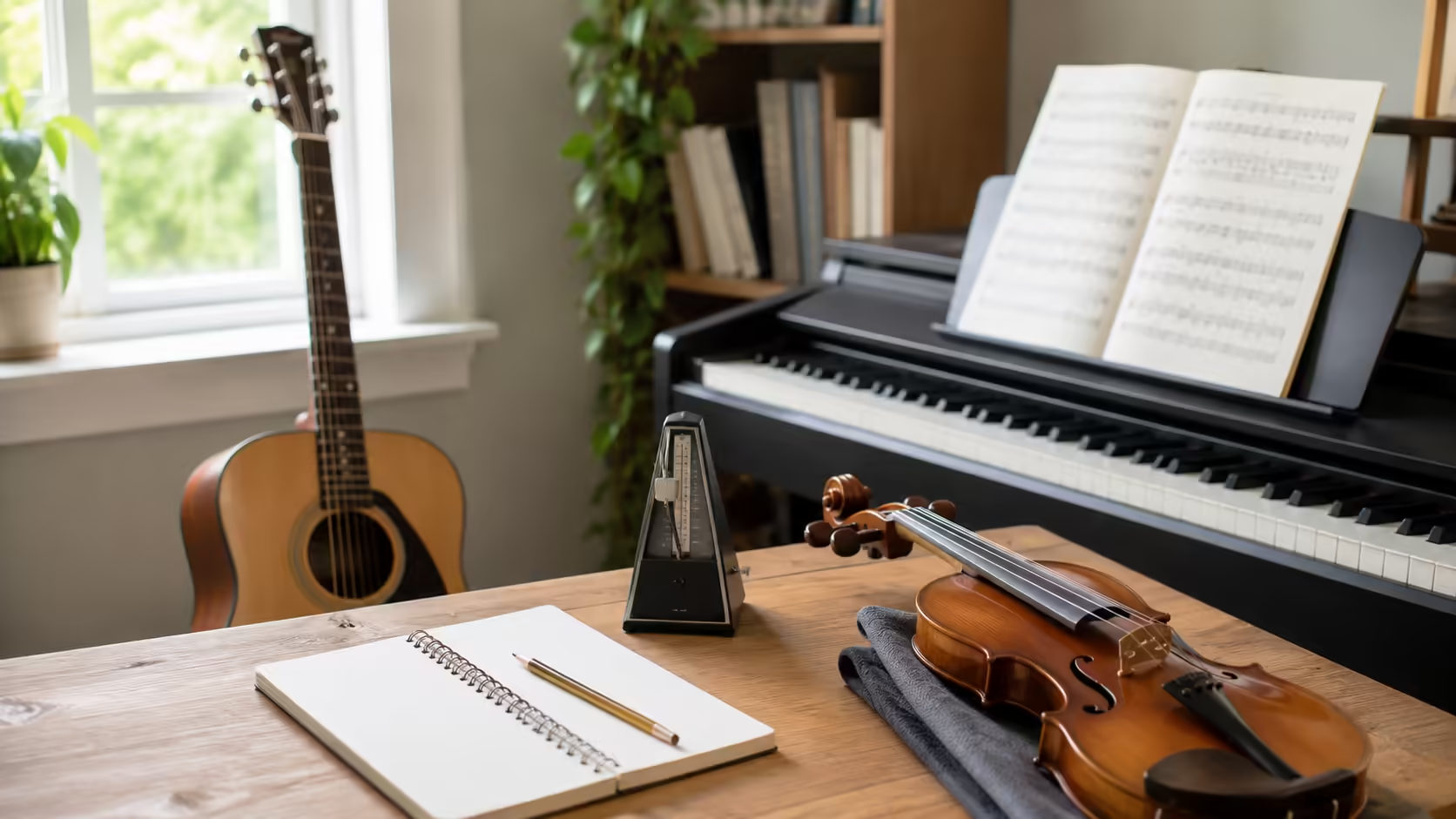
Which Is Best for Reading Music?
- Piano: strongest for reading both hands and broader score work
- Violin: strong for treble clef reading
- Guitar: often uses tabs, chord charts, and standard notation
If your goal is the widest music base, piano usually leads.
How Long Does It Take to Sound Good?
| Timeframe | Piano | Guitar | Violin |
|---|---|---|---|
| First week | Play a simple melody fast | Learn basic chord shapes | Focus on hold, bowing, open strings |
| First month | Simple tunes with both hands | Strum easy songs with open chords | Very simple melodies, rough tone |
| 3–6 months | Sound more complete in solo pieces | Know more songs | Sound more stable and in tune |
Why violin feels slower: Violin has a high skill load early. Pitch, tone, bow angle, and posture all matter. A new violin player may work hard for a result that sounds simple — but later the payoff is huge.
Practice Time: Which Fits Your Life Best?
Your schedule matters more than most “best instrument” lists admit.
If You Only Have 10 to 15 Minutes a Day
Guitar works well for quick song practice. Piano works well for short drills and melody work. Violin benefits from daily short practice too, but it often asks for more focus.
If You Need Quiet Practice
A digital keyboard with headphones is one of the best quiet practice tools. An electric guitar with headphones can also be very quiet. Violin is harder to silence, though mutes can help.
If You Travel or Move Often
Guitar and violin are far easier to carry than piano. A portable instrument often gets played more — and that changes how fast you progress.
Should You Learn Piano, Violin, or Guitar First?
This question matters if you think you may learn more than one later.
- Start with piano for a broad music foundation. Piano helps with theory, note reading, and hearing chord movement — which makes later instrument study easier.
- Start with guitar if your goal is songs, singing, and quick enjoyment. Motivation matters more than perfect theory.
- Start with violin if violin is the sound that moves you most. A hard instrument you love can beat an easy instrument you do not care about.
How to Choose Between Piano, Violin, and Guitar in 5 Simple Steps
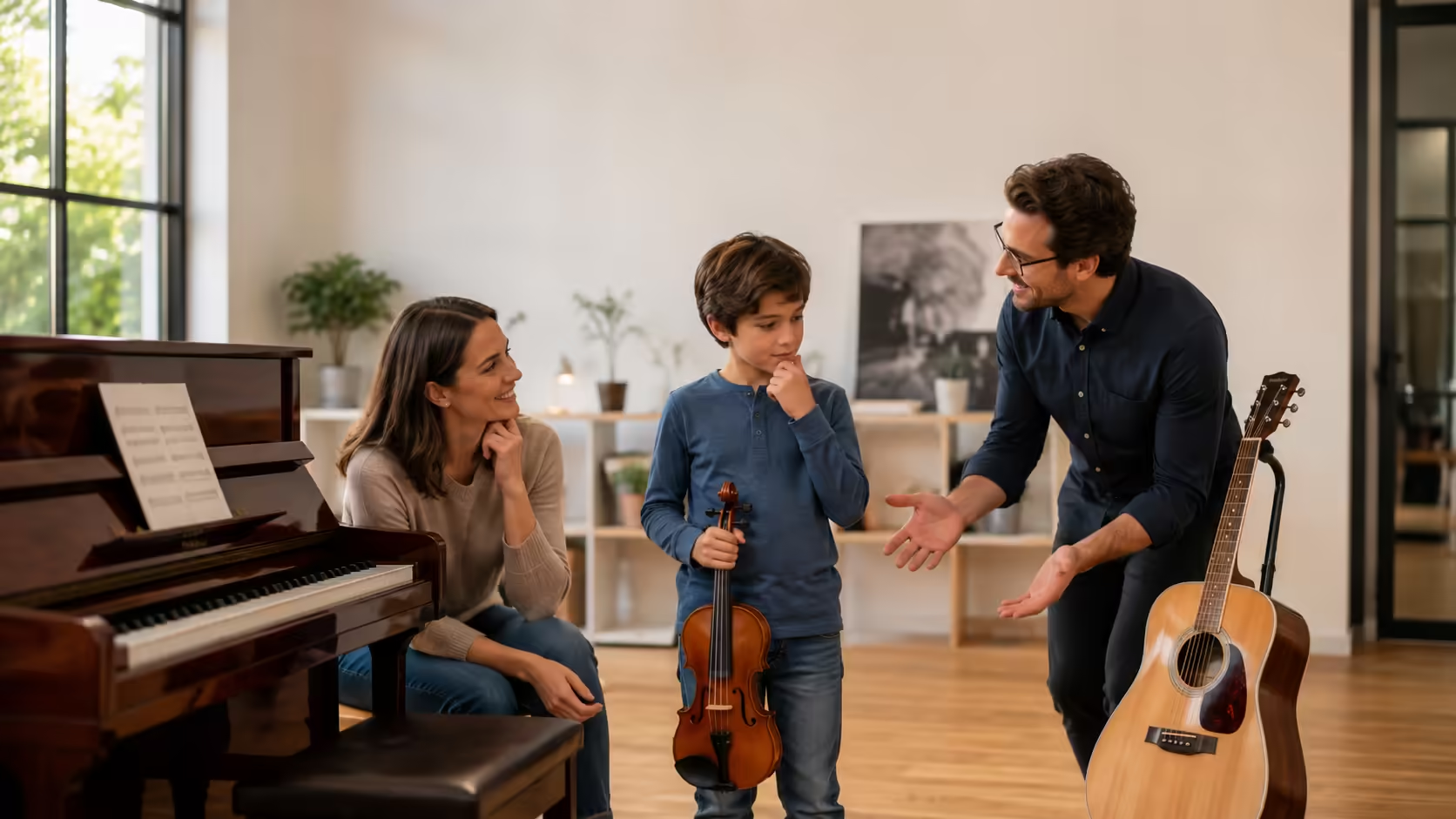
1. Pick your main goal. Do you want fun, formal lessons, singing, orchestra, songwriting, or stress relief?
2. Set your budget. Think about instrument cost, lesson cost, accessories, repairs, and space at home.
3. Match the instrument to your music taste. Love pop or folk? Guitar. Love classical or jazz harmony? Piano. Love orchestral sound? Violin.
4. Think about your home and schedule. Need headphones? Piano or electric guitar help. Need travel-friendly gear? Guitar or violin help. Need short practice blocks? Guitar and piano are often easier.
5. Try before you decide. A trial lesson can save you months of doubt. Book a free trial lesson with K&M Music Company to test the instrument before you commit.
Final Verdict: Piano vs Violin vs Guitar — Which Is Best?
For the widest number of people, piano is the best all-around answer. It is clear, visual, theory-friendly, and strong for solo playing. That makes it a great first instrument for both kids and adults.
Still, guitar may be best for you if you want songs fast, easy travel, and a social instrument that works well with singing. And violin may be best if you care most about expressive melody, classical sound, and the orchestra path.
The truth that matters most: the best instrument is the one you will keep picking up next week, next month, and next year.
Do not overthink the choice forever. Pick the instrument that matches your goals, your budget, your ears, and your daily life. Then start small, practice often, and let progress build. A ten-minute daily habit beats a perfect plan that never begins.
Still unsure? Book a free trial lesson with K&M Music Company and try piano, violin, or guitar in person. Your hands and ears will often tell you the answer faster than another week of reading.
Frequently Asked Questions
Is piano easier than violin and guitar?
For most beginners, yes. Piano gives the clearest first step because the note is already in tune when you press the key.
Is guitar easier than piano?
At the very start, piano is often easier. But guitar can feel more rewarding faster once you know a few chords.
Why is violin harder at first?
It has no frets. You must control pitch and tone by hand and ear at the same time.
Which is cheapest: piano, violin, or guitar?
Usually guitar or a digital keyboard. Acoustic piano is the most costly path. Lesson costs also matter over time.
Which instrument is best for a child?
Piano is a strong general choice. Violin is great for children who love classical sound. Guitar is great for children who want song-based fun. Interest and personality matter a lot.
Which instrument is best for adult beginners?
Piano and guitar are often the strongest adult picks. Violin fits adults who are patient and deeply drawn to its sound.
Which instrument is best for music theory?
Piano. The keyboard layout makes steps, intervals, and chords easier to see than on any other instrument.
Which instrument is best for singing along?
Guitar is often the easiest fit. Piano is also strong for self-accompaniment.
Which instrument is easiest to carry?
Violin is the easiest to carry, with guitar close behind. Piano is the least portable unless you use a small keyboard.
Can I learn more than one instrument?
Yes. Many people do. Still, starting with one gives better focus before adding a second.