
Last Updated: March 2026 | By K&M Music Company | San Diego, California
Social media is bringing classical music to a new generation by removing every traditional barrier. From TikTok to Spotify, here’s how digital platforms are fueling a genuine classical revival — and why it matters for music education, culture, and the future of this timeless genre of music.

If you’ve ever heard a beautiful piano piece on a TikTok video and wondered, “What is that?” — you’re already part of this story. Classical music is reaching younger audiences in a big way. And social media is the reason why. This is not a passing trend — it’s a cultural moment that is reshaping how people discover, share, and fall in love with orchestral and classical music.
🎵 Quick Snapshot
| Topic | What to Know |
|---|---|
| What’s happening | Social media is helping classical music grow — TikTok, YouTube, and Instagram are bringing in new listeners. |
| Streaming growth | A lot more people are streaming classical music now, especially on Spotify and Apple Music. |
| Viral musicians | Some classical musicians are going viral online, reaching global audiences. |
| Youth interest | Millennials and Gen Z are becoming a bigger part of the classical music audience. |
| Discovery path | Spotify, YouTube, and Apple Music make classical music easy to find through digital platforms. |
Why Classical Music Was Losing Its Young Audience
For decades, classical music had a serious image problem. Many young people saw it as old-fashioned, stiff, and only for wealthy adults. Concert halls had strict dress codes. Tickets were expensive. And nobody was talking about Brahms on the playground.
Classical music doesn’t have to feel this way — but for generations, the classical tradition remained wrapped in formality that kept curious listeners at a distance. Music education also started disappearing from schools. Budget cuts pushed arts programs out. Young people had fewer chances to learn about orchestras, composers, or instruments. So the gap between classical music and young listeners today just kept growing.

Meanwhile, pop music, hip-hop, and electronic modern music took over. These mainstream genres felt relatable and fun. They were everywhere — on the radio, in movies, and eventually on streaming platforms and digital platforms. Classical music, by contrast, felt far away from popular culture and pop culture entirely. The classical genre seemed stuck in the past, and its listenership was aging rapidly.
The Marketing Problem Nobody Fixed
Classical music institutions were slow to change. Most classical organizations and renowned orchestras relied on printed programs, radio spots from the local classical station, and formal advertising. There was no real music marketing strategy — no effort to meet young people where they actually spent their time online.
Symphony tickets can cost $80–$200, which is too expensive for many teens, millennials, and college students. Concert rules can feel intimidating — dressing up, staying very quiet, and not clapping at the wrong time. The classical music business had no active audience strategy for the next generation. But then something shifted. Social media arrived. And everything changed.
How Social Media Is Bringing Classical Music to a New Generation
Social media is bringing classical music to a new generation by doing one simple thing — making it easy to find. You don’t need a concert ticket. You don’t need formal music training. You just need a phone and an internet connection. This is how classical music is evolving through technology, social media, and digital context.
Social media platforms like TikTok and YouTube removed every traditional barrier. No dress code. No ticket price. No need to sit in silence for three hours. A young person can discover Chopin at 2am in their bedroom, wearing pajamas, and that experience can be just as powerful as any new concert hall. Social platforms gave classical music a new stage — and the audience showed up.
This is not a small trend. This is a full cultural shift — a classical revival driven by technology, creativity, and the power of short-form content.
The Algorithm Effect — Finding Music Without Looking for It
One of the biggest drivers of this shift is the recommendation algorithm. YouTube, TikTok, and Spotify all use algorithms to suggest new media based on what you’ve already listened to or watched. Some critics call it ai-sorted music — but for classical music consumption, it’s been transformative.
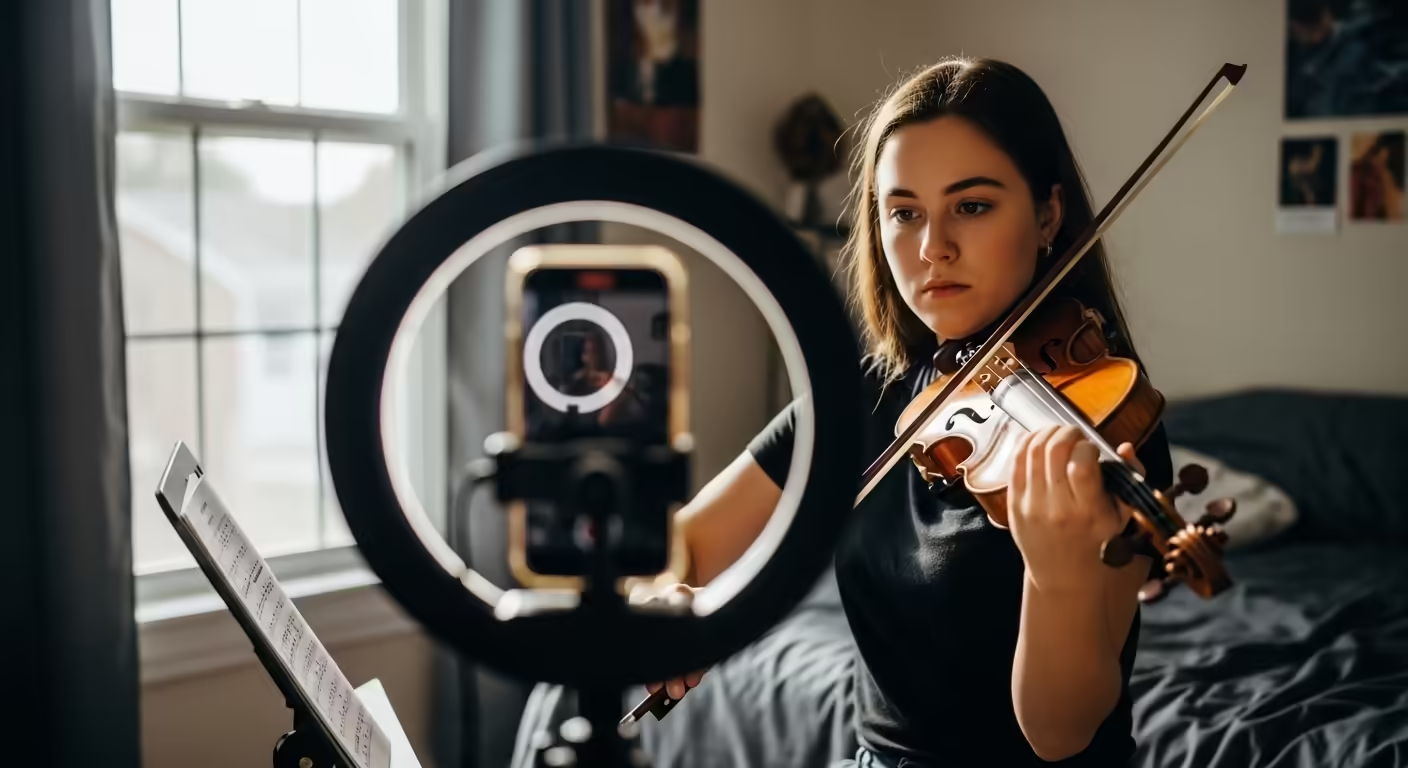
A teenager watching study tips on YouTube might get recommended a “Mozart for focus” playlist. A TikTok user scrolling through aesthetic videos might suddenly see a violinist playing Vivaldi. One click leads to another. Before long, they’re three hours deep into classical content and discovering beautiful melodies they never knew existed. (If you have a child who has shown sudden interest in learning an instrument because of this, check out our guide on how to find the right music teacher for your child in San Diego).
This “rabbit hole” effect shapes curated listening habits and mood-based listening habits in ways classical organizations never could through traditional marketing. It means young people don’t even need to look for classical music. The algorithm brings it to them — and that changes everything for how the genre reaches wider audiences.

TikTok and Classical Music — How 60-Second Clips Are Changing Everything
TikTok has become one of the most important social channels for classical music discovery. Its massive under-25 user base makes it the perfect place to introduce a new generation to orchestral music. And the numbers back this up.
The hashtag #ClassicalMusic has over 500 million views on TikTok. Related tags like #Piano, #Violin, and #Orchestra have hundreds of millions more. Classical music on TikTok is not a niche — it’s a massive, active classical community.
Why Short Clips Work So Well for Classical Music
You might think 60 seconds is too short to appreciate a symphony. But it’s actually the perfect length for discovery. A well-chosen clip can capture the most dramatic, emotional, or technically stunning moment of a piece — those instrumental sounds that stop you mid-scroll.
When a listener hears those 60 seconds and feels something, they go looking for the full version. That’s how classical music stimulates deeper exploration. The short clip becomes a doorway. And once that door opens, many curious listeners walk through it and never look back.
Some of the most viral sounds on TikTok come from classical pieces — sped-up symphonies, dramatic piano moments, and even clever remixes that blend classical melodies with modern beats. A DJ might layer Beethoven over an electronic beat. Remixes of Vivaldi get millions of plays. These aren’t dilutions of the art — they’re doorways into it.
Classical Musicians Who Went Viral on TikTok
Several classical musicians have built massive followings on TikTok. Younger artists are building large followings on Instagram too. Their success shows how hungry contemporary audiences are for this kind of content.
| Artist | What They’re Known For |
|---|---|
| Ray Chen | Violinist with millions of followers. Funny, relatable content alongside brilliant performances. A true classical influencer. |
| TwoSetViolin | Comedy meets music education — the Violin Channel of the internet age. |
| Alma Deutscher | A young composer and pianist — one of the most exciting voices in classical creation. |
| The Piano Guys | Cinematic crossover performances blending classical with pop and film soundtracks. |
These featured artists didn’t just gain online followers. Their TikTok fame translated into real concert ticket sales, classical album purchases, and classical recordings streams. Social media turned into a genuine promotion tool — proof that a music marketing strategy built on authenticity works.
Dark Academia and Classical Music
A style called “dark academia” became popular online. It focuses on old books, libraries, and studying. Classical music fits this aesthetic perfectly, so many TikTok and Instagram videos use musical pieces by Chopin, Bach, and Debussy. This trend introduced classical pieces and classical works to millions of young people who weren’t looking for them — a perfect example of social storytelling driving classical music consumption.
YouTube, Instagram, and the New Listening Experience
YouTube helps many people discover classical music. Big orchestras — including philharmonic orchestra ensembles and renowned orchestras worldwide — post full concerts for free, so anyone can watch great live performances online. This is orchestral appreciation at scale.
“Study With Me” videos show someone quietly studying while classical music plays in the background. Millions of students watch them. The ambient symphonies and instrumental music create the perfect mood for concentration. These videos have become one of the biggest drivers of classical music listening among young people.
Instagram and Relatability
Instagram helped make classical music look more exciting in the digital age. Musicians post practice videos, concerts, and behind-the-scenes clips, so fans feel more connected. Down-to-earth musicians sharing their daily lives builds the kind of genuine audience connection that formal concert programs never could. This is new artist development happening in real time — conservatory-trained musicians learning to be creators and content makers alongside their classical artistry.
Memes helped too. Funny posts about composers can make people curious and push them to try the music. A meme about Bach or Mozart can introduce someone to organ music, a quartet, or a classical violin performance they’d never otherwise find.
Streaming Platforms Are Changing Classical Music Consumption
Streaming apps like Spotify and Apple Music make classical music easy to find in the streaming era. More young people now listen to composers like Beethoven, Mozart, and Chopin. The shift from physical recordings and stereo systems to digital platforms has democratized access completely.
Many listeners stumble onto classical playlists without searching for classical music directly. A student looking for focus music finds “Brain Food.” A person who can’t sleep finds “Peaceful Piano.” They listen. They enjoy it. They explore further. This is how classical music evolves — one accidental discovery at a time.
Apple Music Classical: In 2023, Apple created a special app just for classical music. It has high-quality sound, composer information, and tools that make the classical repertoire easier to search and explore. This kind of technology investment shows that the classical music business is evolving — and that digital platforms see real value in this audience.
Crossover Artists — Genre-Blending That Builds New Audiences
Cross-genre collaboration is one of the most powerful forces driving new listeners to classical music. These artists bridge mainstream genres and the classical world, proving that classical doesn’t have to stay in a box.
Artists like Lindsey Stirling (electronic classical violin), 2CELLOS (rock covers on cello), and Clean Bandit (pop with orchestral elements) bring orchestral content to mainstream acts and charts. They represent a new voice in the classical world — instrumentalists who refuse to be limited by a single genre.

Classical string versions of popular songs also attract listeners. When someone hears their favorite pop track reimagined with a quartet or full orchestra, it often sparks interest in the original classical repertoire.
The Future of Classical Music in the Digital Age
So where does all of this lead? The future of classical music looks genuinely exciting — and social media is the engine driving creative momentum forward. How classical music is evolving through technology, social media, and digital innovation points to a bright future.
- Virtual reality concerts will let fans attend live symphony performances from anywhere — a new concert hall experience without walls.
- AI composition tools will help young musicians create contemporary compositions without formal training.
- Hybrid concert formats — shorter, more casual, screen-friendly live events — will attract young crowds to a global audience.
- Classical music in gaming and film soundtracks will keep building global audiences organically. (Did you know learning piano helps with other subjects? Read about group vs. private piano lessons to see how to start).
The generation that discovered Beethoven on TikTok will grow up. Some will become young musicians pursuing a classical career. Others will become concert-goers, donors, and advocates. Social media platforms that promote the soothing sounds of classical music today are shaping the listenerships of tomorrow. Social media isn’t just changing who listens to classical music today. It’s shaping what classical music will look like in 2035 — and how the next generation carries this cultural heritage forward.
How to Start Listening to Classical Music on Social Media Right Now
Ready to start your own classical music journey? Here’s a simple, step-by-step guide.
Step 1 — Choose Your Platform
- TikTok: Discovering short viral moments and finding relatable musicians.
- YouTube: Going deep with full concerts, tutorials, and documentaries.
- Spotify / Apple Music: Building playlists and exploring composers on digital platforms.
- Instagram: Following classical creators and enjoying visual content.
Step 2 — Start With These Gateway Composers
Don’t start with a 90-minute opera. Start with something short, beautiful, and emotionally accessible. These classical works are perfect entry points:
| Composer | Piece | Mood |
|---|---|---|
| Beethoven | Moonlight Sonata (1st Movement) | Emotional, dramatic |
| Chopin | Nocturne in E-flat Major | Calm, romantic |
| Vivaldi | The Four Seasons: Spring | Energetic, colorful |
| Mozart | Eine kleine Nachtmusik | Light, cheerful |
| Debussy | Clair de Lune | Dreamy, peaceful |
| Bach | Cello Suite No. 1 | Structured, meditative |
If exploring these pieces makes you want to try an instrument yourself, remember it’s never too late. We highly recommend looking into violin classes for adults or piano lessons to start your own journey.
Step 3 & 4 — Follow and Share
Pick one artist — TwoSetViolin, Ray Chen, Lindsey Stirling — and follow them. Let their content guide you. React honestly. Explore whatever catches your attention. Becoming part of the classical community makes the experience richer and more fun. Every person who shares a piece of classical music is part of this revival.
Frequently Asked Questions (FAQ)
Is classical music popular on social media?
Yes. Classical music is very popular on social media. Hashtags like #ClassicalMusic have over 500 million views on TikTok alone. YouTube and Spotify have also seen major growth in classical content, recordings, and streams.
Which social media platform is best for classical music?
TikTok is best for discovery. YouTube is best for in-depth listening. Spotify is best for building playlists. All three work well together for exploring classical music on digital platforms.
Why is classical music trending on TikTok?
Classical music trends on TikTok because of its emotional power and visual appeal. Short clips of dramatic performances go viral easily. The “dark academia” aesthetic trend has also driven huge interest among young people.
How do I start listening to classical music?
Start with accessible pieces by Beethoven, Chopin, or Vivaldi. Use Spotify or YouTube to find beginner playlists. Follow a musician you enjoy on TikTok or Instagram and let their content guide your discovery.
Is classical music growing or declining?
Growing — significantly. Social media has helped classical music reach new audiences, especially among younger listeners and millennials. More people are streaming it, buying tickets to live performances, and getting interested in instruments. This is a genuine cultural shift.
Can social media really help a classical career?
Absolutely. Social media has become essential for new artist development in classical music. Younger artists are building large followings online — turning digital audiences into real concert attendance, album sales, and long-term fan relationships.
Social Media Is Bringing Classical Music to a New Generation — And That’s Worth Celebrating
Social media is helping more young people find classical music. They discover it on TikTok, YouTube, Instagram, and Spotify. They find it through memes, reaction videos, cool aesthetic posts, and artists who mix classical with other musical genres. What we’re witnessing is a genuine revival — driven by technology, creativity, and the timeless emotional power of orchestral music.
The music hasn’t changed. Beethoven’s Fifth still hits the same way it did 200 years ago. What’s changed is how people find it. And thanks to social media, more people than ever are finding it — and loving it.
“Music is a higher revelation than all wisdom and philosophy.”
— Ludwig van Beethoven