
Last Updated: June 22, 2026 | By K&M Music Company | San Diego, California
Music lessons for seniors: why retirement is the perfect time to start. Music made possible, social, and joyful.
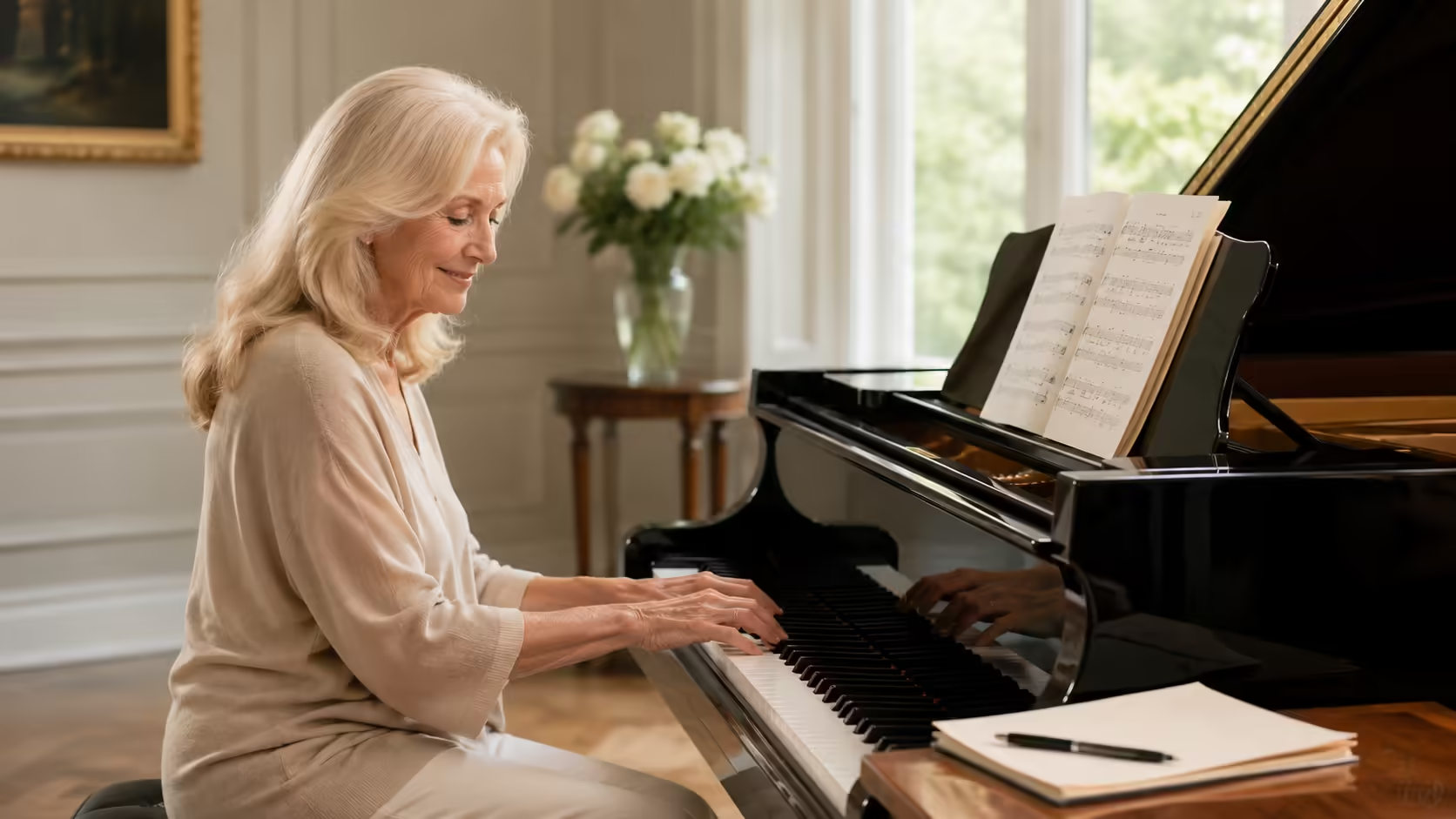
Many people wonder if they are too old to start music lessons. The answer is no. Many seniors begin as complete beginners and make steady progress. Music lessons can bring enjoyment, help keep the mind active, improve focus, and provide a new goal to work toward.
Retirement changes your schedule, your pace, and often your sense of identity too. For many people, that creates the perfect opening to try something they have wanted for years. Music often fits that moment well because it brings challenge, pleasure, and progress all at once. Whether you are looking at adult music lessons or returning to an instrument you played long ago, this guide will help you start.
What You’ll Learn in This Guide
- Why Retirement Is the Perfect Time
- What Music Lessons for Seniors Look Like
- Can Seniors Really Learn?
- 5 Benefits of Senior Music Lessons
- Why Retirement Often Works Better Than Earlier Life
- Best Instruments for Seniors
- Private, Group, or Online
- Common Fears
- How Lessons Can Be Adapted
- How to Start in 5 Steps
- Weekly Practice Plan
- New Instrument or Old One?
- FAQ

Music Lessons for Seniors: Why Retirement Is the Perfect Time to Start
Retirement gives many older adults something they did not have before: time with fewer work demands. That matters. Music takes repetition, but it does not need huge daily blocks. Even ten or fifteen minutes a day can build real skill over time.
Retirement also creates a fresh mental space. Some people want a hobby. Some want brain exercise. Some want a social outlet. Others simply want to do the thing they put off for decades, like learning piano, voice, guitar, or ukulele.
If you have ever thought, “Maybe someday I will learn,” retirement may be that someday.
What Are Music Lessons for Seniors?
Music lessons for seniors are simply music lessons that fit older adults. They may be:
- Private lessons
- Group classes
- Online lessons
- Community music programs
- Return-to-music lessons for former players
- True beginner lessons for adults starting from scratch
The good news is that older beginners are not unusual. There are absolutely no age limitations on who can enjoy music lessons, including older adults. Music lessons can help seniors connect with others, which may be especially helpful for people who feel lonely or isolated.

Can Seniors Learn Music Later in Life?
Yes. Seniors can learn music later in life. That answer deserves to be plain and direct because this is the fear sitting underneath many searches for music lessons for seniors.
People worry that music is only for children, that the brain changes too much with age, or that adult hands and memory make progress impossible. That view is too harsh. Learning later may look different from learning at age eight, but “different” does not mean “not possible.”
Strengths Older Adults Often Bring
- More patience
- Better self-direction
- Stronger reasons for showing up
- Greater emotional connection to songs
- Less concern with competition
Plenty of seniors are not trying to become concert performers. They want to play favorite songs, sing with more confidence, keep the mind active, or share music with family. Those are worthy goals. It is never too late to learn an instrument, whether you teach yourself or learn in a class environment. (Read more about whether you are too old to learn piano.)
5 Benefits of Music Lessons for Seniors
May Support Brain Health
Music lessons can help seniors keep the brain active. Playing music uses listening, memory, focus, timing, and movement all at once. Later-life instrument learning has been linked with improved attention, thinking skills, and mental health.
Boost Mood and Lower Stress
Music may also support mood and lower stress. Singing, listening, and playing can help seniors feel calmer, more engaged, and more positive. For retirees, this matters — a new routine can feel both exciting and strange, and music gives the week a gentle anchor.
Support Social Connection
Retirement can shrink social circles. Music can help seniors connect with family, friends, and other learners. Group classes, choirs, jam sessions, and even recitals all build community and reduce loneliness.
Help Dexterity and Coordination
Playing an instrument can help seniors practice finger movement, coordination, and hand-eye control. Guitar, violin, piano, and other instruments can all support these skills gently and steadily.
Give Life Shape and Purpose
A weekly lesson gives structure. A practice session gives a reason to sit down and focus. A first song gives a win. For many retirees, that matters more than they expect.
Why Retirement Often Works Better Than Earlier Life
Before retirement, life can feel crowded. Work, commuting, errands, caregiving, and family demands push hobbies to the edge. Music becomes something people “will do later.” Then later arrives.
| Earlier Life | Retirement |
|---|---|
| Crowded schedule | Schedule opens up |
| Practice squeezed at night | Practice can happen in daylight |
| Outside deadlines push you | You move at your own pace |
| Pressure to look impressive | You care less about looking silly |
| Learning often forced | You learn for joy |
That last point matters. Children often learn because adults tell them to. Seniors often learn because they truly want to. That kind of motivation is powerful.
Best Instruments for Music Lessons for Seniors
There is no single best instrument for everyone. The right choice depends on comfort, sound, budget, and goals.
| Instrument | Strength | Watch Out For |
|---|---|---|
| Piano | Clear and good for melodies and chords | Needs a keyboard at home |
| Voice | Expressive and social, low cost | Singing out loud may feel uncomfortable at first |
| Ukulele | Small, cheerful, quick wins | Hand strength still matters |
| Guitar | Popular, portable, song-friendly | Chords can feel hard at first |
| Percussion | Fun for rhythm and movement | Less melody |
| Violin | Beautiful sound, expressive | Posture and setup can be harder |
Piano Lessons for Seniors
Piano is one of the most common choices because the keyboard is visual and organized. One note sits next to the next. That helps many beginners.
Voice Lessons for Seniors
Voice is smart if you want expression, breathing work, and a low-cost starting point. It also fits well with choirs and group singing.
Ukulele Lessons for Seniors
Ukulele is often friendly for beginners because it is small, light, and easy to take around. Many older adults like the quick wins it offers.

Guitar Lessons for Seniors
Guitar is popular, social, and great for song-based learning. Still, some hand positions can feel stiff early on, so comfort matters.
Percussion and Rhythm Classes
These can be joyful and social, especially in group settings. They also lower the pressure of reading music right away.
Private, Group, or Online: What Works Best for Senior Music Lessons?
There is no one best format. The best lesson is the one you can keep doing.
| Format | Good Fit If You Want |
|---|---|
| Private lessons | Personal pacing, one-on-one attention, flexible goals, a quiet learning space |
| Group lessons | Social energy, shared progress, lower pressure, fun through community |
| Online lessons | Home learning, limited travel options, flexible scheduling |
| In-person lessons | Posture correction, hand placement, easier personal connection |
Private lessons work well for shy beginners or seniors with specific interests. Group singing, ukulele circles, and beginner keyboard classes can work especially well for social seniors. Online lessons help those who live far from a studio or prefer home learning.
Common Fears About Starting Music Lessons as a Senior
These worries are normal. Most adult beginners have at least one of them.

“I am too old.” This is the biggest one. Yet the evidence points the other way — real benefits, real learning, and real programs exist for older adults.
“I am not musical.” Many people say this because they did not study music as children. Being new is not the same as being incapable.
“My memory is worse than it used to be.” That may be partly true. Still, lessons can be slower, shorter, and more repetitive. Music learning later in life is linked with better attention and memory measures.
“My hands are stiff.” That is worth taking seriously. It does not mean you should quit before you start. It means you should choose the right instrument, use good posture, take breaks, and work with a patient teacher.
“I do not want to embarrass myself.” A good teacher will make this fear shrink quickly. Beginner adult lessons are common, and mature students are not expected to sound polished on day one.
How Music Lessons for Seniors Can Be Adapted for Comfort
One reason beginner music lessons for older adults can work so well is that they can be adjusted. Helpful changes include:
- Shorter lesson times
- Slower pacing
- Larger print sheet music
- Better lighting
- Chairs with support
- Frequent breaks
- Simple warmups
- Clear weekly goals
A teacher can shape the whole experience. (Meet our patient instructors on the faculty page.)
How to Start Music Lessons for Seniors in Retirement
Pick One Reason
Why do you want to learn? Fun, brain exercise, stress relief, social connection, a lifelong dream, or playing favorite songs. Your reason will help you choose the right format.
Pick One Instrument
Choose based on sound you enjoy, hand comfort, cost, space at home, and lesson options nearby.
Find the Right Teacher or Program
Look for adult beginner experience, patience, a clear teaching style, and a setting that feels welcoming.
Make Practice Very Small at First
Do not start with an hour a day. Start with ten minutes. (See our guide on the 10-minute practice rule.)
Track Tiny Wins
Write down: first lesson completed, first scale learned, first song played, first time you practiced three days in one week. Those wins matter.
A Simple Weekly Practice Plan for Senior Music Lessons
10-Minute Plan
For a 10-minute practice: warm up, review the last lesson, try one new skill, and end with something fun.
20-Minute Plan
For a 20-minute practice: warm up, work on technique, practice your song, and finish with familiar material.
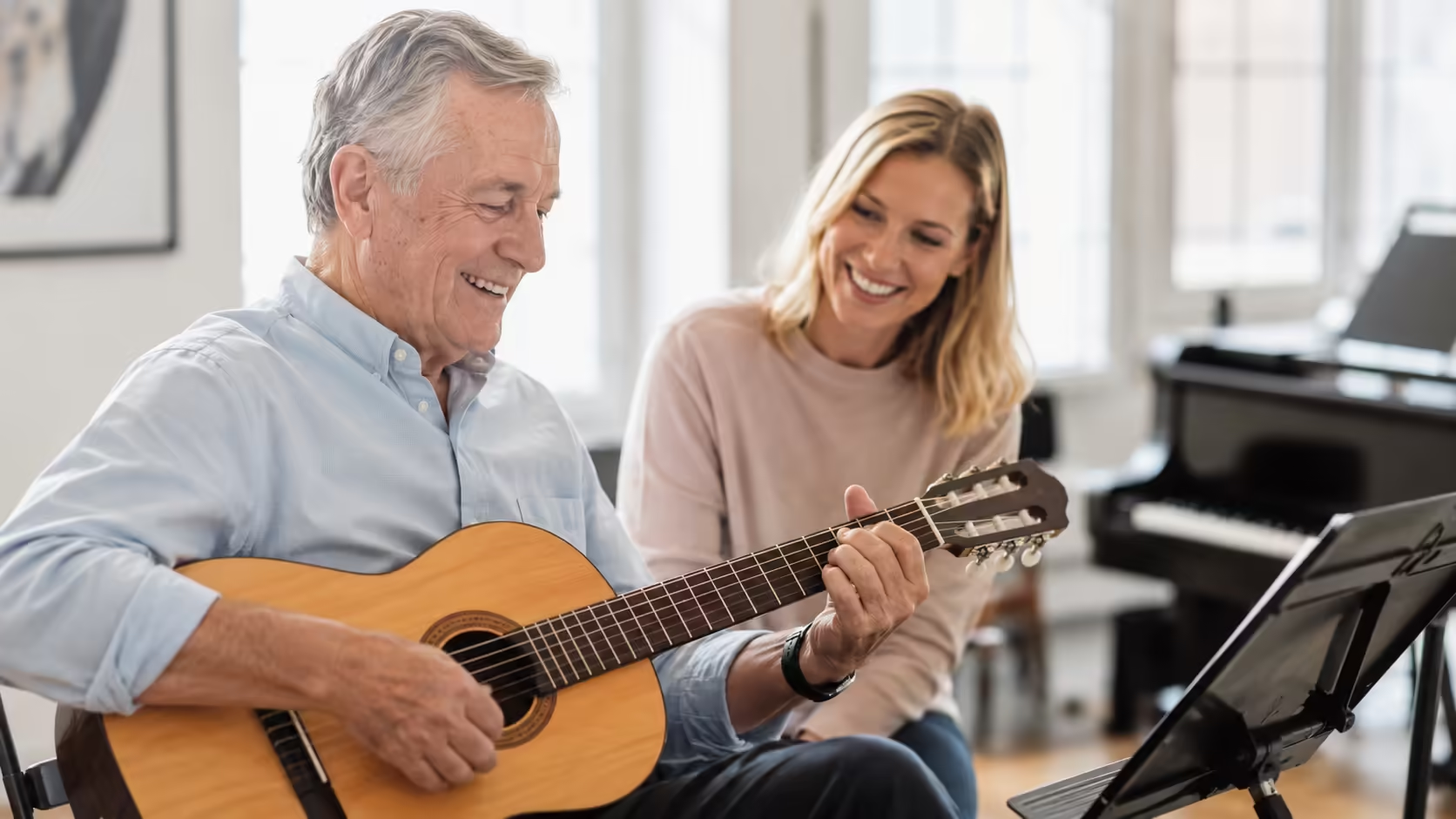
Practice Load Chart
| Week | Focus |
|---|---|
| Week 1 | Learn setup and first sounds |
| Week 2 | Add short daily practice |
| Week 3 | Repeat basics and small wins |
| Week 4 | Play a simple full piece or song section |
This chart is simple on purpose. The goal is consistency, not speed.
Is It Better to Learn a New Instrument or Return to an Old One?
Both paths can work.
| Return to an Old Instrument If… | Start a New Instrument If… |
|---|---|
| You played years ago and miss it | Your old one no longer fits your body or taste |
| You want a familiar sound | You want a clean slate |
| You like the idea of “coming back” | You always wished you had chosen something else |
The better option is usually the one that makes you want to begin this month.
Music Lessons for Seniors and Brain Health
Learning and listening to music can help older adults stay mentally active. It may improve memory, focus, thinking skills, and problem-solving. This does not mean music is a magic cure. It does mean music is one of the richer activities you can do because it blends hearing, movement, timing, memory, and emotion into one practice.
Music Lessons for Seniors and Social Life
Music can bring people together in ways that feel easy and natural. You do not need to be extroverted. You do not need to perform on stage. Sometimes connection is as simple as chatting with a teacher each week, joining a beginner group, singing in a community choir, sharing a song with family, taking lessons with a friend, or playing with a grandchild.
Music Lessons for Seniors Can Start Right Now
Music Lessons for Seniors: Why Retirement Is the Perfect Time to Start is more than an inspiring phrase. It reflects a real opening many people have later in life. Retirement can give you time, room, and a fresh reason to learn.
Research links later-life instrument learning with improved attention, thinking skills, and mental health. Music programs highlight brain exercise, dexterity, coordination, and connection. Memory, mood, and belonging all improve. Music gives retirees a way to reduce stress, fight boredom, and meet people.
If you are retired and curious, you do not need perfect timing, rare talent, or childhood training. You need one small start. Pick an instrument. Book one lesson. Practice for ten minutes. Let music become part of this chapter of life.
Ready to begin? Book your free trial lesson with K&M Music Company and discover the joy of learning music in retirement.
Frequently Asked Questions
Are music lessons for seniors worth it?
Yes. They can support joy, routine, learning, focus, and connection. They also give many retirees a sense of forward motion.
Is 60, 70, or 80 too old to start music lessons?
No. Older adults can learn and benefit from music at any age.
What is the easiest instrument for seniors to learn?
There is no single answer. Piano, voice, ukulele, and percussion are often strong starting points because they can offer fast wins.
How often should seniors practice?
Short, steady practice works well. Ten to twenty minutes, several times a week, is a strong start.
Can online music lessons work for seniors?
Yes. They can work especially well for seniors who prefer home learning or have travel limits.
What if I have never read music before?
That is common. Many senior beginners start without reading music and still enjoy the process.
Is it better to learn a new instrument or return to an old one?
Both paths work. Return to an old instrument if you miss it. Start fresh if you want a clean slate. The better option is the one that makes you want to begin this month.