
Last Updated: May 6, 2026 | By K&M Music Company | San Diego, California
Acoustic vs digital piano for beginners in 2026: compare sound, touch, price, upkeep, and value before buying. Your piano buying questions answered.

If you are trying to choose your first piano today, this guide is for you. Acoustic vs digital piano for beginners is one of the biggest first-buy questions in the piano market in 2026. Many people ask: Is a digital piano or acoustic piano better for beginners? Which one feels better? Which one delivers the best sound? Which one is easier to live with every day?
The short answer is simple. A good digital piano is the better first choice for many beginners. Still, an acoustic piano can be the better fit if you have the space, budget, and a clear long-term plan. Whether you are just starting your musical journey or returning to the instrument after years away, this guide walks you through every major point so you can choose with confidence. (If you are also wondering when to start, read our guide on whether you are too old to learn piano.)
Key takeaways:
- Digital pianos are often the best beginner value. They cost less, take less space, and allow quiet practice with headphones.
- Acoustic pianos are better for natural sound, real piano feel, and long-term classical study. However, they cost more and need more space.
- The best beginner piano is the one that fits your home, budget, and practice routine — choosing the wrong piano is worse than choosing either type thoughtfully.
What You’ll Learn in This Guide

Acoustic vs Digital Piano for Beginners: Quick Answer
| Choose This | If You Want |
|---|---|
| Digital piano | Lower cost, less upkeep, quiet options, better fit for modern homes |
| Acoustic piano | Most natural touch, acoustic excellence, timeless resonance, long-term instrument value |
For most beginners in 2026, a good digital piano is the better first buy.
Acoustic pianos have richer sound and more expression. However, modern digital pianos now feel close to real pianos — they offer volume control, recording, playback, and no tuning. Digital pianos can also sound and feel great, especially models with advanced designs and quality speakers.
A good digital piano can still help beginners build strong technique. Many digitals now have weighted keys and graded hammer action. Because of this, they can feel realistic enough for practice and early learning. Many pianists — including modern pianists and serious musicians — use both acoustic and digital instruments in their daily work. (Read our digital piano buyer’s guide for San Diego to compare top brands.)
What Is the Difference Between an Acoustic Piano and a Digital Piano?
The main difference is how each instrument makes sound — the sound production method.
An acoustic piano uses real hammers, real strings, and a wooden soundboard inside. When you press a key, a hammer hits strings. The whole instrument vibrates. That creates the full, natural piano sound — with natural resonance and resonant tone that people know and love. This is what gives acoustic instruments their timeless quality.
A digital piano uses sensors under the keys. These sensors trigger realistic sound samples played through speakers or headphones. Today, many digitals can produce high-quality sound that gets very close to acoustic pianos.
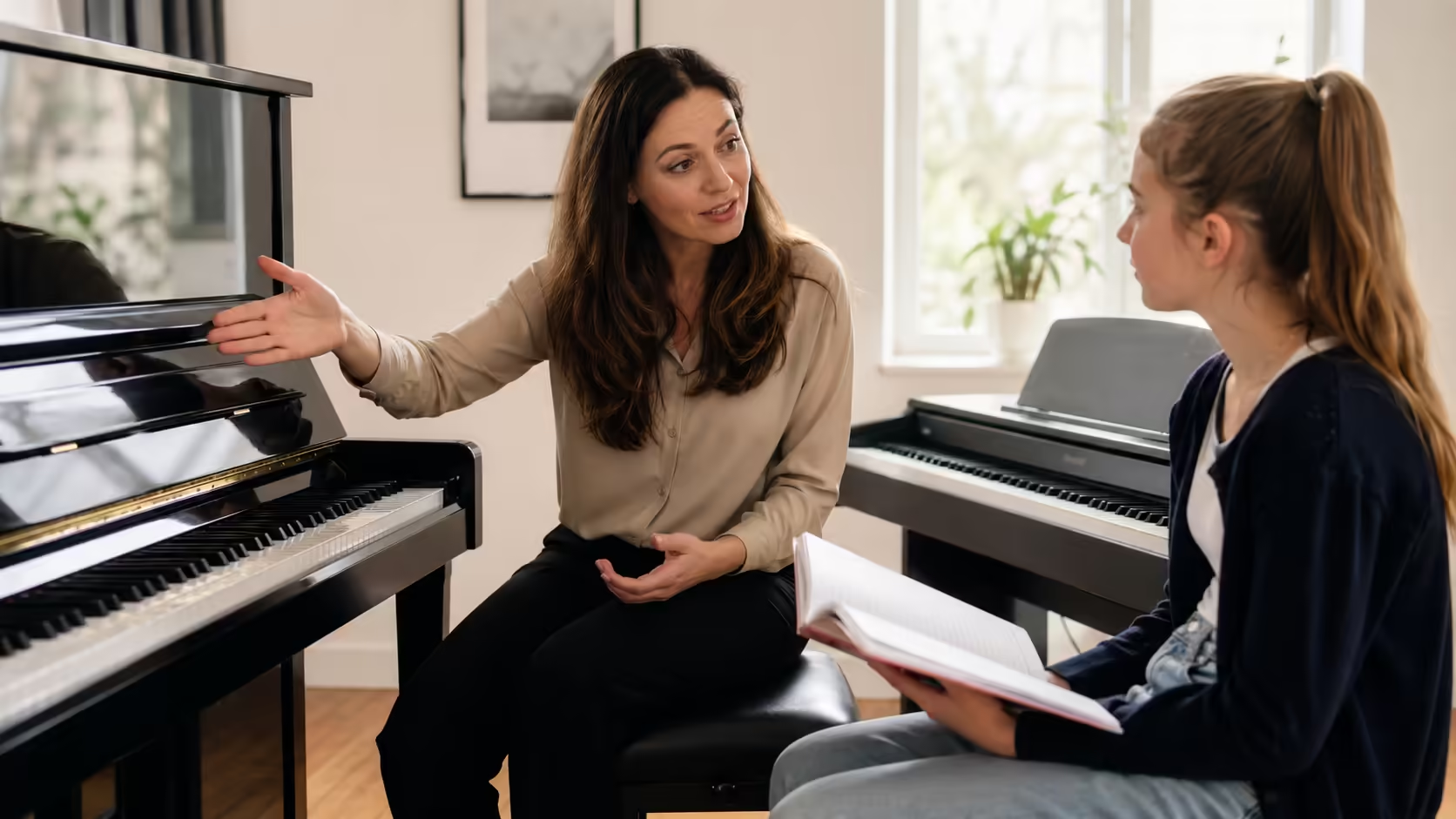
That one difference in sound production affects almost everything: sound, touch, cost, maintenance, size, volume, portability, and learning tools.
Sound Quality: Does an Acoustic Piano Sound Better Than a Digital Piano?
In pure sound terms, yes, an acoustic piano usually sounds better. The acoustic sound is a full-body experience — strings vibrate, the wooden soundboard responds, and natural resonance fills the room. The overall tone changes naturally based on how softly or strongly you play. This creates a rich, resonant tone with wide expressive range, tone control, and subtle changes in timbre.
A digital piano can get close, though. Modern models use high-quality sound samples from concert grands, multiple velocity layers, better speaker systems, and modeling for resonance and pedal response. Digital sound engines in 2026 produce realistic sound samples that many beginners would have trouble distinguishing from their own acoustic tones in a blind test.
Will a Beginner Notice the Difference?
Sometimes yes. Sometimes no. A beginner often cares more about access and comfort than fine tonal detail. Over time, sound quality starts to matter more — especially for students pursuing classical music and deeper musicianship.
Sound Takeaway: Richest natural tone? → Acoustic. Very good sound with more convenience? → Digital. For many new learners, the practice gap matters more than the sound gap.
Key Feel and Touch: Which Piano Builds Better Technique?
This is one of the most important parts of the whole debate. A piano is about touch as much as sound.

An acoustic piano still sets the standard. The acoustic piano responds to every nuance of finger pressure. It uses a real action system with many moving parts that give an intuitive, real piano feel. Many pianists say nothing matches the acoustic feel of a well-maintained instrument.
A good digital piano can still help beginners build strong technique. Look for: 88 full-size keys, weighted action, graded hammer action, touch sensitivity, pedal support, and solid build quality. If a digital piano does not have those basics, it can hold you back.
A light keyboard with springy keys is fine for casual fun but not for building serious instrument skills. (Working with a teacher is also one of the best ways to develop strong technique — explore our piano lessons for structured guidance.)
Simple Technique Rule: Good digital with solid action → Can take you very far. Well-kept acoustic → Usually feels better. Weak keyboard with light keys → Wait and save for better.
Price and Value: Which Piano Is Better for a Beginner Budget in 2026?
For most beginners, this section decides the answer.
| Budget Range | Best Choice | Notes |
|---|---|---|
| Under $700 | Digital piano | Best beginner value — 88 weighted keys at lower cost |
| $700–$1,500 | Digital piano | Better sound, better action, premium instruments available |
| $1,500–$3,000 | Digital or used acoustic | Depends on goals and home — acoustic later becomes viable |
| Over $3,000 | Digital, acoustic, or hybrid | Full range of options — hybrid pianos combine both worlds |
Upfront Costs vs. Ongoing Costs
Acoustic piano costs: Purchase price, delivery, tuning (pianos require tuning 1–2x per year), repairs, regulation, humidity care, moving fees, and ongoing maintenance over the instrument’s lifespan.
Digital piano costs: Purchase price, stand or furniture stand, bench, headphones, upgraded pedal, warranty. No tuning needed — ever.
What About Hybrid Pianos?
Hybrid pianos combine a real acoustic action with digital sound engines. Yamaha Silent piano models, for example, let you play with full acoustic feel but switch to silent mode for headphone practice. Hybrid pianos bridge the gap between both worlds and appeal to many pianists who want the best of acoustic and digital. They sit in the $3,000+ range typically.
What About a Cheap Used Acoustic Piano?
Be careful. A used acoustic piano can look like a bargain. However, it may need repair, tuning, or serious work. If pianos sit unused for years, they can go out of tune badly — and fixing that costs more than many beginners expect. A piano technician should inspect any used acoustic before purchase. A cheap used piano can become the wrong piano fast.
Value Takeaway: Digital wins for beginner value. Acoustic wins as a lifetime instrument if budget allows.
Maintenance and Upkeep: Which Piano Is Easier to Own?
A digital piano is much easier to own.
Acoustic pianos require tuning regularly — at minimum twice a year for active use. They react to room temperature and humidity. Over time, parts wear down. The traditional craftsmanship inside is beautiful but demands care. Acoustic practice hours are only as productive as the instrument’s condition allows.
A digital piano usually needs light cleaning, safe placement, and power protection. That is it. No tuning, no humidity concerns.
Why this matters: Beginners do best when the instrument feels easy to use. If you sit down and it works every day, practice is more likely. For many families, the easy answer is the better answer.
Space, Noise, and Daily Life: Which Piano Fits Your Home Better?
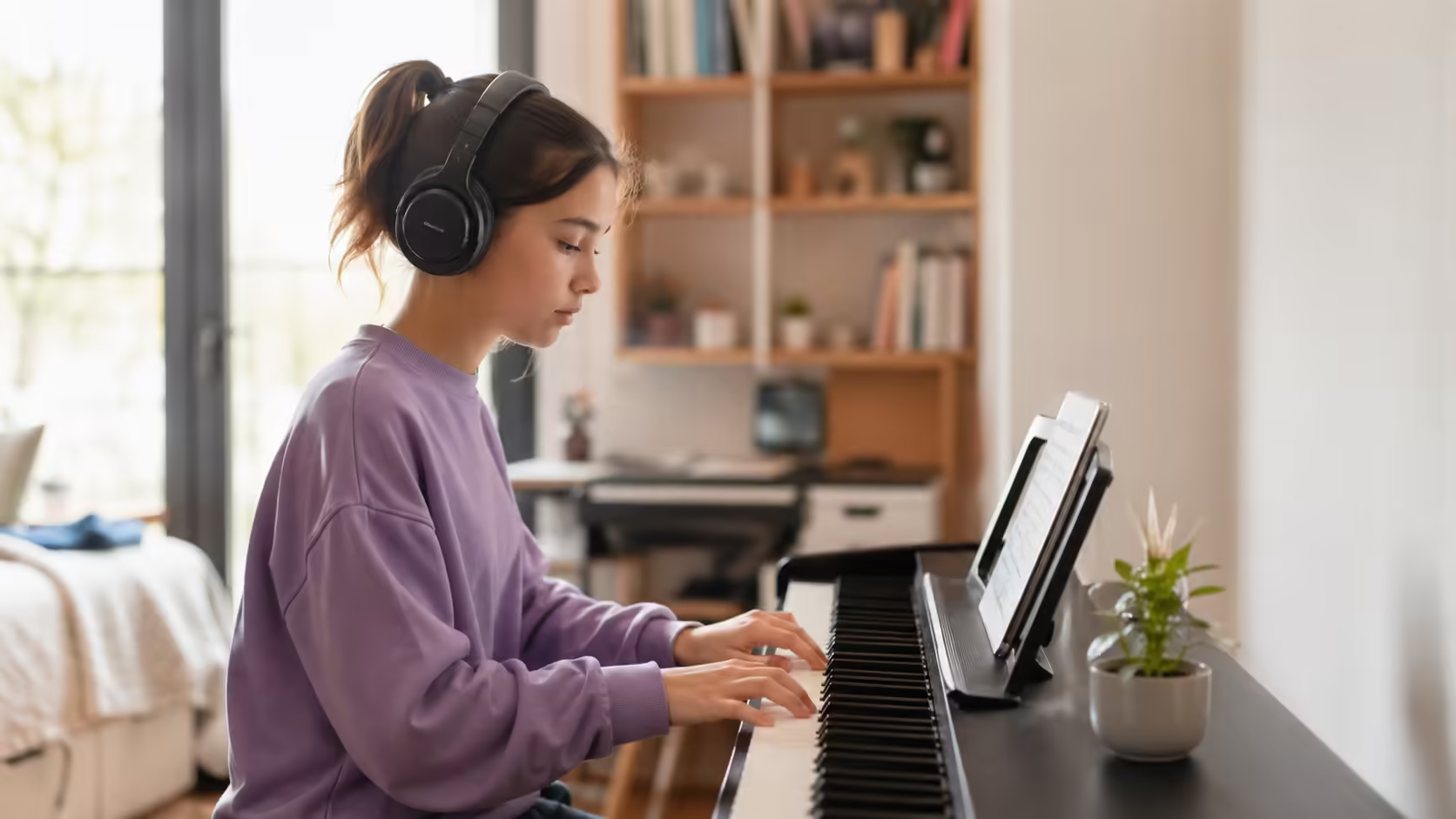
This is where digital pianos often pull far ahead. A digital piano fits real life more easily — it is smaller, lighter, and often has quiet options including a headphone jack and volume control. Silent mode through headphones makes late-night practice possible — a major benefit for adults, parents, and students in shared housing.
Acoustic pianos need more space. Many acoustics are heavy. Volume concerns are real — acoustic pianos are loud, and you cannot turn them down. There are no volume concerns with digital — just adjust the dial or plug in headphones.
| Living Situation | Best Choice |
|---|---|
| Apartment or condo | Digital piano |
| Shared bedroom | Digital piano |
| Frequent moves | Digital piano |
| House with music room | Either — acoustic is a strong option |
| Quiet suburban home | Either can work |
| Performance venues | Acoustic usually preferred |
Learning Features: Do Digital Pianos Help Beginners Learn Faster?

A digital piano can make learning easier at first. Common tools include: built-in metronome, recording function, USB or MIDI connection, lesson apps, split mode, different sounds, and Bluetooth on some models.
Digital technologies continue improving. Compatibility with learning apps means beginners can follow structured lessons, watch piano videos alongside their practice, and track progress in digital format. Many digitals now have Bluetooth, quality speakers, and features that support the current stage of a beginner’s development.
Acoustic Piano Learning Advantage
Acoustic pianos teach you to listen and control touch in a very direct way. Fewer extra features keep the focus on sound, tone control, and phrasing. Some learners prefer this — it builds deeper musicianship.
Which Piano Is Better for Kids, Teens, and Adult Beginners?
| Beginner Type | Best Choice | Why |
|---|---|---|
| Young children | Digital piano | Lower cost, quiet, basic skills — ideal for the current stage |
| Casual teen learners | Digital piano | Easy setup, fun features |
| Teen classical students | Acoustic if possible | Better touch, expression — builds toward musical goals |
| Adult beginners (apartment) | Digital piano | Quiet, compact, practical |
| Adults with space + budget | Acoustic or high-end digital | Depends on musical goal and long-term plan |
Pianos appeal to every age group. For many families with busy schedules and adult music lessons, digital is the easier path. For serious musicians with clear musical goals, acoustic is the ideal long-term instrument.
Which Piano Is Better for Classical, Pop, Worship, and Casual Playing?
| Style | Better Choice | Why |
|---|---|---|
| Classical music | Acoustic piano | Acoustic excellence in dynamics, voicing, pedaling — timeless performance standard |
| Pop and contemporary | Digital piano | Recording, multiple sounds, rhythm features, playback |
| Worship and church | Either | Digital for home; either for performance settings |
| Casual home playing | Digital piano | More convenient — you’ll use it more |
For classical music, the acoustic piano remains the musical benchmark. For everything else, digital offers more flexibility. Many musicians who play multiple genres keep both — or choose hybrid pianos for the best of both worlds.
What to Look for in a Beginner Digital Piano in 2026
Must-Have Features
- 88 keys, full-size
- Weighted action with touch sensitivity
- Pedal support
- Decent onboard sound — high-quality samples
- Consistent tone across all registers
Helpful Extra Features
- Headphone jack for silent practice
- USB or MIDI for app compatibility
- Bluetooth audio or MIDI
- Built-in metronome
- Recording and playback
- Furniture stand with compact design
- Three-pedal unit
Red Flags
- 61 keys only
- Light synth-style action — not suitable for real piano study
- Toy-like speakers
- Weak pedal feel
Best Simple Buying Rule: Spend your money on key feel first. Fancy sounds matter less than solid action. Touch is king.
What to Look for in a Beginner Acoustic Piano
Most beginners should look at an upright piano — acoustic models that take less space and cost less than a grand piano. Look for established brands that value craftsmanship.
New vs. Used: A new acoustic piano is easier and safer. A used piano can be a good buy — but only if it has been cared for well.
Questions to Ask Before Buying Used
- Has it been tuned regularly?
- Do any keys stick?
- Do the pedals work?
- Does the action feel even across all keys?
- Has a technician checked it?
- Is the wooden soundboard intact? Any cracks?
A poorly maintained acoustic piano can hurt learning. Keys feel uneven. Tuning is off. That frustrates beginners fast.
Acoustic vs Digital Piano for Beginners: Best Choice by Situation
| Situation | Choose |
|---|---|
| Need headphones / quiet options | Digital |
| Tight budget | Digital |
| Want most natural sound and acoustic feel | Acoustic |
| Want easy setup, app support, digital flexibility | Digital |
| Apartment with volume concerns | Digital |
| Dedicated music room, no noise limits | Acoustic or either |
| Want a lifetime instrument with timeless resonance | Acoustic |
| Unsure about commitment | Digital |
| Want acoustic later but starting now | Digital first, acoustic later |
Decision Flow Chart
Most beginners answer “yes” to at least one digital-friendly question. The ideal choice is always the one that gets played most often.
Final Verdict: Acoustic vs Digital Piano for Beginners in 2026
For most beginners, the answer is digital piano.
A good digital piano removes many barriers. It costs less. It needs less care. It fits smaller homes. It allows quiet practice in silent mode. It includes tools that help beginners stay consistent. Many digitals now rival acoustic models in feel and sound — the advanced designs of 2026 are remarkable.
An acoustic piano can still be the better choice — but it works best if you have the budget, space, and a long-term study plan. This is especially true for classical music, where acoustic excellence, natural resonance, and the timeless quality of real craftsmanship matter most.
| Best For | Choice |
|---|---|
| Most beginners in 2026 | Digital piano |
| Natural sound + touch | Acoustic piano |
| Budget, space, quiet practice | Digital piano |
| Long-term traditional piano feel | Acoustic piano |
| Both worlds | Hybrid pianos |
Simple Closing Advice: If this is your first piano, do not chase the perfect piano. Chase consistency. The right piano is the one that makes you want to play again tomorrow.
Already chose your piano? The next step is finding the right teacher. Book your free trial lesson with K&M Music Company and start your piano journey with confidence.
Frequently Asked Questions
Is a digital piano good enough for beginners?
Yes. A good digital piano with 88 weighted keys and solid touch delivers everything a beginner needs. Many digitals produce consistent tone and realistic sound that supports strong learning.
Is an acoustic piano better for learning?
It can be better for touch and natural tone — the acoustic piano responds more organically. Still, that does not mean it is the better first buy for every learner. The best piano is the one you can practice on often.
Can I switch from digital to acoustic later?
Yes. Many players do exactly that — starting digital, then moving to acoustic later when budget and space allow. This is one of the most common beginner paths.
Is a keyboard the same as a digital piano?
No. A beginner keyboard often has fewer keys and lighter action. A digital piano is a serious instrument — closer to a real acoustic instrument in feel and design.
Should my child start on digital or acoustic?
For many families, digital is the easier start. Lower cost, quieter, simpler to manage.
Do digital pianos need tuning?
No. That is one of their biggest advantages — zero tuning or pitch maintenance ever.
How much should a beginner spend on a piano?
Enough to get 88 weighted keys and good touch. Quality beginner instruments start around $500 to $700. Buying too cheap leads to frustration.
Can I learn using headphones most of the time?
Yes. Many beginners do. Still, practice through speakers sometimes so you hear the room — acoustic sound in a real space teaches you about projection and tone quality.
What matters more for beginners: sound or key feel?
Key feel usually matters more. You touch the keys every time you practice. Good action supports better habits and builds technique for both digital and acoustic instruments.